




When the year began, Sony announced cancellations for multiple live-service projects, including those from Bluepoint Games and Bend Studio. Which is when everyone learned that Bluepoint, renowned for Demon’s Souls remake, had wasted its last several years. On the WB Games side, servers for Suicide Squad: Kill the Justice League and MultiVersus had shut down with little attention and pity.
Electronic Arts would also announce that it’s shutting down servers for Anthem, which is the first reminder in a while that it still exists. Microsoft’s Halo Infinite recently entered maintenance mode – a far cry from plans to become the initially promised “start of the next ten years of Halo.” Of course, even newer titles weren’t safe. Remedy’s FBC: Firebreak debuted disappointingly, resulting in heavy losses and the studio’s CEO stepping down.
Even on a smaller scale, games like Wildgate and Jump Space, despite launching with some positive buzz, have since fallen by the wayside in player counts. Granted, games like ARC Raiders and Battlefield 6 remain standouts; the former offered an excellent extraction shooter experience in a pretty barren market. Meanwhile, the latter marked the first mainline Battlefield title in years that fans actually enjoyed, despite its many warts (including a single-player campaign).
Titles like PEAK and R.E.P.O. went on to become massive co-op successes. There’s also Split Fiction, which showcased Hazelight’s talent in once again delivering a compelling co-op story with fun gameplay.
However, the past year, perhaps more than others, has reinforced the importance of single-player games.
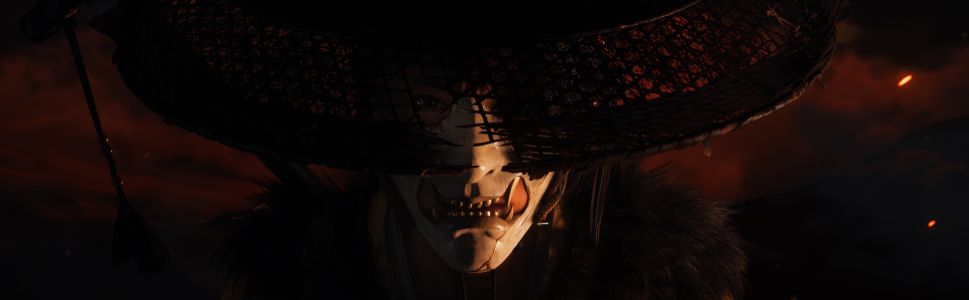
Despite selling PS5 consoles by the tens of millions, Sony outright promised a major triple-A single-player title each year because – surprise – it’s a major selling point for the console. Thankfully, it delivered with not one but two incredible titles: Kojima Productions’ Death Stranding 2 and Sucker Punch’s Ghost of Yōtei. Both games were building off already established titans, and yet, they managed to exceed expectations.
Death Stranding 2 confirmed that Hideo Kojima’s signature brand of quirkiness/madness when it comes to storytelling was still intact. However, it also improved on so many other fundamental aspects from the original, including the world design, gunplay, stealth, and pacing. Meanwhile, Ghost of Yōtei, while retaining the same combat fundamentals, spiced it up with new additions like multiple weapon types, disarming, and throwing weapons. Its open world also received excessive praise, as activities were naturally laid out and seamlessly connected in ways that made it feel alive.
Then again, it wasn’t just Sony that realized it had to return to what brought it to the dance. Konami released not one but two well-received and successful titles in its long-running franchises – Metal Gear Solid Delta: Snake Eater and Silent Hill f. It also reaffirmed its commitment to the long-term future of both series, whether it’s the desire to remake more Metal Gear Solid games or its announcement of a Silent Hill 1 remake from Bloober Team.
Of course, some of the other highly rated games of the year have been single-player titles. Clair Obscur took the industry by storm, and even if there are arguments about how “indie” it really is, it’s received universal praise for its combat, storytelling and world. The fact that it received the most nominations in The Game Awards history and won more than its fair share is just the cherry on top.
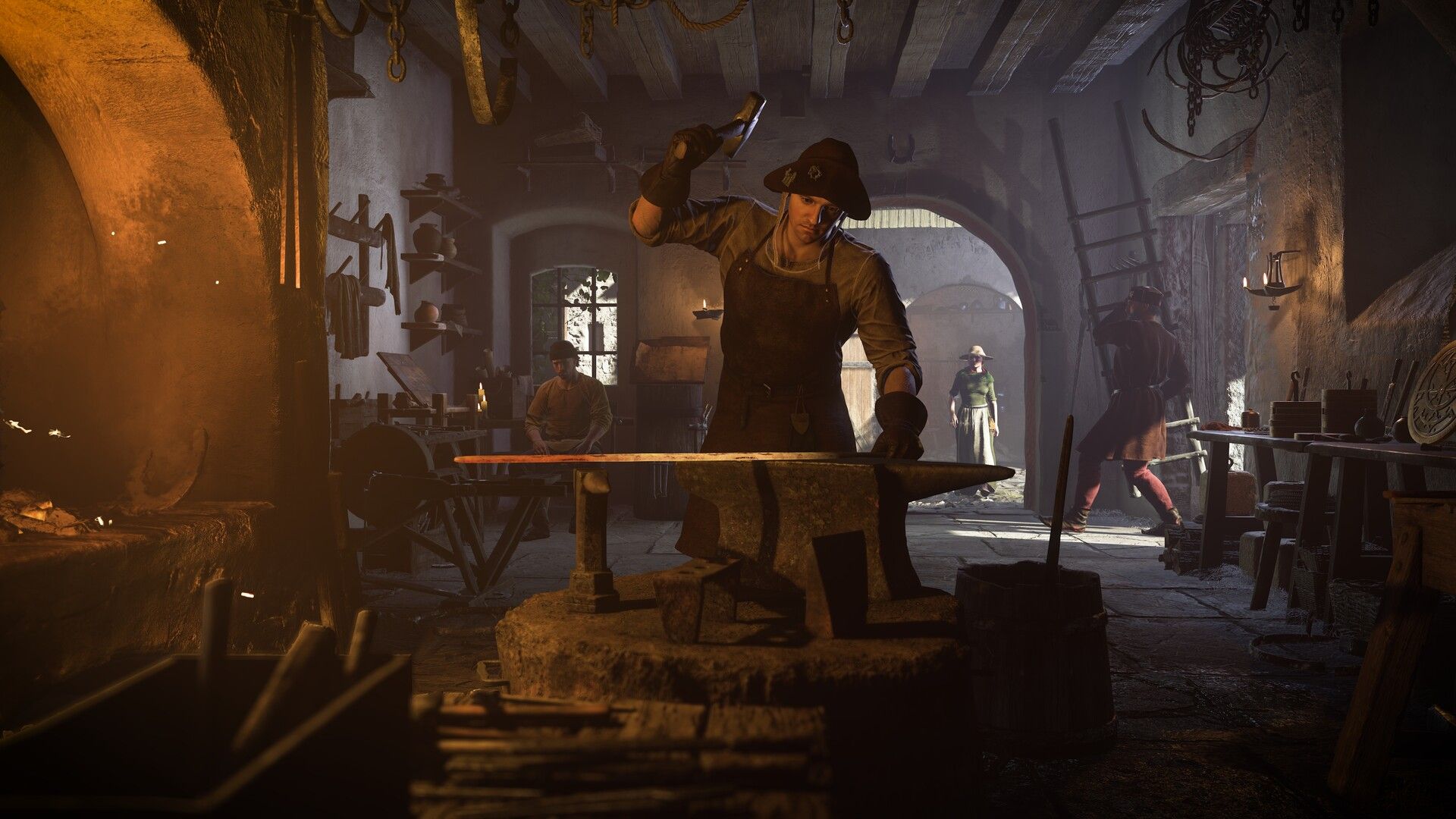
However, it’s not alone when it comes to other nominees, which are also predominantly single-player, like Kingdom Come: Deliverance 2, which is packed with memorable quests, personable characters, and tons of ways to role-play your version of Henry. It’s still unbelievable how the development team effectively beat Bethesda at its own game in terms of attention to detail, reactivity and fidelity with fewer resources. Of course, for those who wanted something more light-hearted, there’s Donkey Kong Bananza, a magical 3D platforming experience from the Super Mario Odyssey team, which mixes the traditional collect-a-thon gameplay loop with the absolute freedom to destroy everything.
And the crazy thing is that these don’t even represent a fraction of the best single-player games this year. You have indie efforts like Blue Prince, which is unlike anything seen before – a rogue-like puzzler where you arrange the layout of a house from a selection of rooms to reach the mythical 46th room. Team Cherry’s Hollow Knight: Silksong arrived more than six years after its initial announcement and blew away expectations. It was so highly anticipated that almost every digital storefront crashed as soon as it was available to purchase.
That’s not even accounting for the likes of Hades 2, Sektori, Keep Driving, Marvel Cosmic Invasion, Pipistrello and the Cursed Yoyo, StarVaders, Shinobi: Art of Vengeance, Ninja Gaiden: Ragebound, Citizen Sleeper 2: Starward Vector, Sword of the Sea, Ender Magnolia, Trails in the Sky 1st Chapter, Absolum, the Drifter, Ball x Pit, Bionic Bay, Look Outside – the list goes on. Even if you sat down and only tried to play through all the incredible titles released this year, you would have more than enough to sustain you through 2026.
However, that won’t be necessary. In a twist that no one saw coming, the most anticipated games of next year are – you guessed it – single-player titles. Grand Theft Auto 6 is leading the charge, and that’s all because of its story mode, since we know nothing about how it will handle GTA Online. Resident Evil Requiem crossed one million wishlists just weeks after its announcement, and looks poised to be the biggest game in the franchise by far. Marvel’s Wolverine is, well, a Wolverine title in every sense of the word. Based on Insomniac’s success with Spider-Man and immaculate track record, you can bet it’s going to be another huge success. You also can’t forget Saros, Housemarque’s follow-up to Returnal, which looks to expand upon it in all the right ways while maintaining its creepy environmental and enemy designs.
Heck, even Microsoft’s single-player offerings in 2026 look good with Fable, Gears of War: E-Day, and Forza Horizon 6 to look forward to. We’ll wait and see how Halo: Campaign Evolved fares, but if nothing else, it looks very good.
Compare this to future live-service multiplayer offerings like, say, Fairgame$, which has no buzz or intrigue. Heck, rumors claim that it may even be cancelled before launch. Sony hasn’t outright backed out of such titles, but it’s definitely much more careful after sustaining heavy losses.
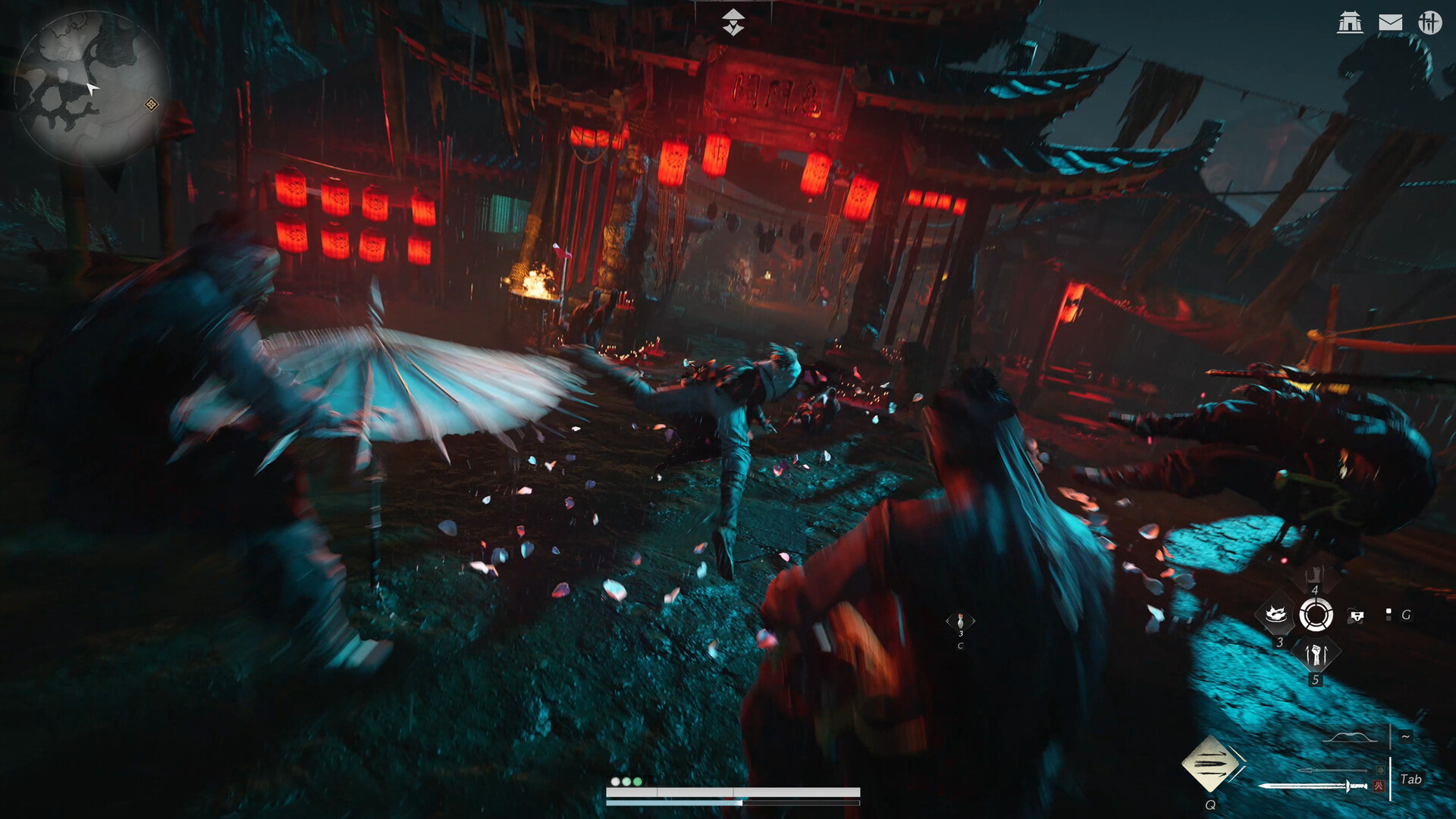
It’s not like the business model has no future whatsoever. Where Winds Meet is technically a live-service game, but it offers a massive single-player component that’s only going to get bigger. Ananta has generated buzz for essentially being “Anime GTA”.
However, while publishers still seek to delve into the live-service space for that sweet recurring revenue from microtransactions, it’s single-player games that continue to drive the industry forward in terms of storytelling, immersion and gameplay. And customers are responding in kind – a recent survey by Ampere Analysis revealed that the majority of players in Japan, the UK and the United States preferred single-player games over multiplayer (though younger players skewed more towards the latter).
Personally, I could be the least bothered to remember anything noteworthy that happened in Destiny 2 this year, but meeting Monoco and traveling to confront the Paintress at her Monolith? Trekking across the mountains of Mexico and taking in the sights? Whatever the heck was going on with Hinako in the OtherWorld? All these moments will probably stay with me forever, and deservedly so.
Note: The views expressed in this article are those of the author and do not necessarily represent the views of, and should not be attributed to, GamingBolt as an organization.