






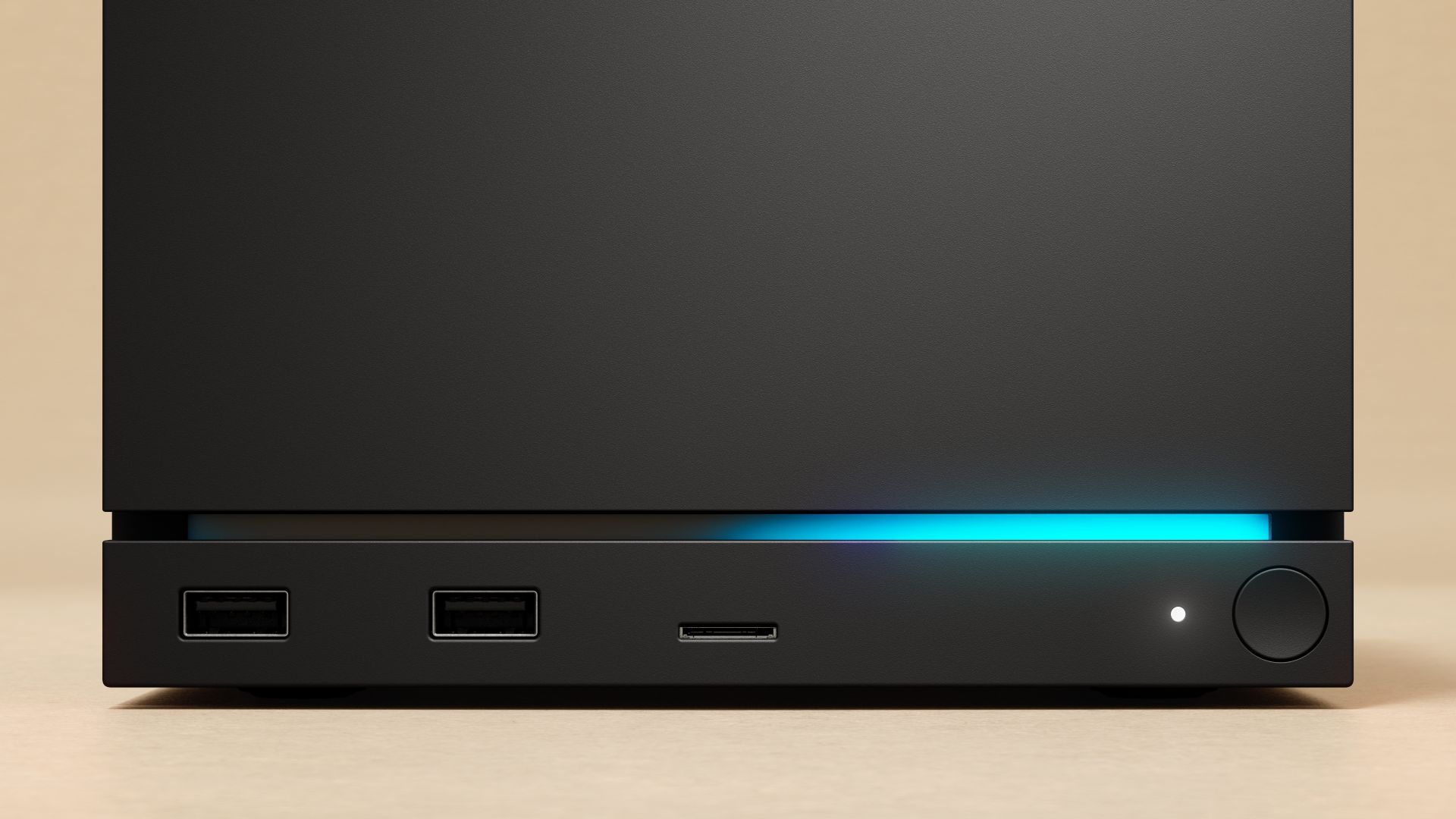
Valve recently confirmed that the lowest-end configuration of the Steam Machine, which comes with 512 GB of SSD storage and doesn’t include a Steam Controller, is priced at $1,049. This price has seen plenty of criticism in the hours since the announcement, and in a new statement to The Verge, Valve has revealed why it couldn’t sell the Steam Machine at a lower price. It generally comes down to the fact that, since the Steam Machine is just a Linux-based PC, Valve can’t subsidize the system’s price with the hopes of making the money back through subscription services or game sales.
The open nature of the Steam Machine means that it would be easy for someone to buy it and then just never use it to purchase or play any games on Steam. Valve wanted to ensure that the system could be used for just about any computing task that a user might want. “If there’s anything we’re religious about at Valve, it’s our belief that open systems are better in the long run, for ourselves and customers,” said the company.
“The openness of the PC ecosystem in particular has enabled it to be the primary driver of hardware and software innovation, because anyone with an idea for a way to do something better was able to take a shot at it. When companies sell their hardware under cost for competitive advantage, or buy exclusive content for it, they’re doing that to build a more closed system, one where you don’t get to choose what software you want to use.”
“We don’t want that for PC hardware, and we don’t think you should want it either. You shouldn’t feel like you have to buy Valve hardware; you should be able to view it as just one option alongside all the devices for playing games, and select the one that makes sense for you. This means you get to decide which device fits your personal tradeoffs around things like price, performance, form factor, peripheral support, and everything else you care about. That’s the strength of the open PC platform, and subsidizing hardware runs counter to it.”
This runs in stark contrast with how the console industry used to be run, with console makers often selling their hardware platforms at a loss and then making revenue in the long term thanks to the sales of games and services like Xbox Live Gold or PlayStation Plus. Interestingly, even on the console side of things, this practice has largely been left behind, and both Sony and Microsoft have been able to sell their consoles at a profit since at least the launch of the PS4 and Xbox One. Both companies also have the advantage of the economy of scale, which means that the large number of consoles they manufacture and release means that they can often source components for cheaper, since they’re buying in bulk. Valve, on the other hand, doesn’t quite have that advantage, since its hardware business is still small by comparison.
The company reiterated this stance in its announcement post. It is also worth noting that the Steam Machine would have likely been quite a bit cheaper if it weren’t for the ongoing memory and storage shortages that have led to their prices skyrocketing. Even the PS5, Xbox Series X/S, and Nintendo Switch 2 haven’t been able to avoid price hikes due to this.