






Video games as a medium are no stranger to telling personal stories of individuals where characters have to reckon with their mysterious pasts while simultaneously having to also deal with their current precarious situations. However, what sets TomorrowHead Studio’s WILL: Follow the Light apart from other, similar types of games is the strength of its execution, as well as a willingness to experiment with some unique gameplay mechanics that we just don’t get to see in a genre often deridingly referred to as “walking simulators”.
WILL: Follow the Light kicks off its narrative at a slow, deliberate pace. You, in the shoes of the eponymous character, are tasked with simple maintenance tasks: enter weather data about an incoming storm into the database, double-check the power backups for the nearby lighthouse, and most importantly, brew yourself a cup of tea. It is during these quiet moments that we get to learn quite a bit about the character. While an early radio call reveals that he has a son, and isn’t on the best of terms with his own father, photos and letters strewn around his house let us know that he once had a wife that may have left due to Will’s obsession with working at the lighthouse, he has a pretty decent relationship with his son, and he likes to carve out wooden boats in his free time.
"After having run through his maintenance job, Will gets to sleep for the night."
While this knowledge doesn’t do anything to directly help you out with the main story or its various puzzles, hints of this background information do quite a bit to round off Will as a character, and even give us a glimpse into the relationship he had with his wife, and current friends with whom he works at the lighthouse. These early parts also act as a clear indicator of one of the biggest strengths of WILL: Follow the Light – its atmosphere. Thanks to the gorgeous visuals and sound design, there is a constant sense of dread in the air about the coming storm. The general isolation in which Will lives his life at the lighthouse is also on full display, since, aside from a few radio conversations, it takes over an hour before you meet anyone else.
After having run through his maintenance job, Will gets to sleep for the night. Rest, however, is short-lived, and he is quickly woken up thanks to a power failure and an SOS call on the radio. A boat is stuck in the waters, and desperately needs help to survive the storm. And to make matters worse, the lighthouse’s beacon isn’t visible anymore. This entire early journey sets up the core adventure that makes up the heart of WILL: Follow the Light. Interestingly, they also serve as a great tutorial, giving you a look at almost all major gameplay mechanics that you will experience throughout your time with the game, except, of course, for one.
Aside from walking around, reading notes, and talking to people, WILL: Follow the Light also happens to feature incredibly in-depth gameplay systems for two activities: sailing, and dog sledding. The fact that both of these systems were really important for TomorrowHead Studio feels quite evident with just how much love and care went into them. Sailing, introduced as one of the first things you get to do in the game, involves weathering stormy waters while managing your different sails, making sure to not have the wrong sail open, all just to survive the risk of capsizing due to giant waves. Dog sledding, on the other hand, shows up a bit later into the game, once its main story has been properly kicked off.
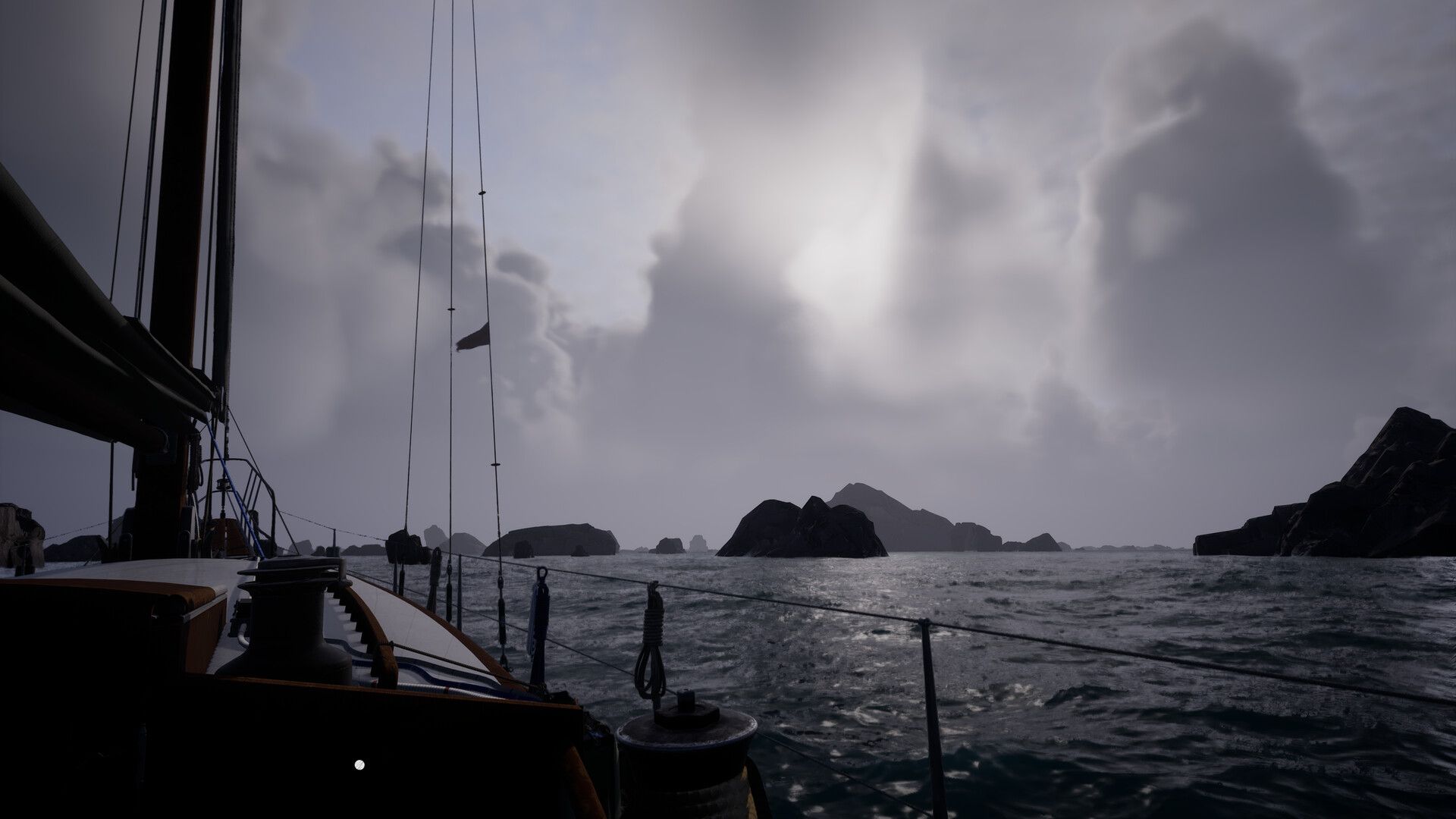
"Rest, however, is short-lived, and he is quickly woken up thanks to a power failure and an SOS call on the radio."
The dog sledding itself feels quite exhilarating, especially since you get to pick up speed quite quickly, and controlling it around the winding northern mountains can be a challenge that takes some getting used to. However, rather than feeling unresponsive due to shoddy game design, the sled instead feels a bit more realistic, and I could imagine that wrangling several dogs through a snow storm can’t be easy in real life.
There aren’t really any other major gameplay mechanics in WILL: Follow the Light. Much of your time with the game is going to be spent walking around a variety of environments to look for clues, solve puzzles, or on some rare occasions, interact with people. The puzzles don’t get particularly complicated either; most of them tend to just revolve around finding the right item to use on an object. Sometimes, we even get tile-based puzzles, like an early one where you have to guide a generator’s switch through all of its systems to enable backup power. It was clear that, for TomorrowHead Studio, the main focus was on telling a compelling story with interesting characters; gameplay was merely meant to be a delivery mechanism for the plot itself.
Just about every environment in WILL: Follow the Light is downright beautiful, from the stormy seas that kick off the game, to the view into the distance from the top of the lighthouse, and even the town and the ruins of Will’s home. Sure, there is plenty of fog all over the place that tends to hide some of the finer details of the environment. However, rather than feeling like an obvious rendering trick that might feel distracting, the fog enhanced the general atmosphere, making Will feel even more alone despite being in the middle of a populated town.
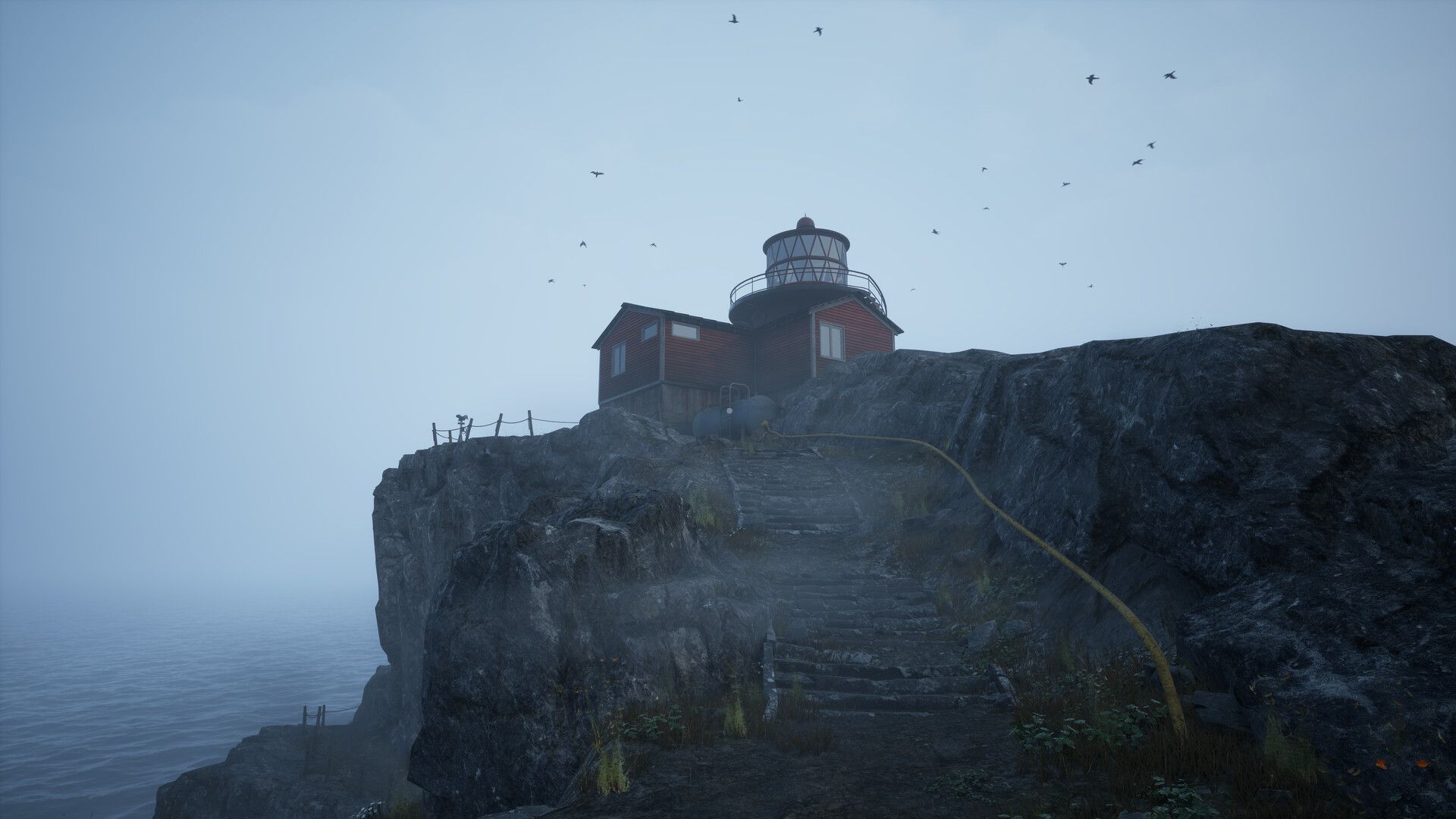
"Just about every environment in WILL: Follow the Light is downright beautiful"
All of this visual fidelity is helped by the fact that WILL: Follow the Light also seems to be optimized quite well. Playing it on a PC with an AMD Ryzen 7 7800X3D CPU, 32 GB of RAM, and a Radeon RX 7800 XT GPU at a resolution of 2560×1440, I was able to get stable framerates throughout my time with it. Sure, I couldn’t quite hit my typical targets of 100 FPS with maxed out graphics settings, but I was still able to get a solid 60 FPS most of the time, with the quieter moments even going as high as 80 FPS. Along with this, I never really faced any performance issues with the game either, be it microstutters, hitches, or even just general sluggishness from potentially-slow frame pacing.
Considering the emphasis on the quality of the narrative in WILL: Follow the Light, voice acting is a make-or-break aspect for the game, and thankfully, it manages to keep a generally high level of quality throughout. None of the characters you meet ever tend to feel out of place, and while there might be a few strange line deliveries here and there—often in an effort to enforce the camaraderie between Will and his colleagues—nothing ever felt grating enough to actively detract from the experience as a whole.
WILL: Follow the Light is able to accomplish a rare feat for a “walking simulator”: it is able to remain interesting throughout its entire runtime. Many other games in the genre often start falling apart after exploring one or two interesting ideas, but the central narrative here was enough to keep me going throughout my time with it. Paired with gorgeous visuals, strong voice acting, and even some fun gameplay mechanics thrown in to shake things up every now and then, WILL: Follow the Light is an easy game to recommend to those who prefer more meat on the bone when it comes to video game stories.
This game was reviewed on PC.
Compelling story with interesting characters; Gorgeous visuals; Interesting gameplay mechanics at times.
The slow deliberate start might feel dull; There isn’t much in terms of gameplay aside from the sailing and sledding sections.