






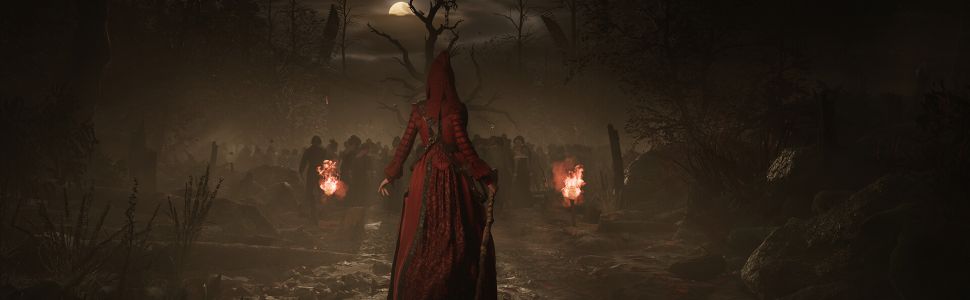
At first glance, 1666: Amsterdam comes off as a typical alternate history horror game that’s telling a relatively simple story about a vast conspiracy involving witches. Spending some time with it, however, reveals that it is quite a bit more ambitious with its storytelling than that. Along with witches, cats, and strange creatures, there are also other elements that indicate that developer Panache Digital Games has greater aims.
"The first hour of 1666: Amsterdam can be quite disorienting"
Unlike typical action-adventure games, 1666: Amsterdam has three interwoven timelines and perspectives, centred primarily on dual protagonists – the Collector Noa Brooklyn and Aaron. Along with Noa and her cat – a time-displaced art history teacher from 1999 – there’s Aaron’s daughter – Clio – who is essentially experiencing the entire game’s story through manuscripts left by her father that need magic to decipher.
The first hour of 1666: Amsterdam can be quite disorienting thanks to various characters discussing strange things in a matter-of-fact way without there being much in the way of an explanation for the player’s sake. Opening up in December 1665, with Noa slowly walking up to a magical tree surrounded by people and then choosing a cat that will serve as her companion for the rest of the game, the story quickly cuts to the present day. Clio has come to an old colleague of her father’s in the hopes of deciphering a letter seemingly left for her.
While it takes Clio a few leaps of logic to figure out how the letter can be read, she eventually gets there through a process that involves cutting her palm and bleeding on an old pendant her parents had left her. Through this, we’re able to see how, in December 1999, Aaron and Agnes are heading to a hotel in Amsterdam to celebrate the arrival of the new millennium. After spending some time in their room together, Aaron is quickly transported into the body of a black cat—the same one that Noa chose in 1665.
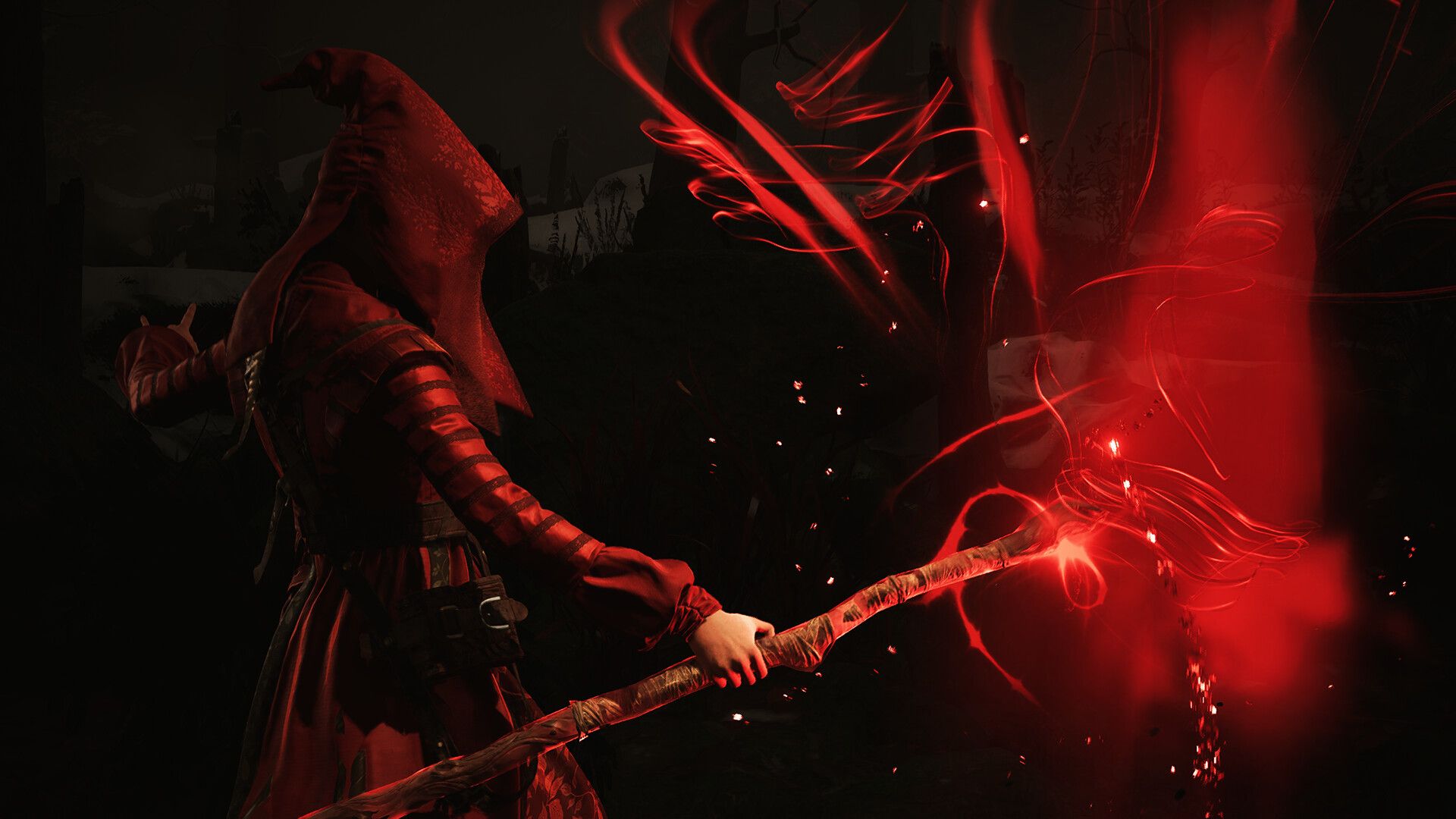
"The dichotomy between Aaron and Noa is also explored through the split in gameplay between day and night."
The two must now work together to accomplish their own distinct goals. Noa wants to identify and hunt down the Originals. At the same time, Aaron is simply trying to free Agnes from the spell affecting her. This story is often broken up with scenes of Clio coming to terms with her ancestry and the greater purpose her father has tasked her with, all while she also slowly learns to harness her own Collector-like abilities. Along the way, there’s also an aspect of Noa and Aaron coming across pages of a magical book named the Noxifer that seems to hold the secrets to many dangerous rituals. Deciphering these pages tends to be an aspect of Clio’s role in the narrative.
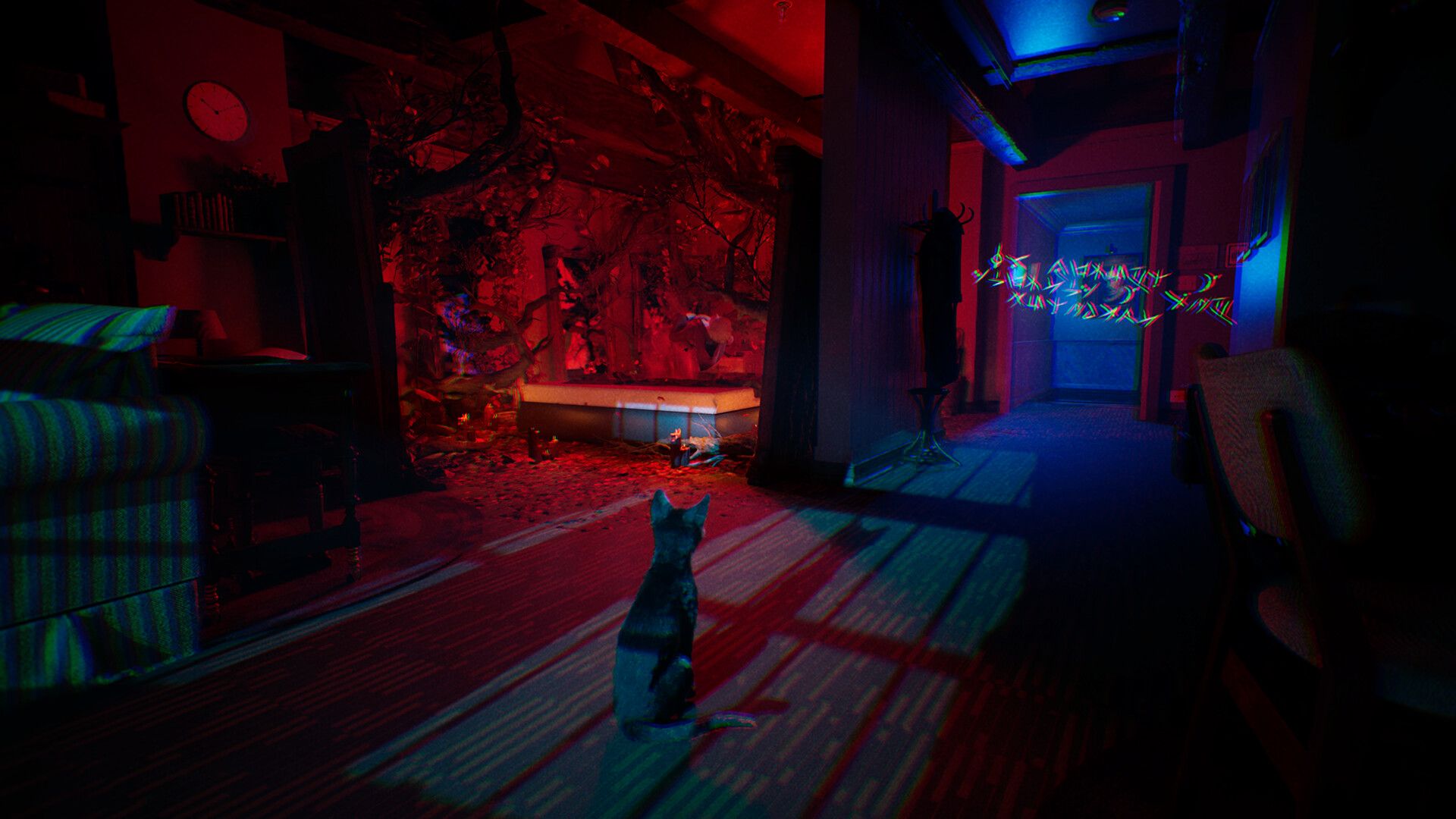
The dichotomy between Aaron and Noa is also explored through the split in gameplay between day and night. During the day, things are largely normal, and Noa and Aaron must together investigate various places throughout Amsterdam to figure out the clues for their next target. The night is more combat-oriented, with gameplay largely revolving around Noa’s prowess with her staff as well as a few magical spells at her disposal. While Aaron doesn’t tend to be too useful in times of direct conflict, the daytime focuses more on his cat form’s ability to climb into small spaces or jump up the side of buildings in order to open up doors and pathways for Noa.
While the parts of 1666: Amsterdam that revolve around exploration and conversations tend to be quite fun, the combat isn’t quite as enjoyable. Magic is quite unwieldy to use, since it requires you to find a target and hold down a button with precise timing. The fact that fights tend to be relatively fast-paced also doesn’t give you many chances to actually use the magic. As for melee combat, Noa’s moveset feels incredibly limiting, with a simple 3-hit combo serving as the majority of her arsenal.
Most of the combat encounters in 1666: Amsterdam revolve around Noa taking on hordes of typical soldiers armed with a variety of weapons, like pikes and clubs. Taking these enemies on is a simple affair, since their attacks are quite telegraphed and Noa is equipped with a quick-step-style dodge that can easily get her out of combos. However, many of these encounters also tend to take place in enclosed areas, which makes the camera feel quite unwieldy as you struggle to target the right enemy to finish them off. These fights also tend to involve waves of new enemies coming in, denoted by a “threat” bar at the top of the screen that both indicates the difficulty of a fight and acts as an overall health bar for the encounter.
"While the parts of 1666: Amsterdam that revolve around exploration and conversations tend to be quite fun, the combat isn’t quite as enjoyable."
1666: Amsterdam also tends to involve a few boss fights, and while the designs of these encounters tend to be great, many of the core issues that plague other fights still remain. Noa’s moveset is incredibly dull, and there are only so many times you can pull off a 3-hit combo without wishing that there was more to the fights. The boss fights also presented the first instance of major technical problems with the game; as soon as one began, my frame rate dropped sharply, going from over 60 FPS down to hovering between 20 and 40 FPS.
I played 1666: Amsterdam on a PC with an AMD Ryzen 7 7800X3D CPU, a Radeon RX 7800 XT GPU, and 32 GB of RAM, and aside from the boss encounters – which tended to feature many moving parts in the creature design department – I was quite happy with the game’s performance. Running it at maxed out visuals at 2560×1440 allowed me to experience the game at frame rates that tended to hover well above 60 FPS.
Outside of the technical performance, 1666: Amsterdam has a clear lack of polish. A prominent example of this is just how difficult the cat can be to control. While fine when running on flat surfaces, the cat seemingly doesn’t have any special animation for running up or down stairs. Rather, Aaron simply has his standard walking animation while tilted upwards or downwards, his legs floating right above the surface of the steps. Similarly, while the cat segments also tend to feature plenty of jumping around, the fact that it is a contextual action rather than something the cat can do at will also starts getting quite frustrating. You have to carefully scan your surroundings to figure out where you can and can’t jump, and places that would otherwise seem like obvious spots for a cat to go often have invisible walls to block your progress.
In its current state, 1666: Amsterdam is a difficult game to recommend. The lack of polish, along with the incredibly dull combat system gets in the way of what is otherwise an interesting story with some fun character dynamics. Conversations between Noa and Aaron tend to be quite entertaining. Noa knows only the world of her own era, while Aaron comes from 1999, so there is a certain joy in hearing the two compare their versions of Amsterdam. 1666: Amsterdam will likely be compelling once it exits Early Access. In the meantime, however, I’d recommend waiting.
This game was reviewed on PC.