





With The Relic: First Guardian, developer Project Cloud Games wants to offer its own spin on the action RPG genre. Despite all of the recent trailers, however, we still had a few questions about the upcoming title. Thankfully, the studio was kind enough to give us detailed answer on a number of subjects, ranging from the amount of content, to its unique progression system, and even console performance
The trailers have shown off a wide range of enemies, environments, and boss encounters. In the full game, how much variety can players expect across Arsilthus in terms of regions, enemy factions, dungeon design, and encounter types?
In the full version of The Relic: First Guardian, the core experience we focused on most is exploration. We did not want players to simply move from one combat area to the next. We wanted them to walk through the world of Arsilthus, discover something on their own, and have that discovery naturally lead into story, rewards, and boss encounters.
The basic flow of the game is close to exploration, discovery, story, reward, and boss battle. Players will explore mist-covered forests, dark and humid swamps, plains under the evening sun, areas filled with starlight, traces of ruined kingdoms, mines, fortresses, sanctuaries, corrupted villages, and ancient ruins. Each region is not only visually different, but also designed to carry its own history, faith, tragedy, and emotional atmosphere.
The monsters and enemies encountered in the field are also built around the environment and world of each region. Players will face Brutals connected to the collapse of the world, raiders, fallen knights, humans consumed by madness, and beings tied to the ecology or tragedy of specific locations. They are not just obstacles placed for combat. They are part of how the player understands where they are, and what happened to that land.
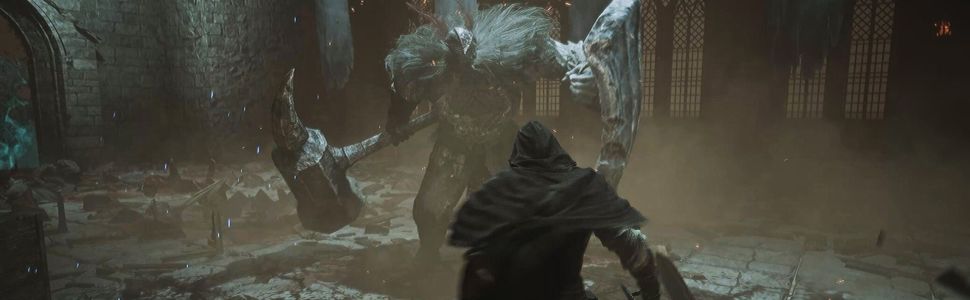
Bosses, on the other hand, are not placed simply as stronger enemies. Many of them are built around their own stories and incidents, and their existence is often the result of tragedy, desire, regret, or obsession. When players follow clues through field pages or hidden traces and eventually face the boss at the end, we wanted that battle to feel less like a random challenge and more like the conclusion of that story.
Dungeons were also designed not just as combat spaces. Some places contain records left behind by someone. Others show traces of the tragedy that occurred there. Some locations are structured so that the boss battle itself feels like the final scene of that story. As players explore, they discover field pages and hidden clues, follow those stories, and are led toward equipment, relics, rewards, or new battles.
Many events and side stories are also inspired by Korean folktales and legends. However, we did not simply recreate them as they are. We mixed different folkloric motifs or reinterpreted them in new directions so they could feel natural within the world of Arsilthus. We wanted players to discover a small trace in a place they pass through, follow it, and eventually reach a tragedy or truth hidden within that location.
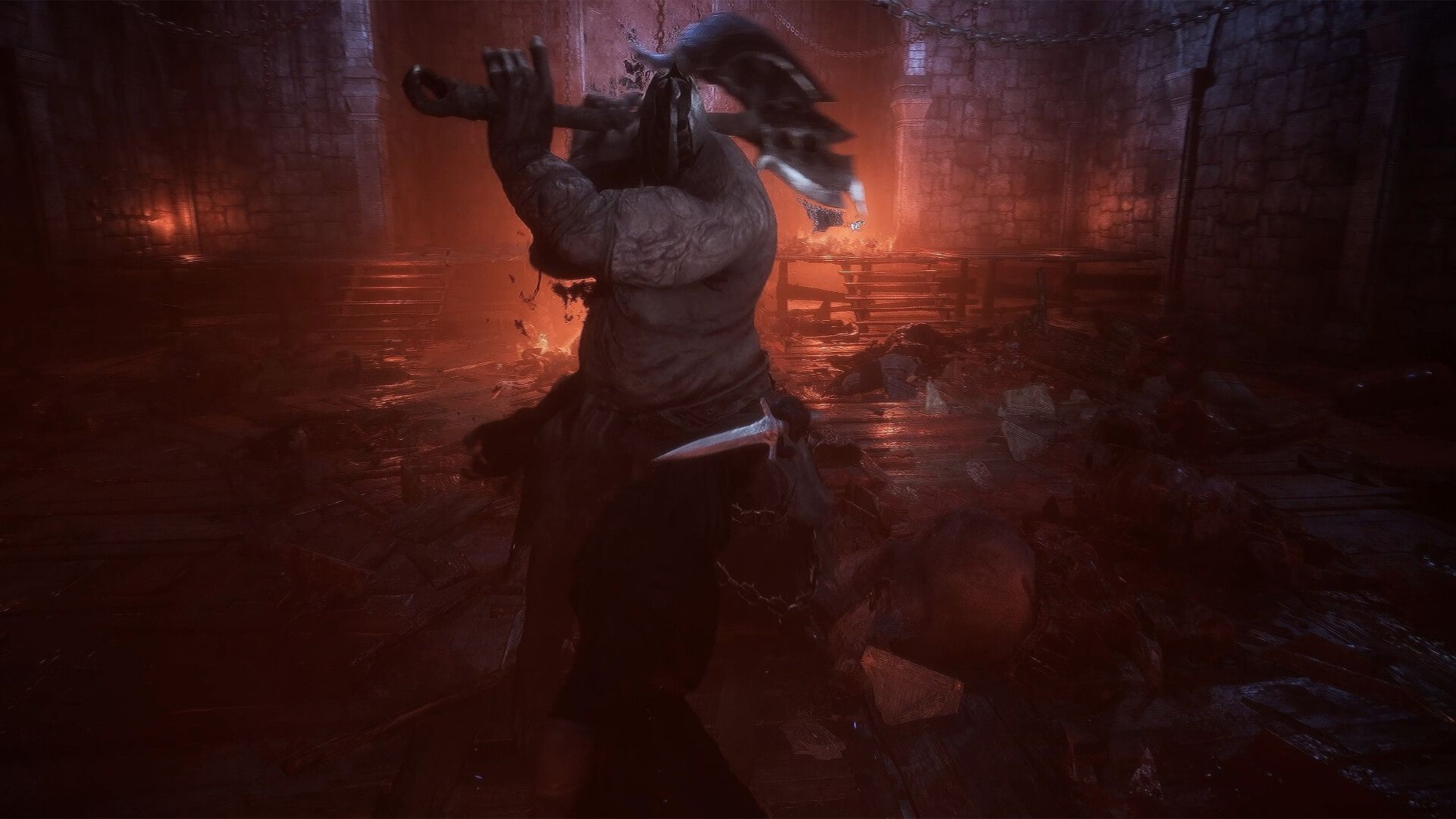
"Many events and side stories are also inspired by Korean folktales and legends."
Ultimately, we did not want to create a game that was simply about having a large map or many bosses. We wanted to create an action RPG where players understand the world through exploration, approach its stories through discovery, and encounter rewards and battles at the end of that process. In the full version, players will experience different atmospheres, emotions, enemy types, bosses, dungeon structures, and combat encounters across each region.
The Relic: First Guardian is Project Cloud Games’ debut title. Looking back at development, what were the biggest lessons the team learned while building a full-scale action RPG for the first time?
The biggest lesson we learned was the importance of focus and selection.
Project Cloud Games is a small studio, and The Relic: First Guardian is our first title. Even so, we did not want to make a game that felt small in ambition. We wanted to build a full-scale action RPG with exploration, combat, bosses, progression, and story.
However, during development, we learned that it is realistically difficult to give every element the same amount of depth. So the most important question for us became not “What more can we add?” but “What must we protect until the end?”
What we wanted to protect most was the dark atmosphere of the game and the emotions within its stories. Combat, bosses, exploration, equipment, and progression systems are all important, but what mattered most to us was how all of those elements would remain in the player’s memory emotionally.
There is one phrase we kept returning to while making the game:
“Everything remains as a story.”
This is also the slogan of The Relic: First Guardian, but it was also a standard that guided our decisions throughout development. Combat, exploration, equipment, and bosses all needed to remain in the player’s memory as part of a story.
So the biggest lesson we learned from this project is that a small team should not simply try to do more. We have to understand what atmosphere and emotion we must protect, and then focus on those things until the end.
The game has been described as a semi-open world action RPG. How much freedom will players have when exploring Arsilthus, and how do you balance open-ended discovery with a focused narrative?
The Relic: First Guardian is not an open world that removes all sense of direction. It is closer to a semi-open world action RPG where players follow a clear journey, but find their own paths and build discoveries along the way.
As players explore the major regions of Arsilthus, they can find branching paths, hidden spaces, optional bosses and events, powerful equipment, and relics. They do not have to follow only the main route. Depending on which path they choose and what they discover first, the density and shape of the experience can change.
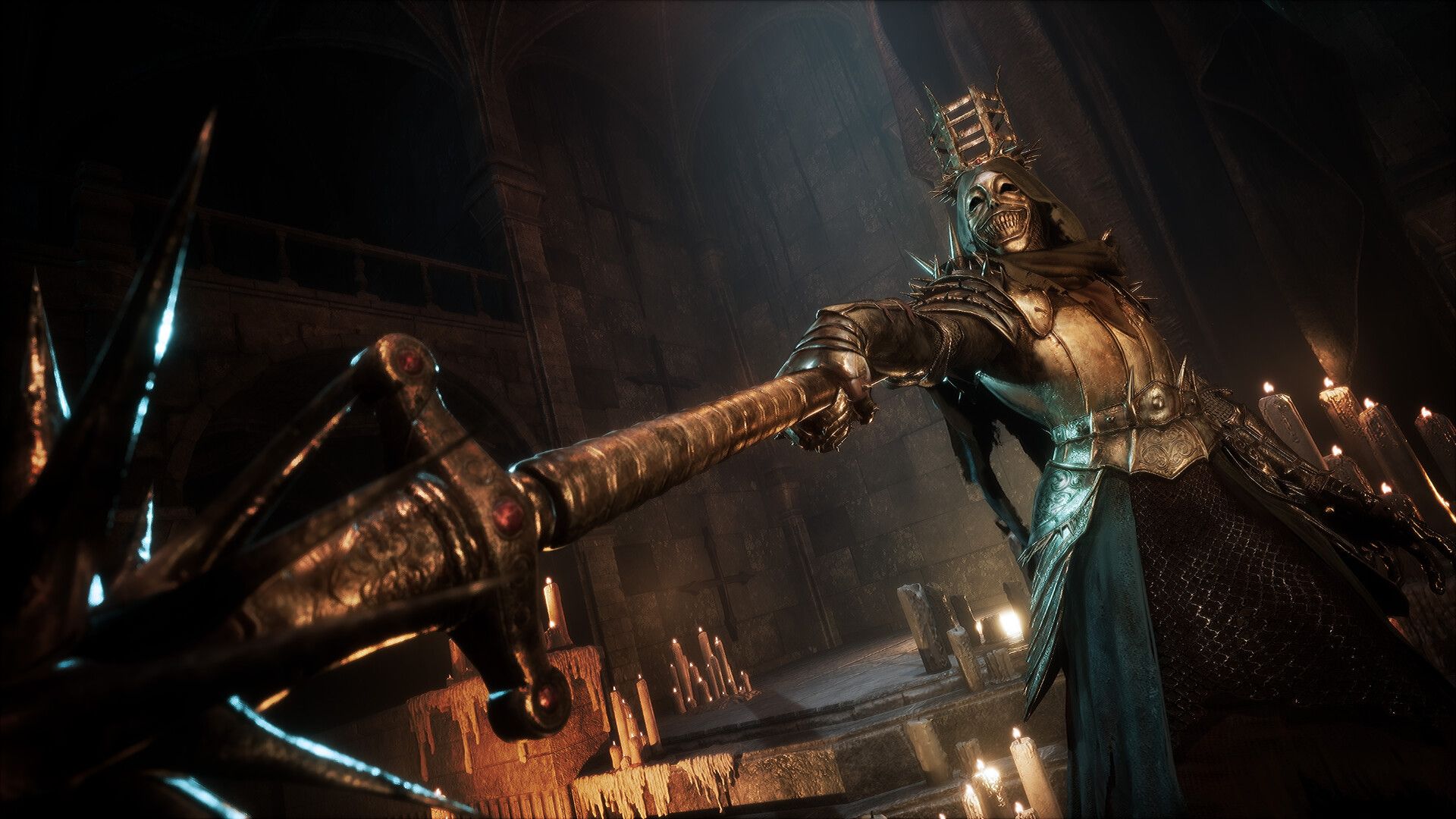
"As players explore the major regions of Arsilthus, they can find branching paths, hidden spaces, optional bosses and events, powerful equipment, and relics."
What mattered to us was not simply offering a wide space, but making exploration lead to real rewards and stories. In one place, players might discover hidden field pages. In another, they might find a dungeon where someone’s tragedy remains. In another, they might eventually face the boss at the center of that story. We designed the player’s progression so it would not feel like simply following markers on a map, but rather a natural flow of exploration, discovery, story, reward, and combat.
Of course, the game has a clear central journey surrounding the collapse of the world and the fragments of the Great Relic. We maintained that larger direction so players would not completely lose their way or lose sight of the story. But within that flow, we wanted players to personally discover the incidents, hidden places, equipment, bosses, and truths of each region.
For us, open-ended discovery and focused narrative were not opposing ideas. Exploration itself was one of the most important ways to deliver the story. When a player finds someone’s trace in a quiet ruin, follows that record, and eventually encounters an intense battle or reward, that place becomes more than a background. It becomes a memory.
Ultimately, what we wanted was for players to freely explore and, when they look back later, feel that the traces they discovered were not just lore entries or collectibles. Every discovery is part of a story, and that story is ultimately about people who tried to survive in this broken world. Desire, regret, faith, survival, choices, and the feelings left behind are scattered throughout Arsilthus, and players encounter them directly through exploration.
The Relic: First Guardian does not use a traditional character level system. What pushed the team toward progression through relics, runes, items, crafting, and equipment instead?
This idea began with a very simple question.
“Does a weapon obtained early in the game always have to be weak?”
“If a player likes a weapon, shouldn’t they be able to stay with it until the end?”
In traditional RPGs, early equipment is often naturally discarded as time passes. But we did not want a weapon or piece of equipment to lose its meaning simply because the player obtained it early. If a player grows attached to something, we wanted that attachment to matter.
We did not want equipment to feel like disposable pieces of data. If weapons and armor have their own stories, identity, and emotional weight from the moment they are obtained, we believe they can remain in the player’s memory for much longer.
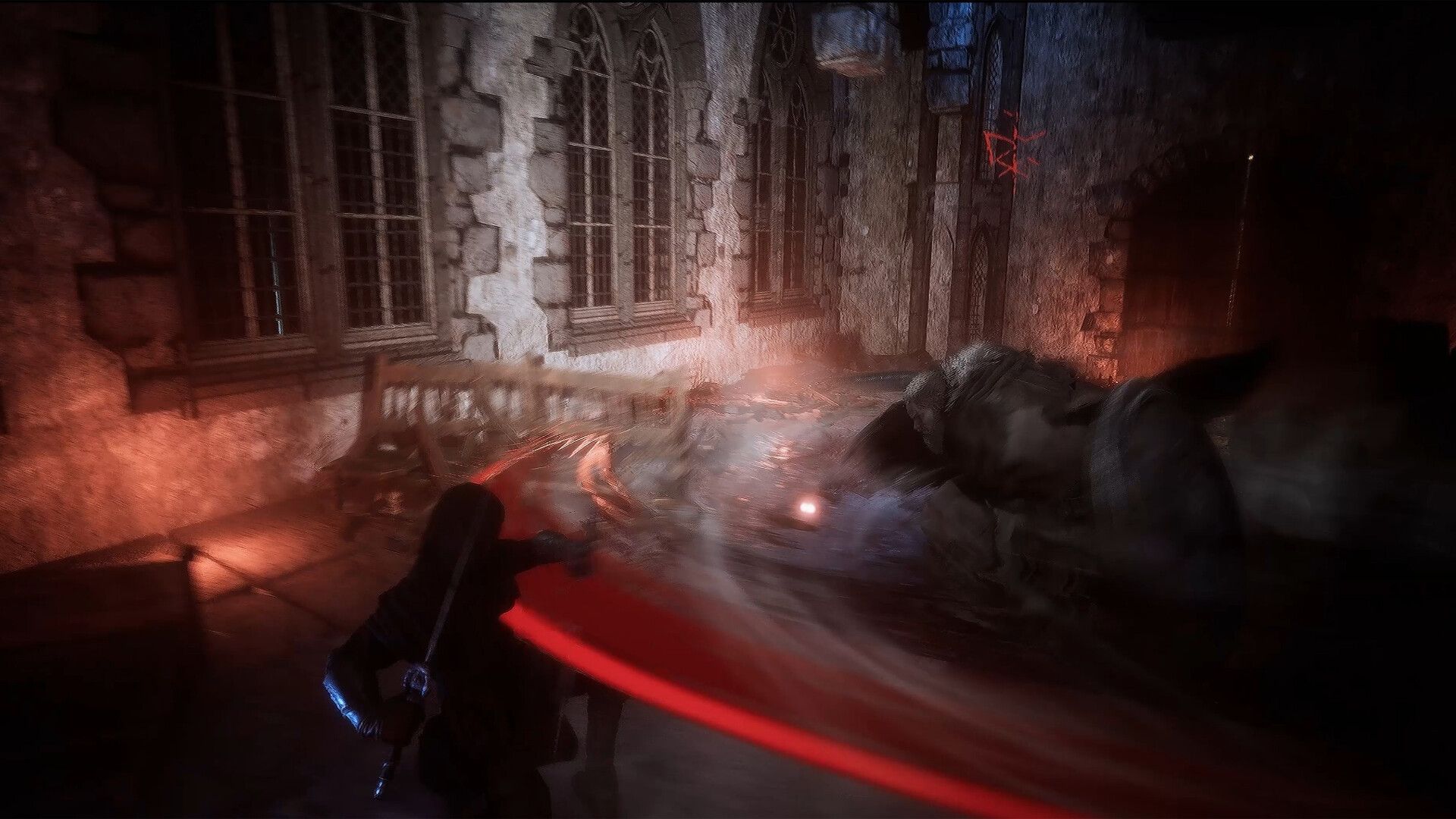
"Every discovery is part of a story, and that story is ultimately about people who tried to survive in this broken world."
Just as old fossils remain through time, are discovered, and are remembered, we wanted equipment in the game to feel like relics being unearthed rather than simple numbers. When players obtain equipment, we wanted them to feel that they had discovered not only a new reward, but also the memory and value contained within that item.
That is why each weapon and piece of equipment was designed to have more than stats or rarity. We wanted them to have their own background, role, combat identity, and narrative. We wanted some weapons and armor to feel like objects that still carry someone’s memory, choice, sacrifice, or regret.
Crafting and enhancement are also connected to this idea. For us, crafting is not simply a process of replacing equipment with a higher-tier version. It is closer to a system that allows players to refine the equipment and relics they have discovered, adapt them to their own combat style, and continue using them.
This naturally led us away from a traditional level system. Instead of expressing the character’s strength through a level number, we wanted progression to come from which relics the player discovers, which runes they choose, which equipment they wear, and how they combine their skills.
For us, progression is not simply about a number going up. It is a process of exploring Arsilthus, discovering stories, facing memories, and understanding the meaning behind the equipment players find.
In that sense, progression in The Relic: First Guardian is less about a level number and more about how deeply the player comes to understand the world. The stories and memories the player discovers accumulate over time, and that experience becomes the player’s own form of growth.
Combat seems to emphasize aggression, rhythm, and survival, with stamina reserved for defensive actions rather than attacks. How did that change the way you designed encounters compared to more traditional stamina-based action RPGs?
As mentioned earlier, we wanted weapons and equipment to be more than differences in stats. We wanted each of them to have its own story and unique identity. That idea naturally carried over into the combat system.
If each weapon has its own characteristics, then the rhythm and feel of combat should also change depending on the weapon the player uses. Some weapons create opportunities by quickly closing the distance. Others are slower, but can shift the flow of battle with one powerful strike. When skills, runes, and relics are added to this, players can approach combat in their own way.
In many traditional stamina-based action RPGs, attacks, dodges, and defense all consume the same resource, limiting the player’s actions through one shared system. We chose a slightly different direction. Rather than tying attacks heavily to stamina, we wanted players to use weapons and skills more actively and take control of the tempo of battle themselves.
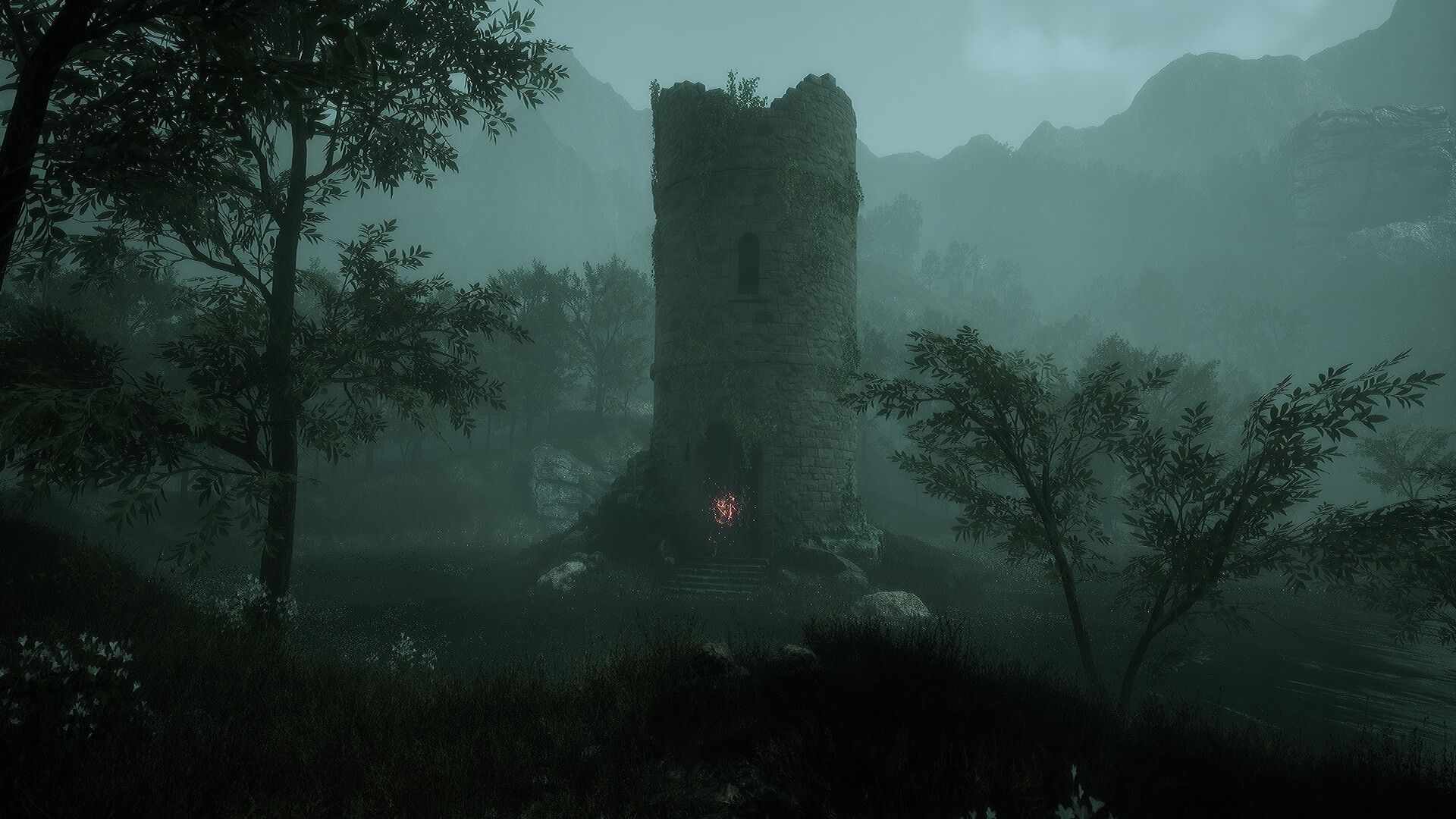
"We wanted weapons and equipment to be more than differences in stats."
Instead, stamina is focused on defensive actions such as dodging and guarding. This was not a choice made to make combat easier, but to make the player’s judgment clearer. Players can take offensive opportunities more freely, but if they push forward without thinking, they will be in danger. If they misuse dodges, guards, parries, or spacing, they may not survive at a decisive moment.
The combat we imagined was not about memorizing complicated controls. We wanted the basic controls and skill usage to be as intuitive as possible. What matters more is moment-to-moment judgment. Players must decide when to go in, when to stop, when to dodge, and when to attempt a parry within a very short window of time. In a true duel, you have to judge everything instantly and move accordingly in order to win. We wanted our combat to carry that feeling.
We also believe this connects to emotion. The tension, fear, hesitation, and satisfaction of landing an attack at the last possible moment cannot be created by numbers or systems alone. When players make a decision in a split second and feel the result of that decision directly, combat becomes a stronger emotional experience.
Some bosses also react by dodging or even parrying the player’s attacks. Because of that, combat is not one-sided aggression. It becomes an exchange of judgment in short moments. Some relics allow more aggressive actions by using stamina, but at its core, stamina is an important resource for survival decisions.
Ultimately, the combat we wanted was not about waiting defensively. It is fast-paced combat where players actively push forward with weapons and skills, but must never lose their survival judgment until the very end. The controls and skills are easy to approach, but in actual battle, every moment of judgment can decide victory or defeat.
With five weapon types and multiple skill trees, how different can two players’ builds feel by the end of the game?
What mattered to us was not simply that each player’s stats or damage numbers would be different. We wanted the way players approach bosses to feel different.
The Relic: First Guardian has five weapon types, and each weapon has a different sense of range, attack speed, risk, impact, and combat rhythm. Some weapons are strong at quickly closing the distance and creating repeated attack opportunities. Others are slower, but can deal heavy damage in a short opening. Others are designed to work well with stable spacing or a more defensive playstyle.
When skills, runes, relics, and equipment effects are added, two players can approach the same boss in completely different ways by the later parts of the game. One player might combine a fast weapon with aggressive skills to constantly pressure the boss. Another might focus on a heavy weapon and look for short windows to land a powerful hit. Another player might strengthen guard and survivability, endure enemy attacks, and wait for a chance to counterattack.
In some builds, defensive actions themselves can become part of the offense. For example, blocking an enemy’s attack may deal damage back to the enemy, or certain relics and equipment effects may allow the player to turn dangerous moments into opportunities. We did not want players to simply search for the “strongest weapon.” We wanted them to build around the rhythm of combat they personally enjoy.
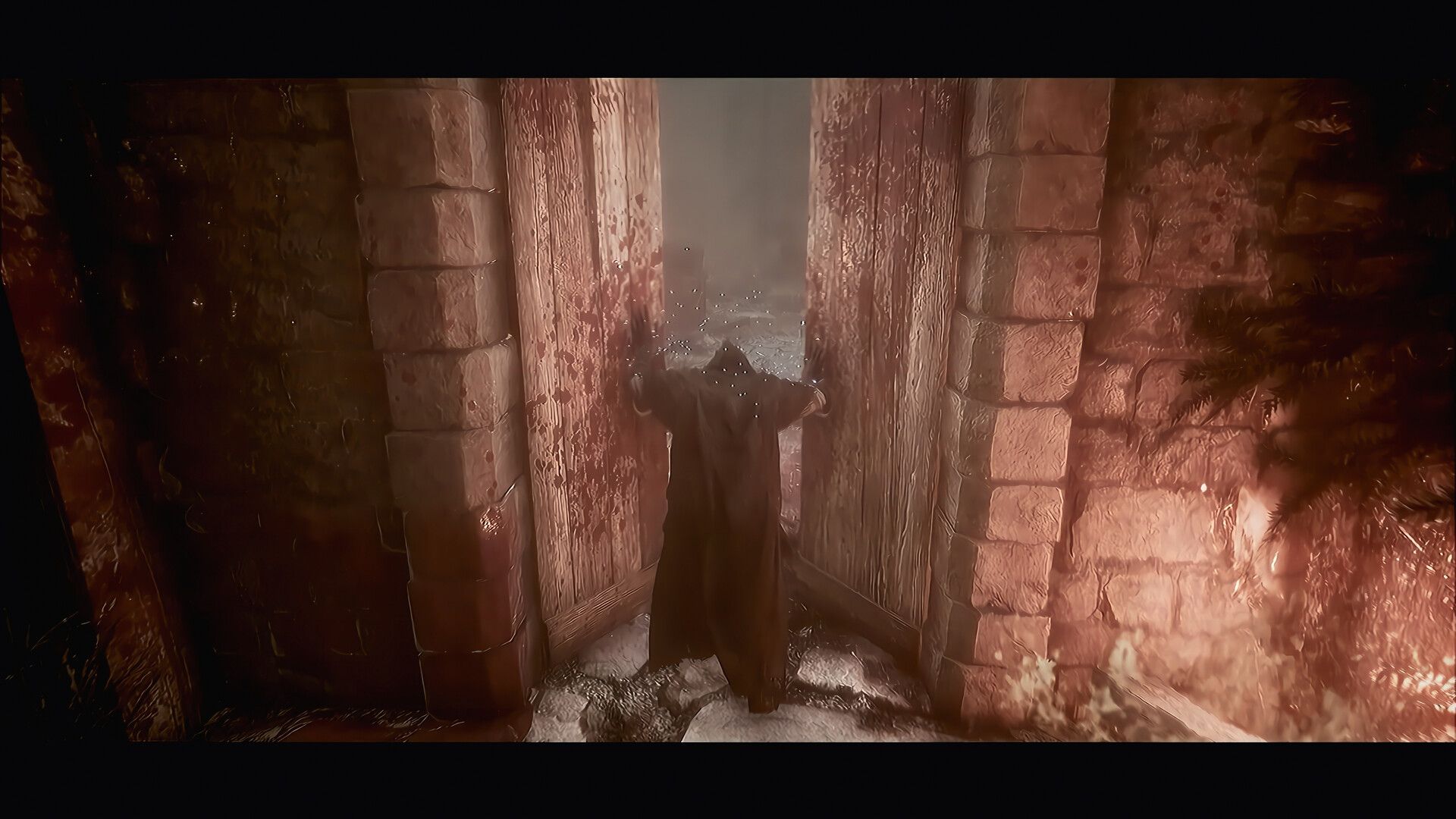
"We wanted the way players approach bosses to feel different."
Elements and consumable items also play an important role in boss battles. Using elemental effects that fit a specific boss or preparing consumables before a battle can significantly change the difficulty and flow of the fight. We wanted players to think not only about attack power, but also about the boss’s characteristics, their own weapon, skills, relics, runes, and consumable items together.
Of course, no matter what build the player chooses, reading boss patterns, judging distance and timing, and surviving dangerous moments remain important. In our game, a build does not replace the player’s judgment. It is a way for the player to choose how they want to express that judgment.
Ultimately, build differences in the later game are not simply about being stronger or weaker. They change what the player sees as an opportunity, what rhythm they use to apply pressure, and how they survive against the same boss. We wanted players to feel that there is not only one correct way to defeat a boss, but that they can find the solution that fits them.
The game features a large number of boss encounters, many of which seem tied to personal stories and tragedy. How do you ensure these bosses feel mechanically distinct while also making them meaningful from a narrative standpoint?
We did not want bosses to be simple obstacles or just powerful enemies. Many bosses in The Relic: First Guardian are the result of tragedies left behind in a region, or beings who reached the end of certain choices and regrets. So the first question we asked when creating a boss was, “Why did this being become this way?”
The most important idea is that the story of this game is ultimately about people. On the surface, they may appear as Brutals, fallen knights, monsters, or bosses. But if players follow what lies beneath, they will find someone’s desire, regret, love, sacrifice, anger, or despair. We wanted players to feel not just that they defeated a strong enemy, but that they encountered the choices a person made, what they tried to protect, and why they collapsed.
This approach directly influenced the combat design of the bosses. We did not want to simply give each boss a different appearance and attack pattern. We wanted their stories and emotions to appear through the way they fight. One boss might express obsession and anger through fast, violent pressure. Another might convey regret and a heavy fate through slower but powerful attacks. Some bosses dodge or parry the player’s attacks, making them feel less like targets that simply take damage and more like opponents who exchange judgment with the player in short moments.
The location of each boss battle was also important. The space where a boss appears is not just an arena. It is closer to a final stage that shows what that person experienced and what they lost. Players discover field pages or environmental traces through exploration, follow those stories, and eventually face the boss at the center of them. We wanted boss battles to feel like conclusions reached through exploration and discovery, rather than sudden fights that appear without context.
Many events and boss stories were also inspired by Korean folktales and legends. However, rather than directly adapting the original stories, we mixed several folkloric motifs or reconstructed them in entirely different ways so they would become new stories that fit naturally within Arsilthus. Some stories are about sorrow. Others are about sacrifice, hope, despair, anger, regret, or obsession. But at the center of all those emotions, there are people.
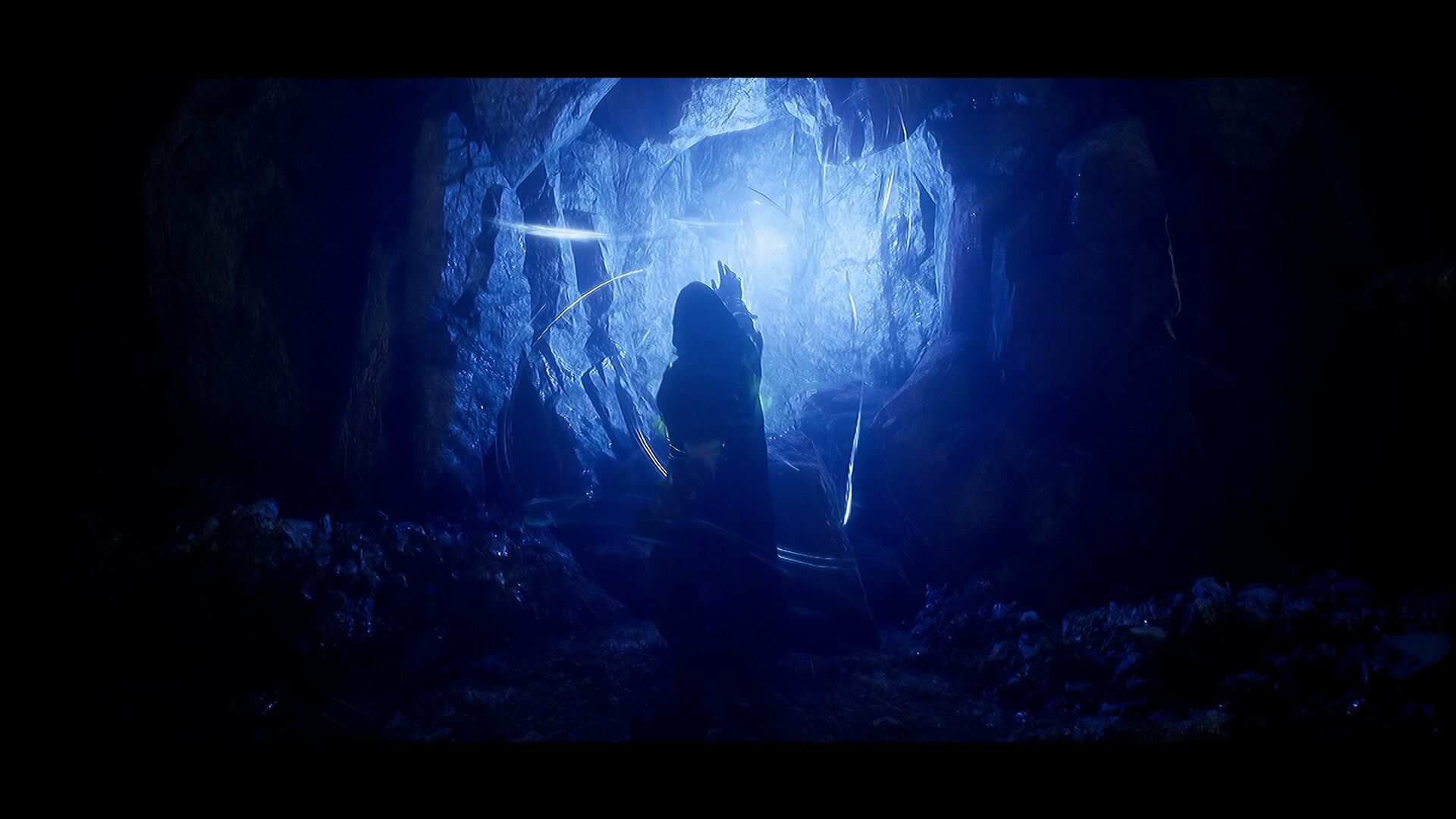
"Some stories are about sorrow. Others are about sacrifice, hope, despair, anger, regret, or obsession."
Mechanically, we also spent a lot of time making bosses feel different from one another. Attack range, movement speed, pressure, reactions to dodging and parrying, phase changes, combat space structure, and the distance and timing each boss demands from the player are all designed differently. Some bosses constantly close the distance and pressure the player. Some force the player to precisely take advantage of short openings. Others create tension by fighting together with the surrounding space.
What mattered to us was not only the number of bosses or their difficulty. We wanted players to finish a fight and remember more than “that was a hard boss.” We wanted the boss’s story, atmosphere, and the emotions of that battle to remain in the player’s memory. Why the boss changed, why they were in that place, and what emotion they left behind at the end were all important to us.
Ultimately, a boss battle is an intense combat encounter, but it is also the moment when the story of a person discovered through exploration is finally revealed. We wanted players to feel that they had not simply killed a monster, but had faced the end of someone’s story.
With the main campaign and optional side content included, roughly how long do you expect most players will take to complete The Relic: First Guardian?
It will vary depending on playstyle, but we expect most players to take around 30 hours.
Players who actively explore, challenge optional bosses, discover hidden events, collect equipment, and experiment with runes and skill builds can spend much more time with the game. The Relic: First Guardian is not simply a game about following the main route. A large part of the experience comes from discovering the stories and bosses left behind in each region.
The game launches first on PS5 and PC, with Xbox Series X/S and Nintendo Switch 2 versions arriving later. What were the main technical priorities for each platform?
We are a small studio, and The Relic: First Guardian is our first game. Because of that, rather than trying to offer every possible feature broadly, we chose to focus on what we believe is essential for an action RPG. For us, the atmosphere of the world, combat, and stable gameplay were the main priorities.
For the Xbox Series X/S and Nintendo Switch 2 versions, we will also prioritize a stable console experience. Our approach is not simply to reduce visual quality, but to preserve the core atmosphere and combat experience of the game as much as possible.
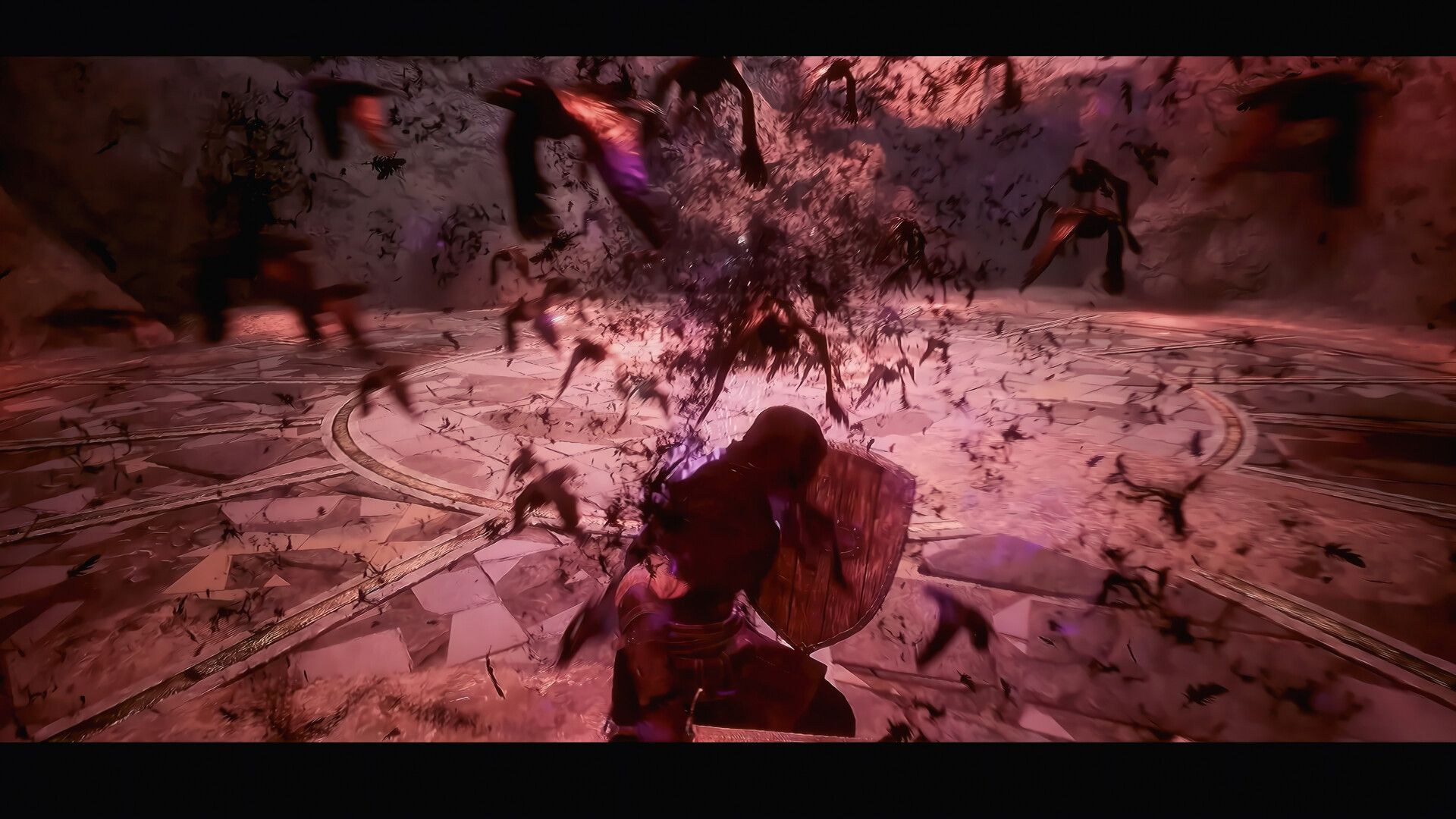
"The Relic: First Guardian is not simply a game about following the main route."
On PS5 and PS5 Pro, what resolution and frame rate targets are you aiming for? Will players be able to choose between Quality and Performance modes?
The PS5 and PS5 Pro versions are currently in the final optimization stage, and as an action game, stable frame rate and combat responsiveness are our top priorities.
Whether Quality and Performance modes will be available, as well as the final resolution and frame rate targets, will be confirmed based on the final build and announced before release.
For PC players, what can you tell us about system requirements, graphics settings, ultrawide support, frame-rate options, and upscaling technologies such as DLSS, FSR, or XeSS?
For the PC version, our main priority was not to provide a large number of highly detailed graphics options, but to make the game run and play as stably as possible across a wide range of PC environments.
The Relic: First Guardian is Project Cloud Games’ first title, and we are a small studio. Because of that, rather than offering a very granular set of graphics options, we focused on what matters most for an action RPG: combat responsiveness, stable frame rate, readability during boss battles, and preserving the overall atmosphere of the game.
The graphics options will be provided in a simplified form rather than through a highly complex settings menu. Within that structure, we focused on optimizing the game so that as many PC players as possible can play it stably.
System requirements, frame-rate options, ultrawide support, and the range of supported upscaling technologies will be confirmed based on the final build and announced officially before release.
The Switch 2 version is especially interesting for a dark fantasy action RPG with fast combat and large boss encounters. How are you approaching performance, visual quality, and handheld play on that platform?
At this stage, it is difficult for us to share specific performance targets or a release window for the Nintendo Switch 2 version.
However, the direction is clear. The Relic: First Guardian is a game where dark atmosphere, fast combat, large boss encounters, and the tension of exploration are all important. So our approach is not simply to reduce visuals, but to preserve the core atmosphere and experience of the game.
For handheld play in particular, we believe enemy movement, attack timing, UI readability, and input responsiveness are very important. We will share more specific information about this version once development has progressed further.
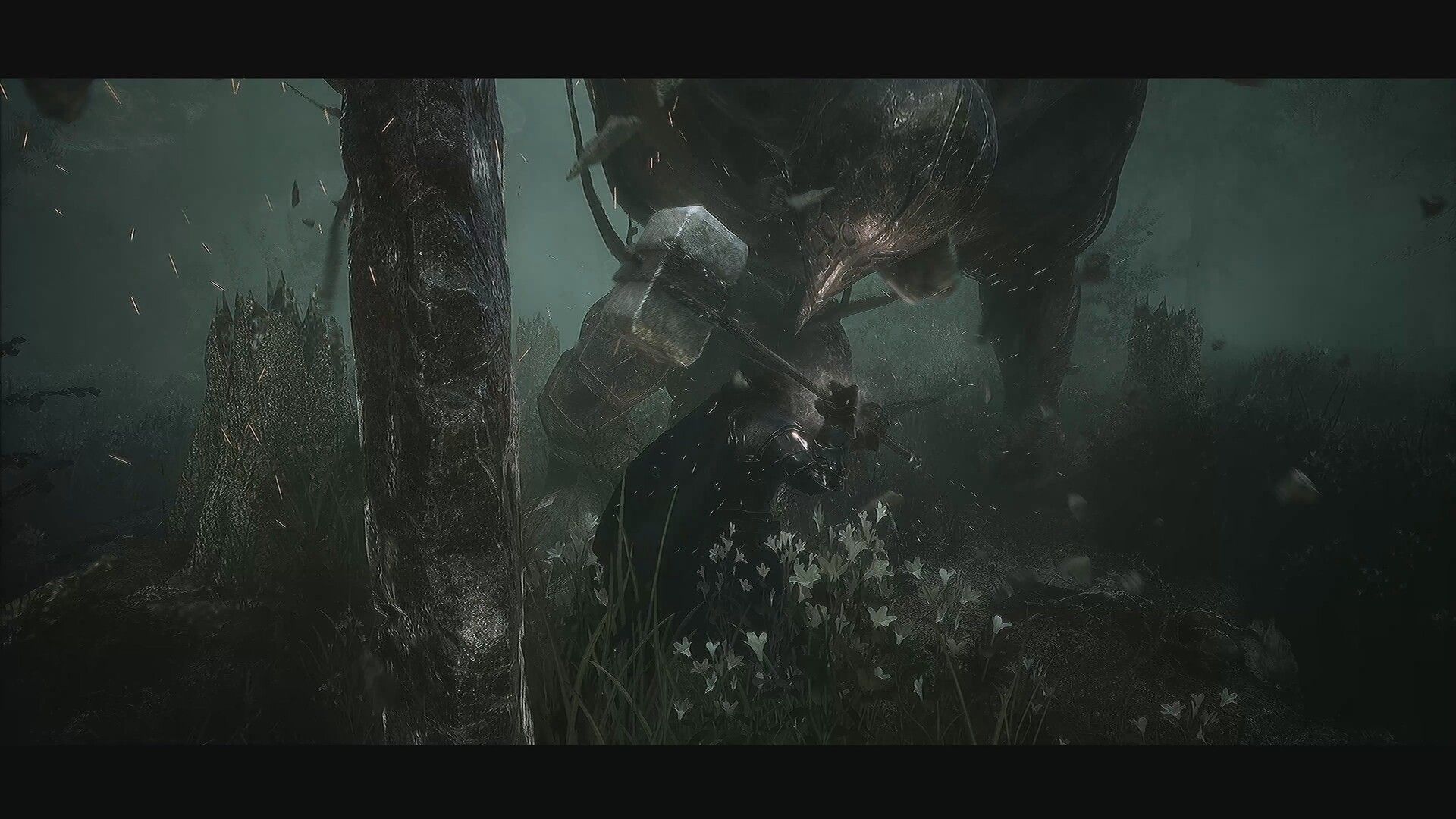
"The Relic: First Guardian is a game where dark atmosphere, fast combat, large boss encounters, and the tension of exploration are all important."
Are there any PS5-specific features planned, such as DualSense haptics, adaptive triggers, 3D audio, Activity Cards, or PS5 Pro enhancements?
For the PS5 version, our most important priorities are stable gameplay and combat responsiveness.
Features such as DualSense haptics, adaptive triggers, 3D audio, Activity Cards, and PS5 Pro enhancements are certainly attractive. However, The Relic: First Guardian is our first title, and we are a small studio. Rather than trying to include as many platform-specific features as possible, we focused first on making sure the core game experience is delivered reliably.
The feel of combat, boss battle responsiveness, frame stability, and the atmosphere of the dark world are our main goals. If there are confirmed details regarding platform-specific features or PS5 Pro support based on the final build, we will announce them officially before release.
Finally, if The Relic: First Guardian finds an audience, do you see this as the beginning of a larger world or franchise for Project Cloud Games?
We sincerely hope so.
The Relic: First Guardian is not just our first title. It is the starting point that shows what kind of games Project Cloud Games wants to create. Our slogan is “Everything remains as a story.” That phrase is not only about the world of the game, but also about the kind of experience we want to give players.
We did not want to simply tell players one story. We wanted players to walk through Arsilthus themselves, fight, discover, sometimes stop and read the traces left behind by someone, and remember that entire process as their own experience.
Personally, I like stories such as The Little Prince or The Alchemist, stories that can come back to you even after a long time. The same story can feel completely different when you read it in your twenties and when you read it again in your forties. What we hope for is something similar. We hope The Relic: First Guardian does not remain only as a game players cleared, but as a game that comes back to them later through certain scenes, bosses, stories, or emotions.
There are still many histories, characters, regions, beliefs, and tragedies within Arsilthus that we have not yet shown. If players remember this world, its characters, bosses, and stories through this game, we would like to expand that world further.
We hope The Relic: First Guardian will not end as just one game, but become the first chapter of the dark fantasy action RPG world that Project Cloud Games will continue to build.