





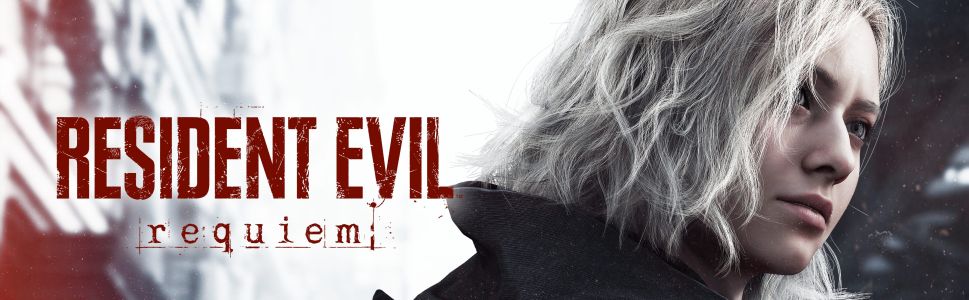
Looking back at Resident Evil over the last few years, there have been quite a few numbered entries and some really good remakes, but a noticeable lack of those smaller titles that provided interesting detours into other directions the franchise was taking while giving us enough story development to keep us hooked between mainline entries.
Well, a series of tweets from Dusk Golem, a known industry insider whose past record includes a few accurate predictions about Resident Evil and Konami’s projects, indicates that there might be more to the absence of games like The Darkside Chronicles, The Umbrella Chronicles, and the Survivor series. They’re allegedly not entirely out of the franchise pipeline, but the developer might be trying to alleviate the struggles such titles faced during the RE Engine era by investing in ambitious expansions to entries like Requiem and anything that comes next.
Think Separate Ways Remake and Shadows of Rose, in scale, while the scope is another story entirely and forms the crux of why we’re here. Let’s dive right in and find out what the developer might be up to as it looks to the future of Resident Evil.
A Temporary Solution In Testing
Let’s begin with the strategy and what Dusk Golem has claimed is going on. He alleged that instead of new standalone spinoffs, the developer is looking to take its time and come up with longer story expansions that bring the spotlight onto secondary characters, exploring smaller, more personal stories in the process. We saw it work well for Rose already, cementing her relationships with important cast members while also giving her an intriguing personal arc of her own in the process.
The developer also reportedly sees these expansions as great testing grounds for experimental ideas, some of which have often been the best features of its smaller standalone titles, with many players looking to specific experiences they provide as reasons to keep going back to them. But more than that, they’re a great way to fill gaps between bigger releases, another facet of the standalones that they share with them.
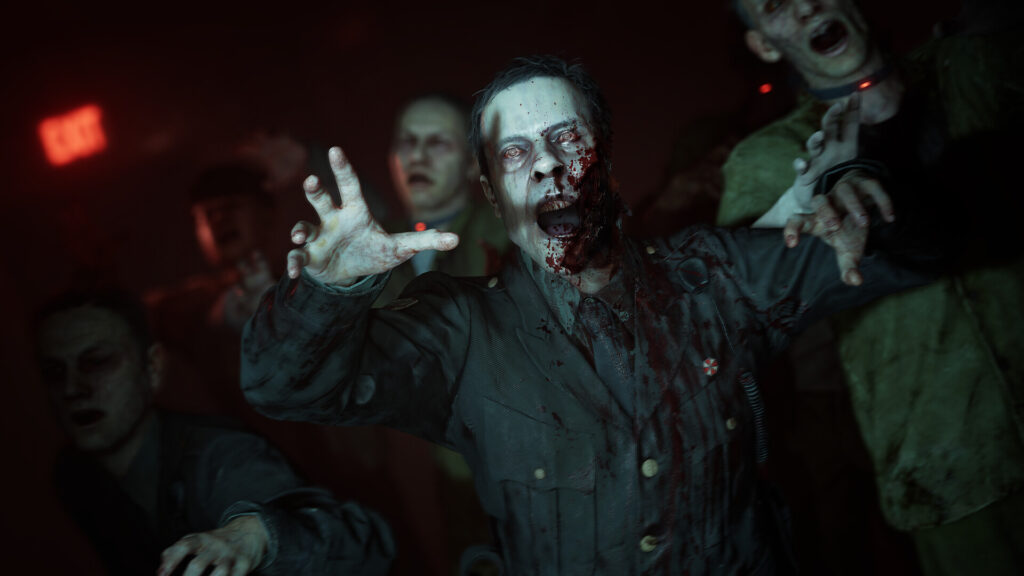
From a practical standpoint, expansions allow the developer to reuse the technological foundation of an existing title to either build on it in interesting ways, while also managing expectations around expansions that might allow them to be better-received than full releases that come with obviously higher benchmarks to aspire to.
The important thing to remember here is that Golem has been quick to point out that the strategy is only temporary, pointing out that the developer always leaves room for flexibility in its plans by looking as far as five years ahead, while expectations of change are baked into any ideas it brings to the table. He argues that the same ideas are in play on the expansion front, with the whole thing being a way for the developer to play things a little safe while it figures out what the future of Resident Evil is going to look like.
Let’s assume that the information holds true for a moment. Where would the developer start? Well, you’re probably going to like the answer to that as much as we do! But of course, there’s more from Golem to talk about as we discuss the first step in the developer’s rumoured short-term plans for the franchise.
We know Resident Evil Requiem is getting an expansion, and the base game’s success apparently has been a reason for the developer to think a little more ambitiously about what could be added to it. The studio might not have envisioned the expansion at the scale it’s reportedly thinking of now, and that’s a great showcase of the responsiveness we mentioned earlier. Think about it this way. Requiem came out to a lot of fanfare and high expectations and managed to meet them quite well as a mainline title that’s now the connective tissue between the franchise’s past and wherever it may go next.
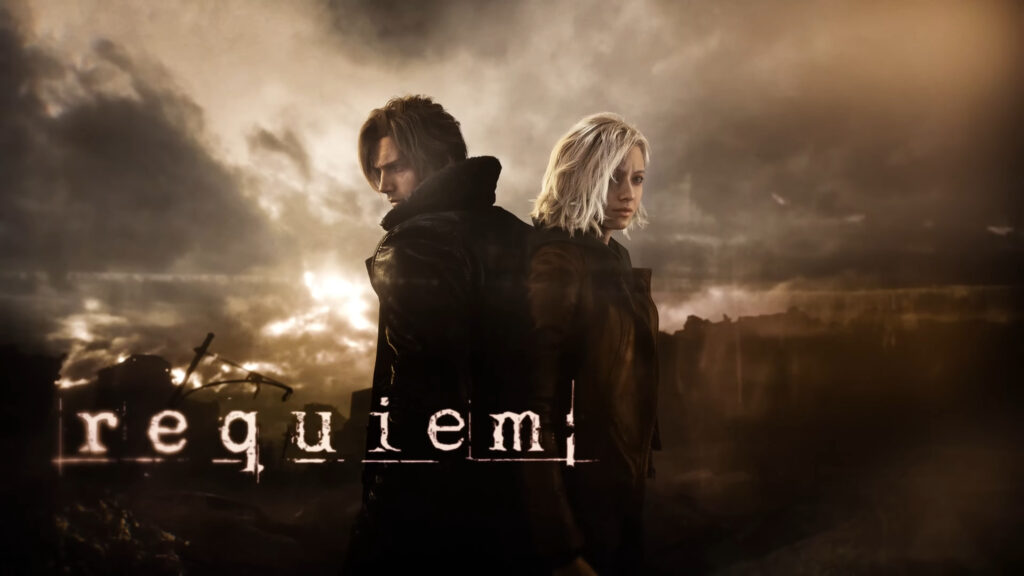
The developer’s since thought long and hard about what worked and what didn’t in the base game and has adjusted its plans for Requiem’s expansion accordingly, while also thinking of potential approaches to making each expansion count in ways it couldn’t manage with its standalone games in the past. Of course, development on it takes a while longer, but even that’s a reason to take such projects on since there’s an obvious difference in quality in comparison to a standalone title, with a smaller scale and timeline.
Speaking of timelines, Golem also claims that the expansion is coming only after the Veronica remake is out, which points to sometime post-Q1 or Q2 2027. That’s a while away considering that Requiem was released in February this year, unusually late for DLC by today’s standards. But we always say that more time spent in development is a good thing, as it simply gives studios more time to polish whatever they’re trying to bring to the table. That time could be the difference between something that feels like a disposable add-on and an expansion that feels like a standalone game on its own, after all.
However, the developer runs the risk that interest in Requiem’s DLC could wane in the wake of Veronica’s release, which forces it to ensure that the expansion brings something that we really care about to the table. It’s going to need a strong premise, content that’s not only exciting but meaningful to the larger story and experience that Requiem sells, and perhaps even connections to the franchise’s meta-narrative to keep players invested in it.
We must reiterate that there’s no official confirmation yet, and while this may be speculative, we’ve got to say we can see the merits of such an approach. They make the developer’s alleged roadmap for the future quite exciting to think about.
Riding The Winds of Change
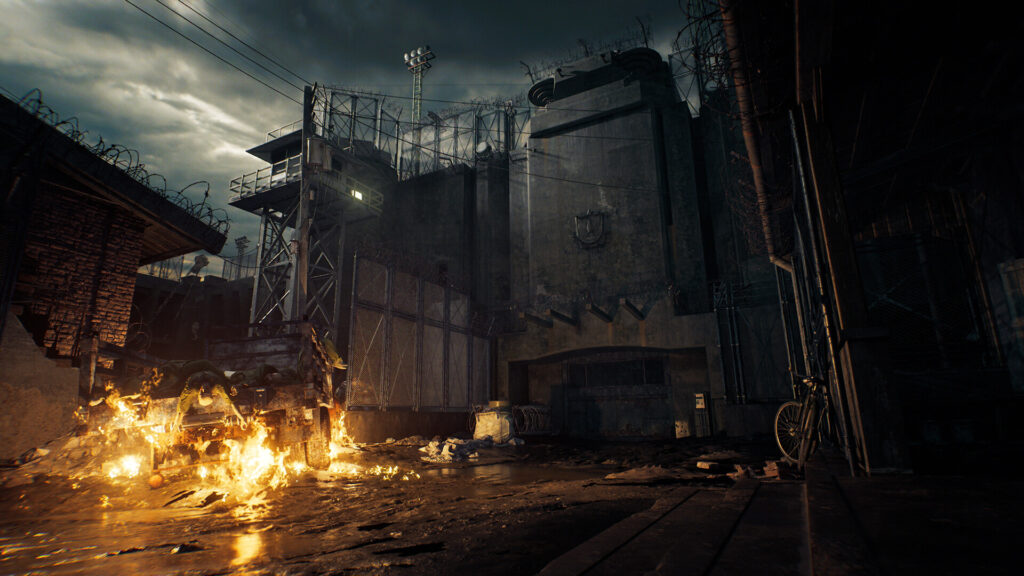
Another claim from Golem that we’re pretty interested in is that Requiem’s expansion isn’t the only one that’s been greenlit by the developer under similar circumstances. There’s another one in the works, which is coming in pretty late in comparison to the original game’s release, wasn’t part of that one’s vision, and isn’t going to be people and story beats that simply found no place in the original game. Of course, Golem hasn’t identified that one by name, so we’re going to treat it as speculation at this point.
But the very idea points to an interesting dichotomy. It could be quite easy to say that the developer is merely looking to monetize its content long after its shelf-life is past due. But the way Golem’s saying it points to a deliberate strategy that’s focused on the studio’s own scheduling needs and a genuine focus on what its audience is looking for from a franchise that’s high on its list of top performers.
Golem has a few things to say on the strategy front, claiming that the developer has foregone an elaborate plan spanning decades of titles, remakes, expansions, and fixed storylines, choosing to remain agile enough to respond to a variety of situations. Projects may not go the way they’re expected to, which tacks on additional development time for internal reworks and perhaps even some time on the chopping block to make a few cuts.
Audience demand could change over a game’s development cycle, while a new addition could switch things up with its success. Requiem’s quite an example of that, we’d say. Commercial opportunities could change, requiring a pivot that the studio might not have been prepared for if it had too many years of its plans for the franchise running on a fixed schedule with no wiggle room. Feedback is another important factor and a variable that works well with the developer’s alleged focus on flexibility and agile responses to what its audiences and release pipelines need at any given time.
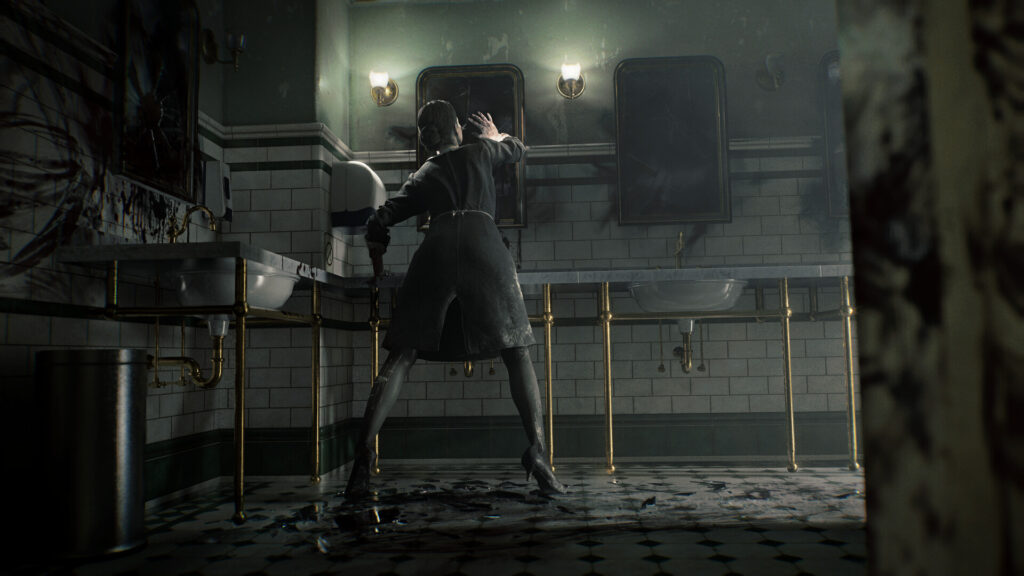
Well, if you consider those possibilities, expansions with longer development windows are great places for the developer to continue sustaining interest in a franchise that’s always been in modern gaming’s limelight, while not forcing it to change direction on major titles that are already in development. It’s already worked for Resident Evil, with RE2 benefiting from pivots into gameplay and level design choices that might have been divisive to some but worked by ensuring the developer significantly reworked them to ensure their success. In short, it managed to stay ahead of potential problems by being willing to return to the drawing board to respond quickly enough to challenges that came its way.
Story DLC is a great way for the studio to be experimental with its ideas, allowing it to have a bevy of information on what it could bring to the table in future titles, all the while effectively managing to retain engagement and minimize the risks of new ideas in full-title releases not working out as expected. It could also be a way to see what all of us might respond to, such as more action-heavy combat or survival horror that’s more concentrated. Different camera perspectives are a possibility, as are enemy designs that might be too risky to debut in a mainline entry.
Expansions are perfect staging grounds for smaller and denser maps, or mechanics that were thought up too far into a mainline title’s development. It could also be a great way to bring in stories that the developer wants to tell about secondary characters, without being forced to think about entirely new standalone titles for them. Separate Ways Remake is a good example, with the grappling hook being an idea that made Ada feel far more nimble than Leon and more flexible in the field when up against groups of enemies. There was also the narrative perspective it brought and the way it moved the overall franchise’s story forward in interesting ways.
But while that responsiveness could be a potent tool in the developer’s plans for Resident Evil, it could also become an equally deadly pitfall at a crucial stage of the franchise’s long journey in modern gaming. It could make the developer too dependent on reactions from the loudest parts of the community that’s formed around the franchise, with the added caveat of allowing post-lunch feedback to compromise its own vision for its expansions. The developer’s always been unafraid to bet on its own ideas, and diluting that confidence is definitely a risk.
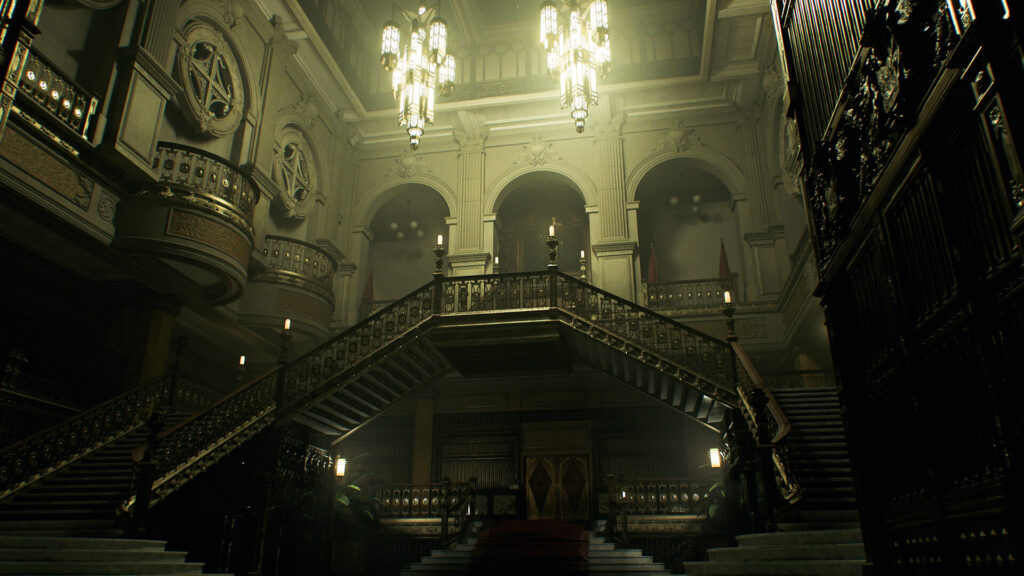
The question of a clear creative identity is also concerning, as it can become too easy to blur the line between feedback and what the team behind a game has brought to the table, sometimes even internally. There’s also the risk of audiences moving on from games where the DLC arrives too late for them to care, while expansions could become places where imperfections of the original game get addressed without bringing anything meaningfully new to the table. Stagnancy could creep in at any point, and it’s something the developer needs to stay cognizant of.
There’s also the risk of groundbreaking original content losing out in priority to safer ideas that are easier to build with existing assets. Flexibility cannot collapse into poor planning, and constantly switching things up is a good idea only when there are end results that justify those means. But of course, the developer’s a seasoned hand at this, and the current strategy is quite likely a temporary measure aimed at specific outcomes.
Big story expansions are definitely a good way to keep the franchise in the spotlight between its mainline entries, while neglected characters could get the development they need via smaller stories, perhaps setting them up for expanded roles in future stories. They’re great ways to respond to feedback and test out new ideas in safe, contained releases that mitigate the risks of bringing them out as standalones.
But they’re not a replacement for the kind of titles that allow the developer to truly flex its creative muscles. Outbreak immediately comes to mind, and we’d argue that DLC has to have some sort of connection to the identity, tech, and audience of a parent game, which automatically holds it back in a sense. We’d argue that an ideal outcome involves using DLCs as a strategic way to evaluate its vision for what a new generation of Resident Evil titles is going to look like, standalone titles included.
The franchise isn’t thriving because the developer planned its moves years in advance, but does so because it’s always known when its existing plans need changes. We’re inclined to believe that it’s the case with this latest strategy if it’s indeed as Golem claims it is. Either way, we’re always up for more Resident Evil, and the franchise is looking as good as it’s ever been at the moment.
Note: The views expressed in this article are those of the author and do not necessarily represent the views of, and should not be attributed to, GamingBolt as an organization.