



Mortal Kombat is on vacation, Tekken has fallen on hard times, and Street Fighter still reigns supreme after all these years. And while many fighting games have challenged for one’s attention since then, few have been as hype as Marvel Tōkon: Fighting Souls – a 2.5D title from none other than Arc System Works of Guilty Gear fame, together with PlayStation and Marvel Games.
With its gorgeous art style and over-the-top action, it may seem like the Marvel vs Capcom sequel that we never got, but there is a lot more to it. Let’s dive into 15 things you should know before it launches on August 6th for PS5 and PC, starting with…
Episode Mode
The story involves Earth facing a challenge from the Champion, with the Promoter serving as his pseudo-herald of sorts, and it’s up to heroes and villains alike to face him, or risk annihilation. Rather than a story mode with animated cutscenes and no gameplay (a la Guilty Gear Strive), Marvel Tōkon’s Episode Mode has you playing as each of its five teams across different scenarios with plenty of battles. Each episode is presented with animated comic book panels by a different artist, further adding to the Marvel feel.
Launch Roster
There will be 20 characters at launch, split into five teams, from the Knights of Doom with Doctor Doom, Magneto, Green Goblin and Carnage to the recently revealed Samurai Outriders (not the Midnight Suns) featuring Deadpool, Blade, Ghost Rider, and Loki. Each team has its own thing going on – surely, there’s a reason why Peter Quill is teaming with Spider-Man and Ms Marvel rather than the rest of the Guardians of the Galaxy, right?
Arcade Mode
While Episode Mode forces you into these specific teams for narrative purposes, Arcade Mode lacks any such restrictions. You can mix and match any characters as you see fit, whether it’s bringing Peni Parker to the X-Men or having Blade fight alongside Magik. Do some of these team-ups break the lore? Sure, but that’s part of the fun.
Link Attacks
If you’ve played Dragon Ball FighterZ, then Link Attacks are essentially auto combos, where pressing the Light, Medium and Heavy attack buttons repeatedly will execute a string of attacks. Each ends with something different, like calling in assists at the end of a Light combo or using a Super Skill at the end of a Medium combo. Since the various closed betas, there have been adjustments – whiffing a Link Attack won’t trigger the entire combo, for instance, which adds a bit more risk.
Unique Skills
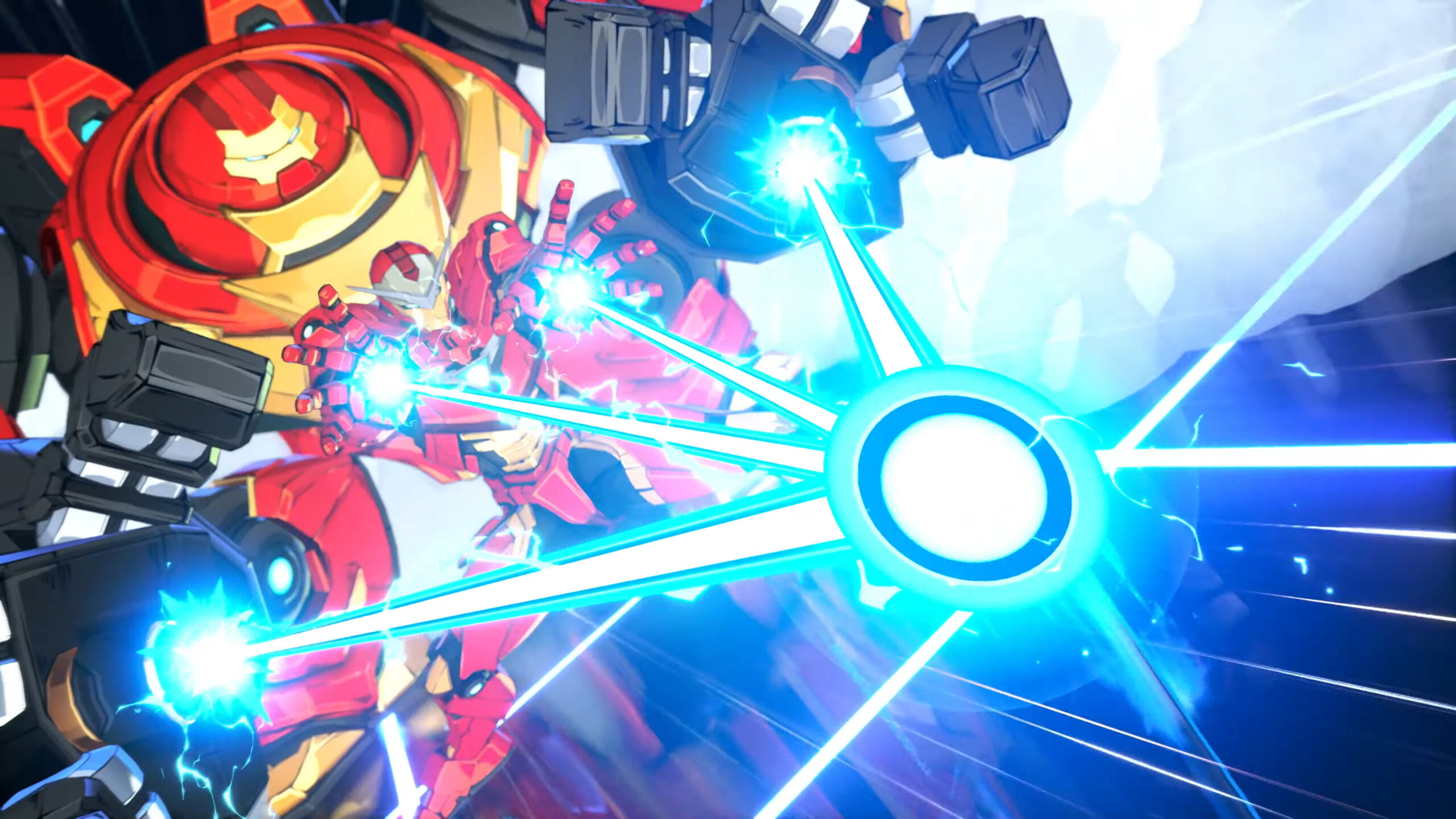
Every character has different moves, Super Skills, Ultimate Skills and Tōkon Assembles (which we’ll get to later). But what really distinguishes them are their unique traits. Iron Man, for example, can multi-dash in any direction and hover in mid-air, while Captain America’s Trick Shield can bounce off the environment and opponents. There’s quite a lot of variety here – in addition to multi-dash, Star-Lord can unleash different elemental attacks, each with unique effects (like fireballs that hit multiple times).
Stages and Wall Breaks
From Wakanda and the Savage Land to X-Mansion and Knowhere – Marvel Tōkon has quite the line-up for environments to battle in. But they’re more than just a singular platform. By initiating a Wall Break, similar to Strive, you can knock an opponent into a different part of the stage, and that whole process is more than cosmetic – it’s one of the foundations for the entire tag format.
4v4 and How to Unlock the Team
So by now, you’ve probably seen that this is a 4v4 tag fighter, which is highly uncommon for the genre. But fights won’t begin that way. Instead, you start with two characters and need to execute a Wall Break on your opponent to add another team member to the active line-up. Could you theoretically finish a match with only two characters? Sure, but then you’d be missing out on the real secret sauce of Marvel Tōkon – assists.
Assists
Any inactive character will pop in to execute their ability, and in neutral, there’s only a short cooldown, so you can bring in multiple assists in short order. Things get more complicated when trying to call them in during a combo because of the Assemble Gauge – it depletes with each assist, so you can’t permanently keep an opponent in a block string. While each character’s ability changes depending on their slot, you can actually swap to them during an assist, and change that mid-combat. There’s a whole lot more nuance involved – like swapping to a character mid-combo after their assist is complete to execute another attack – and it’s one of the more exciting things about the combat system.
Shared Health
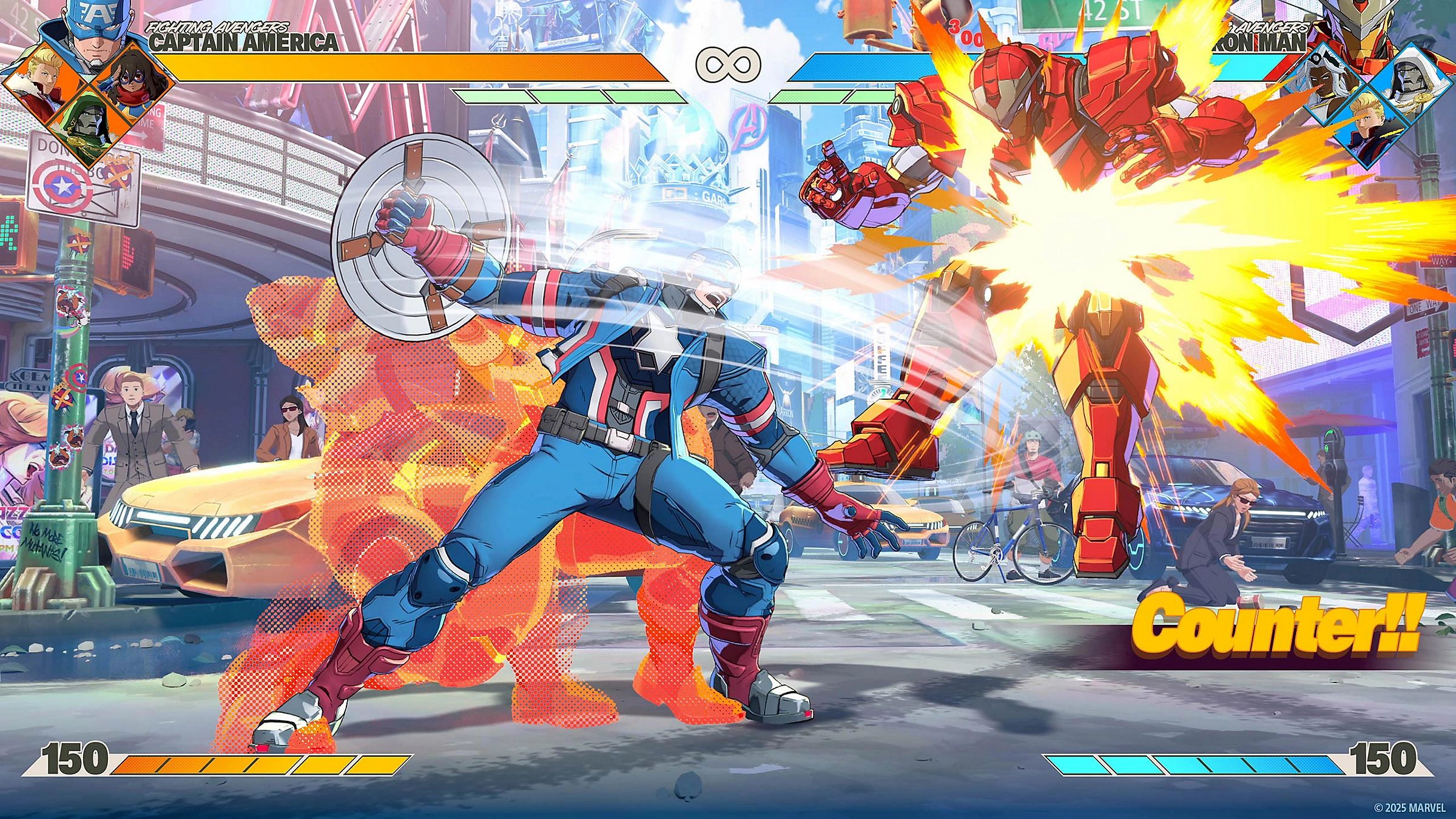
One of the other big unique factors in the tag format is that the entire team shares a single health bar. No swapping out and recovering health for your allies, which may sound unheard of in this format. However, it has several benefits, like having to only stick to a single character (or two) instead of learning an entire team, leaning on the others for assists alone. It also prevents battles from dragging on for too long due to the 4v4 format.
Tōkon Assemble
What would a fighting game be without a comeback mechanic? If your team is set to lose the match in the current round, you can activate Tōkon Assemble, initiating an invincible strike and an all-out attack with all members for maximum damage. It can be used in neutral and even initiated at the end of a Light Link Attack combo, though you’ll need a sizable Skill Gauge to pull it off.
Versus Mode and 64-player lobbies
Beyond Episode and Arcade Modes, you have the standard Versus mode. Once again, there are no character restrictions to the team, and when going online, you can enter lobbies with up to 64 other players. It’s very much in line with the Battle Hub from Street Fighter 6, where you run around as an avatar and challenge other players in front of virtual arcade machines.
Ranked PvP
While casual PvP is a given, it’s the ranked climb that remains a mystery. The closed beta for Marvel Tōkon had different colored shapes next to players’ names, seemingly indicating their skill level, but the actual ranks, skill divisions, and how you gain points to advance remain to be detailed. So whether it follows Strive’s system or goes for something more akin to Street Fighter 6 is something we’ll have to wait and find out.
Rollback Netcode and Crossplay
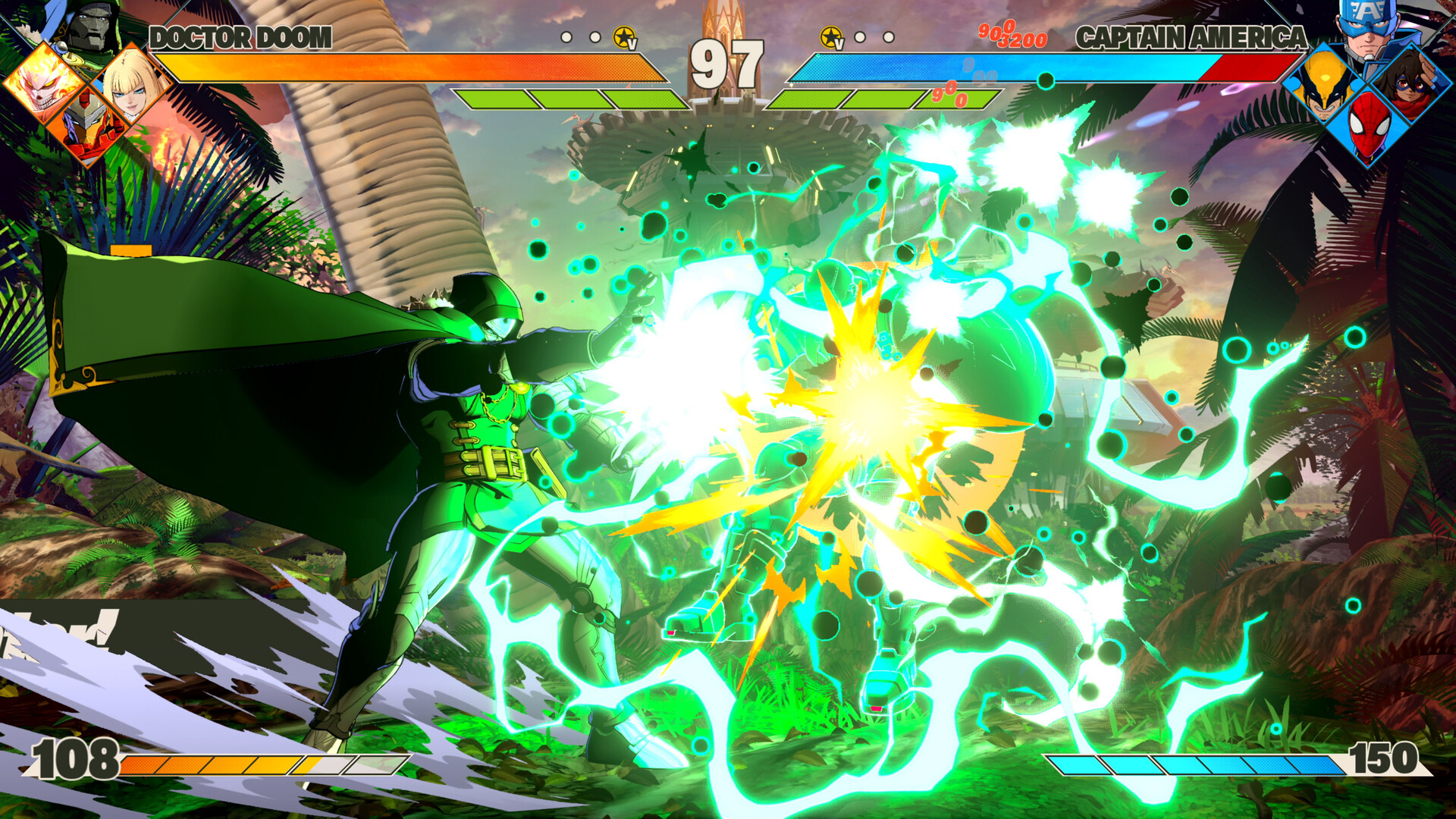
On the plus side, rollback netcode is enabled through online play, and with how it’s been implemented in Arc System Works’ previous titles, you can expect buttery smooth gameplay. Crossplay is also supported between PS5 and PC players, though the latter will need a PlayStation account.
PC Requirements
On the low end, Marvel Tōkon’s PC requirements are pretty reasonable. An Intel Core i5-8400 or AMD Ryzen 5 1600X, 16 GB of RAM and an Nvidia GeForce GTX 2060 6GB or a Radeon RX 6600 XT 8GB. It’s the recommended specs that are a big step up from Strive, including a Core i7-8700 or Ryzen 5 3600X, 16 GB RAM and an RTX 3070 8 GB or a Radeon RX 7600 XT 16 GB. Space requirements have yet to be detailed, but it’s probably best to expect something sizable.
Here Comes a New Challenger
And as always, launch is only just the beginning, as Arc System Works will add four more characters and a new stage as part of the Year One Characters and Stage Pass. Whether we’ll get ten years of support, as producer Takeshi Yamanaka seemingly wishes, remains to be seen. But considering how Athe developer is still updating its older titles with new characters, you can expect plenty of additions to the roster in due time.