




Of all the IPs that come and go in this industry- some never returning, others at the whim of bigger budgets and higher expectations- it genuinely felt like Onimusha was done for. So seeing Way of the Sword emerge as it did, not only becoming one of the most anticipated games of the year, but critically acclaimed in its own right, has been bittersweet. Granted, there are plenty of other IPs that could do with the love that Resident Evil and Monster Hunter get – still waiting on those Dino Crisis and Metal Gear remakes – but even if it’s taken more than 20 years, Onimusha finally got its turn.
And make no mistake, we loved Way of the Sword. It’s a fantastic revival and easily one of the strongest releases in recent years. The criticisms that follow aren’t meant to take away from that, but rather highlight the areas where an already excellent game could have been even better.
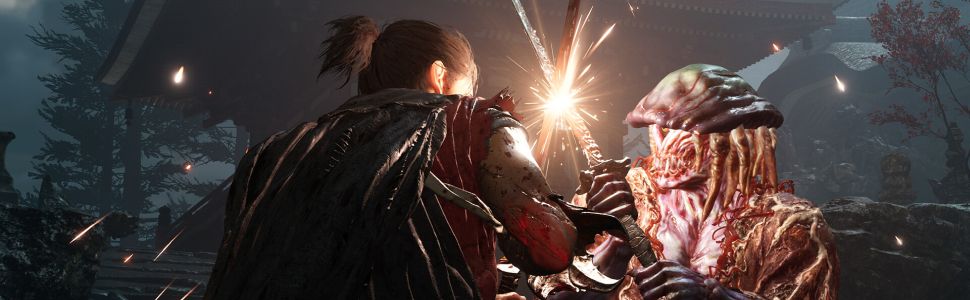
It’s even more endearing to see how the development team refined the combat, ensuring mechanics like Issen feel more intuitive and engaging than ever while introducing its own take on parrying and deflection. There’s still plenty of opportunity to hack and slash like the old-school titles, but with the added satisfaction of executing a Chain Issen to decimate groups of enemies. Or choosing which parts of a boss to break for different bonuses.
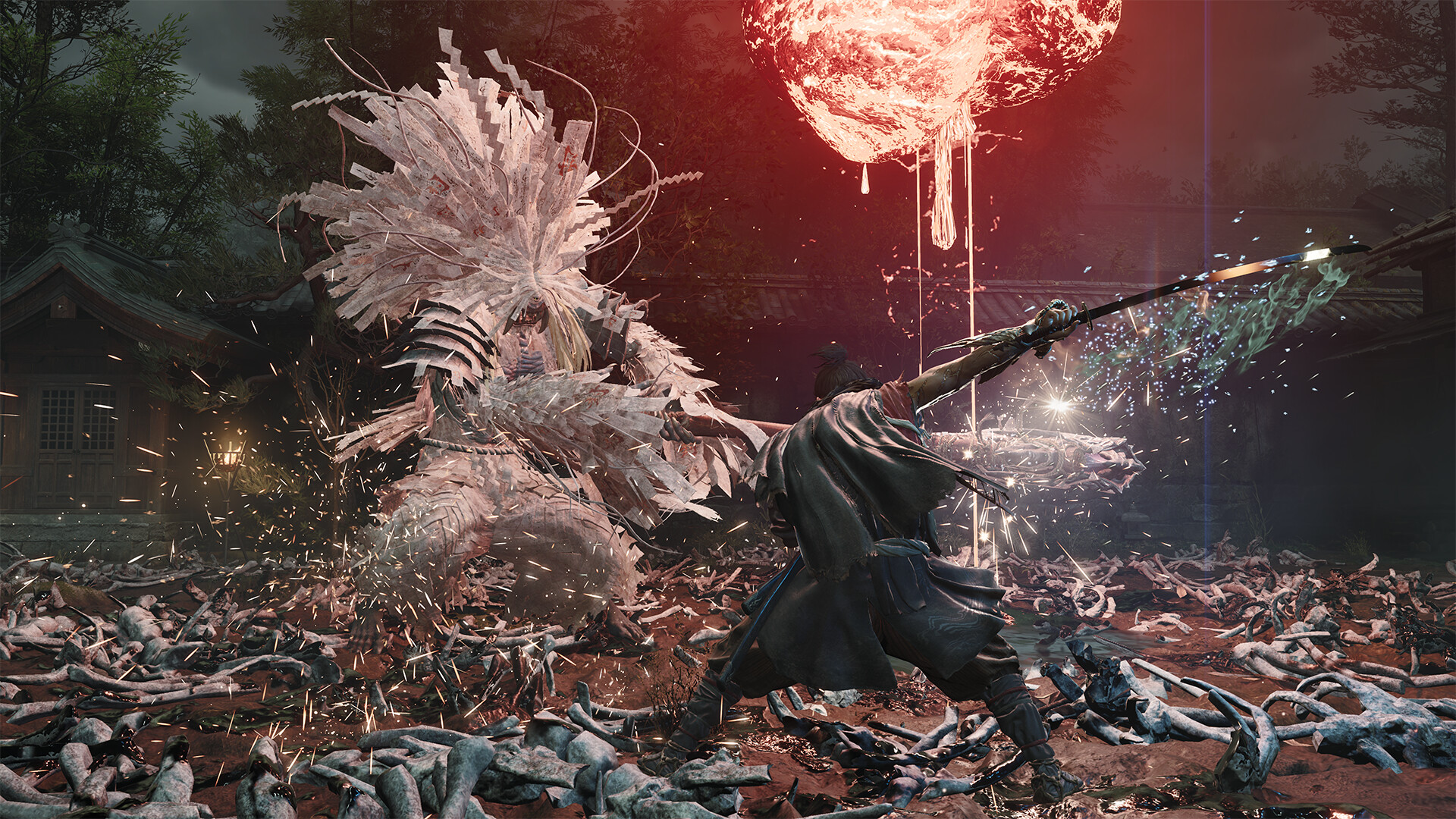
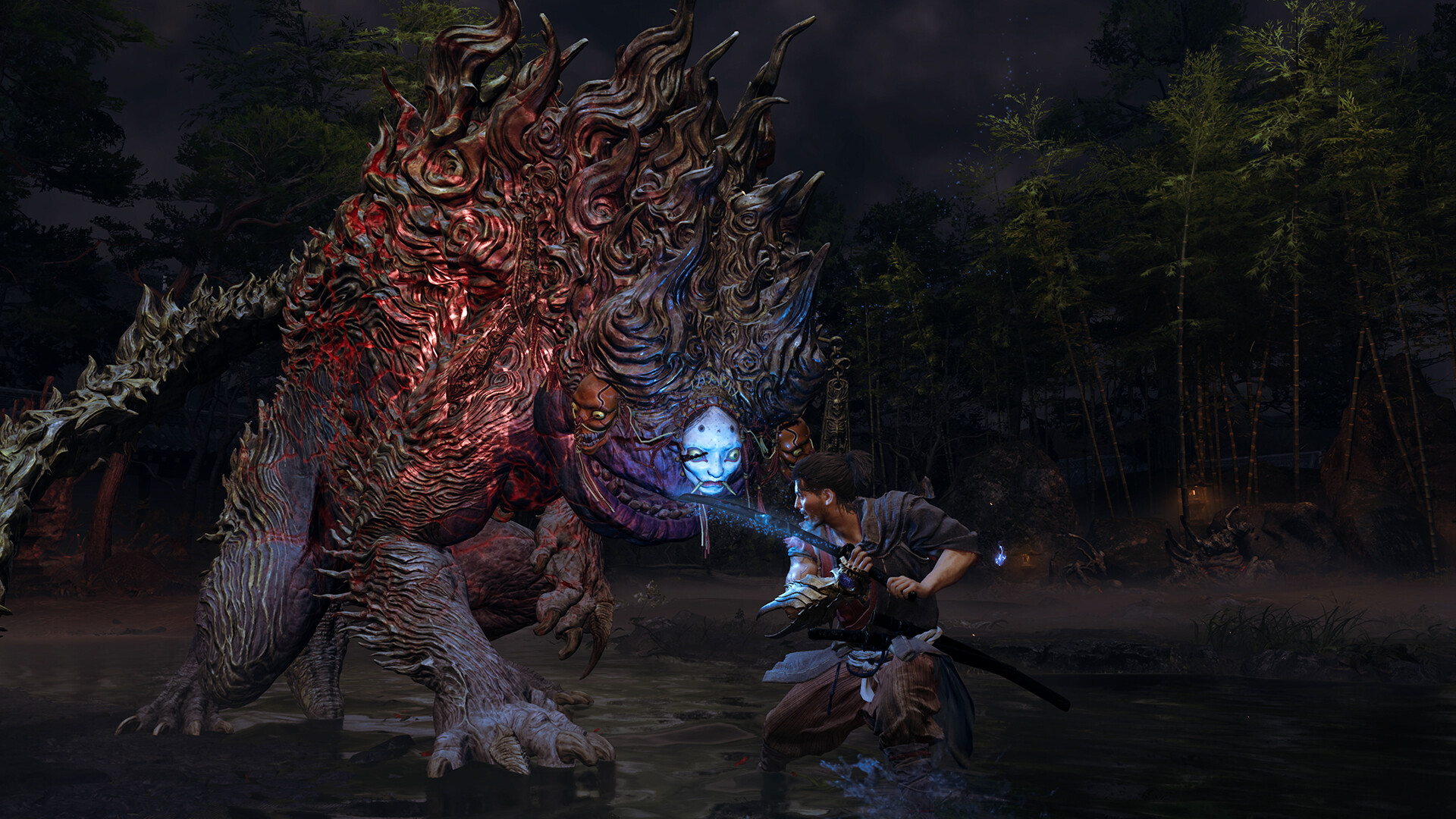
Critics certainly agree – Way of the Sword currently has an 86 Metascore based on 87 reviews, and combat is universally praised throughout. Even in our eight-out-of-ten review, we called it perhaps the “best gameplay expression of swords clashing” since Sekiro: Shadows Die Twice, which is high praise indeed. The mechanical depth shines more in the boss fights, especially when you finally nail their patterns and deftly dodge attacks, systematically cutting them down to size. The fact that each boss feels distinct and memorable – with some exceptions – is all the more satisfying.
However, you’ll quickly notice a common complaint among some reviewers, whether they’re positive or leaning more towards the negative side. That being, combat is unquestionably the game’s greatest strength, though some of the elements built around it don’t always hit the same impressive highs. From a story and, to my chagrin, an exploration perspective, there are definitely some shortcomings.
By now, you probably know that Eastern Kyoto serves as a hub of sorts. At first, it seemed like you would explore it between levels, gradually uncovering new secrets, speaking to characters and engaging in side quests. The meat of the experience would still focus on the main missions, though, so like Imasho from Onimusha 2, you could think of this as more of a stopover with some extra content.
GameSpot’s review, however, notes that it makes up a large amount of the experience. Which isn’t a bad thing on its own – after all, Way of the Sword is a 20-hour game, according to producer Akihito Kadowaki, though I’ve seen some outlets claiming it took 30 to 35 hours with side content. And as noted before launch, the developer would convey the different myths and folklore around Kyoto, encouraging players to learn more about the setting. For a series that mostly pushed you through the rollercoaster conflicts that serve as fantastical spins on the Sengoku Period, I was looking forward to playing more of a tourist. Not in every single piece of side content, mind you, but perhaps there would be some memorable tales along the way.
That level of variety doesn’t quite carry through, as many of the ‘Mysteries of Kyoto’ ultimately revolve around finding the Genma responsible and eliminating them. If you’re thirsting for the blood of your enemies and want to slay every single threat that the game has to offer, this will sound perfectly fine. But they all boil down to the same thing, and it’s not just the Mysteries. Side quests fall prey to this flaw, feeling one-note in the process.
But hey, the combat is great, so really, what’s the problem? Aside from detracting from the main experience – which has its own issues that we’ll get to, don’t worry – it just feels like a missed opportunity. My brain looked at Eastern Kyoto and immediately vibed with this semi-open-world approach, seeing it as the development team doing what it couldn’t with Imasho. A proper hub, expanded with content beyond interacting with characters and where you would return to progress the story. Instead, some of its activities can begin to feel overly familiar, particularly when pursuing them becomes important for improving your weapons.
As noted, however, the main missions are better, and it’s where Way of the Sword really shines, even if the story isn’t particularly memorable. Musashi received plenty of credit for his charisma, which is certainly a boon, but based on the lack of other mentioned characters, I’m starting to think he’s the exception rather than the rule. It’s a bit of a missed opportunity, especially because the wider cast and story don’t always leave the same strong impression as the game’s combat and boss encounters. Much as Ako is central to the narrative of Onimusha 3, I was happy to see her gone in favor of a more mature presence, though to no avail, it seems.
Sadly, it also seems that the team didn’t quite follow the “less is more” approach for missions either. VGC notes that one boss (my guess being Sasaki Ganryu, Musashi’s nemesis) is encountered multiple times throughout the story. “So what?” I responded. Ranmaru Mori and Gogandantess would like a word. Even with combat this enjoyable, though, encountering the same boss seven or eight times inevitably takes some of the excitement out of those later confrontations.
It’s perhaps best summed up in PC Gamer’s review: As good as the action can be – and it’s very good – it’s ultimately “spread out across a 10K that should be a sprint.” You’ll recall that one reason we praised Pragmata, the developer’s last major single-player outing, is its lean structure, clocking in at about 16 hours for the story and side content. Even players concentrating primarily on the main story may encounter stretches where the pacing feels less focused than it could have been. And I would be fine with the story being forgettable if it didn’t also plod along with the exposition in the opening hours.
Do these shortcomings hurt Onimusha: Way of the Sword? To an extent, but they never overshadow just how much the game gets right. Is combat a remarkable cure-all for its shortcomings? Your mileage will vary on that front, but if it wasn’t obvious by now, it more than pulls its weight. The point is that the development team could have honed in on that more, resulting in a shorter but ultimately more well-rounded experience. You know, like the older Onimusha games, where you’re going from spectacle to boss fight, solving puzzles in between and unlocking new weapons at a rapid pace.
But maybe the team felt it wouldn’t be enough to satisfy long-time fans. Perhaps it got a little too carried away at finally reviving Onimusha that it wanted to stuff as much as possible into the experience. None of this changes the fact that Way of the Sword is an excellent return for the series, and if nothing else, the fact that the gameplay beyond the combat is satisfying should show that it’s worth the price of admission. It just would’ve been nice to zero in on that more, especially when the other aspects feel noticeably weaker by comparison.
If anything, these shortcomings feel more like lessons the developers can carry into whatever comes next. Way of the Sword already succeeds at the things that matter most, delivering outstanding combat, memorable boss encounters, superb production values and a revival that feels worthy of the Onimusha name. Its weaker mechanics stop certain parts of the experience from reaching those same heights, but they never came close to overshadowing how much we enjoyed the game. With a little more focus next time around, the developer could have something truly exceptional on its hands.
Note: The views expressed in this article are those of the author and do not necessarily represent the views of, and should not be attributed to, GamingBolt as an organization.