





In case you haven’t heard, I’m rather…obsessed with The Witcher 3: Wild Hunt, especially after the free Remastered update. Even with its issues, it brings a more contemporary look, and its many new gameplay additions bring it in line with some of the best the genre has to offer. Of course, that only raises the question: How exactly does it compare to the very best open-world games of yesteryear?
We’ve already seen how Geralt’s journey matches up against Crimson Desert, especially with the latter receiving its own massive Enhanced update. But what about CD Projekt RED’s own Cyberpunk 2077? Red Dead Redemption 2? The Legend of Zelda: Tears of the Kingdom? Ghost of Tsushima? Elden Ring? Or better yet, all of them? Let’s find out, starting with…
Storytelling, Characters and Consequences
Elden Ring’s world-building, especially the environmental storytelling and lore, deserves a nod, and we admit that Tears of the Kingdom is a better tale than Breath of the Wild. But in terms of emotional investment in the plot, how the stories connect to the world, and the meaningful decisions you can make, the biggest competition in this category is obviously Cyberpunk 2077, Red Dead Redemption 2, and Ghost of Tsushima.
As much as I liked Jin Sakai and his conflict between honor and saving his people, he has little choice (except in the ending). Red Dead Redemption 2 and Cyberpunk 2077 both offer incredible characters, and it’s honestly neck and neck with the best The Witcher 3 has to offer. Night City has a slight edge because of the more extensive choices and consequences. But in terms of storytelling, it’s probably on par with Red Dead Redemption 2 in scale, emotional investment, pacing, dialogue, etc.
Exploration and Discovery
If there’s anything all of these games do very well, it’s exploration and discovery. Following the Guiding Wind on Tsushima to turn up an enemy camp, hot spring or mystery; discovering random events in Red Dead Redemption 2 or just plain creepy occurrences alongside the many side missions; and getting to know the messy ins and outs of Night City have proven extremely enjoyable over the years.
That said, Elden Ring and Tears of the Kingdom are probably the standard-bearers. The former’s boss fights, weapons, spells, and that sense of continuously pushing forward, just to see what’s next. The latter with its discoveries, puzzles, sights, and much more across three different planes of existence. I wouldn’t say The Witcher 3 Remastered is on the same level in terms of puzzles or even boss fights, but it’s stories, especially in terms of writing, are certainly a notch above either. Even the most innocuous of contracts and treasure hunts can lead to unexpected twists and turns.
Regardless, in exploration, I’d put it on par again with Red Dead Redemption 2 and above Cyberpunk 2077 and Ghost of Tsushima, as the kings of the genre continue to rule.
World Interaction and Believability
Right off the bat, Ghost of Tsushima falters. As detailed as the NPCs look and as gorgeous as the world can be, there’s very little interaction with the environment. Similarly, NPCs don’t really respond to your reactions outside of quests, so you can’t suddenly slay the residents of Tsushima. It’s a beautiful backdrop for a great story, but that’s it.
Comparatively, Red Dead Redemption 2 lets you run wild and kill regular NPCs, but with little consequence, as the main characters go scot-free (unless the plot dictates otherwise). On the other hand, from your looks to the last time Arthur showered, the world is responsive and treats you accordingly. The same goes depending on whether you’re honorable or not. That’s in sharp contrast to Elden Ring, where you can murder most NPCs, even those with extensive side quests, though the main quest keeps going. Of course, the world of RDR2 excels because of the sheer attention to detail, thanks to Rockstar’s insane dedication and budget.
On the other hand, Tears of the Kingdom boasts a believable world in terms of weather, physics, and so on. Create a large fire and its updraft allows for gliding. Carry any metal in a thunderstorm, and you’ll be struck by lightning. Those are only the basics, though – we’re not even talking about things like constructing massive Zonaite machines to rain death or exploiting shield hopping to solve puzzles. But aside from yeeting Koroks, you can’t really affect NPCs.
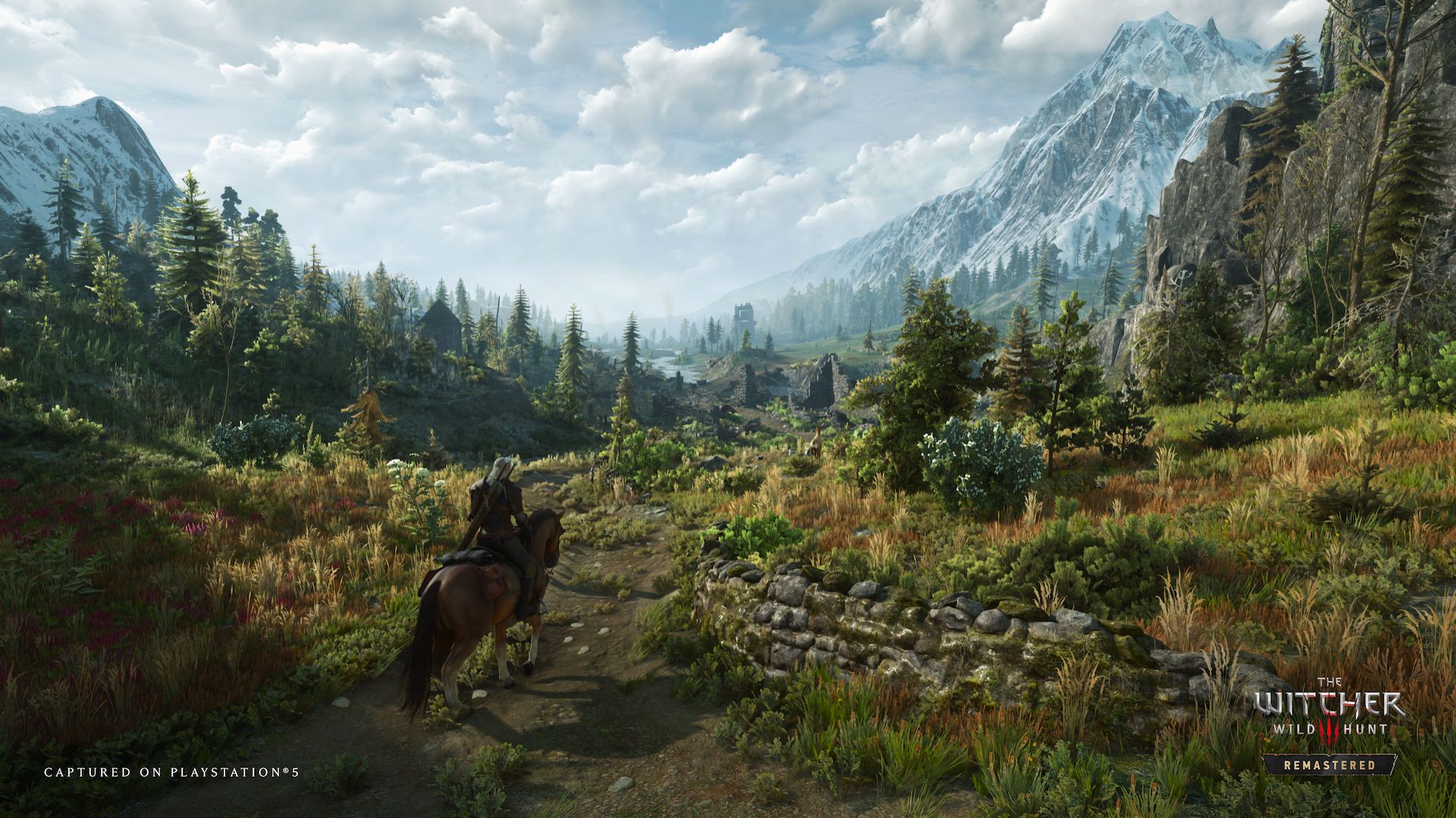
Even next to Cyberpunk 2077, The Witcher 3’s environmental interaction and responses from the world are a step lower. NPCs can still act realistically, but you can forget about killing them. The only effect you’ll have on the world is probably setting fires with Igni or breaking walls with Aard. At least it’s visually believable enough, whether it’s water realistically dripping down clothes, how foliage interacts with wind and other weather phenomena, and more.
Combat
With how wildly different each game’s combat can be, it’s hard to really earmark a clear winner. After all, I liked Cyberpunk 2077’s shooting, but even with solid melee combat, The Witcher 3 is handled completely differently. Elden Ring’s combat remains stellar, but that’s a Souls-like with a completely different rule-set. Red Dead Redemption 2 is a third-person shooter where cover is important; Tears of the Kingdom is more action-adventure hack-and-slash – it’s tough. Perhaps the closest comparison is Ghost of Tsushima, even with the latter’s stance-based combat.
However, even with the Remastered’s various improvements, there’s no denying that The Witcher 3’s combat isn’t its strongest quality. More responsive and smoother, sure, but better than Tsushima, Elden Ring or Cyberpunk? No. At the very least, based on mechanical preference, I’d place it slightly above Tears and RDR2.
Progression and Player Freedom
Player freedom can be a lot more important than one realizes in open-world titles nowadays. Red Dead Redemption 2 offers a range of activities to get lost in, and depending on how you get involved, some circumstances may change. However, the main story proceeds exactly how it should, and any attempt to deviate usually results in failure.
Compare it to Tears of the Kingdom, where you’re relatively free to complete everything based on the tools in your arsenal and how creatively they’re used. In that sense, Cyberpunk 2077 and Elden Ring aren’t too different, at least from an action RPG perspective. The former offers enough avenues for wildly different builds – much more than The Witcher 3 – which the immersive sim elements leverage via alternate paths and shortcuts through levels or even unique dialogue options.
FromSoftware is content to provide hundreds of ways to approach encounters and slaughter foes, and that’s perfectly fine, given the heavier focus on combat.
Even with the skill tree changes, comparing The Witcher 3 against any of them directly is tough. It has shades of RDR2’s stringency in main missions; pales in comparison to build variety and progression in either Cyberpunk or Elden Ring; and encourages nowhere near the ingenuity of Tears. However, it’s definitely above Ghost of Tsushima by virtue of the sheer amount of equipment and weapons, and more unique playstyles (even if Sucker Punch wins out in terms of stealth).
Atmosphere and Pacing
Another tricky comparison, because every game is paced differently. It’s hard to really say whether The Witcher 3’s pacing is directly worse than Tears of the Kingdom. And when considering their respective stories and worlds, almost every title offers excellent pacing (though many could argue that Elden Ring’s pacing suffers in its last portion).
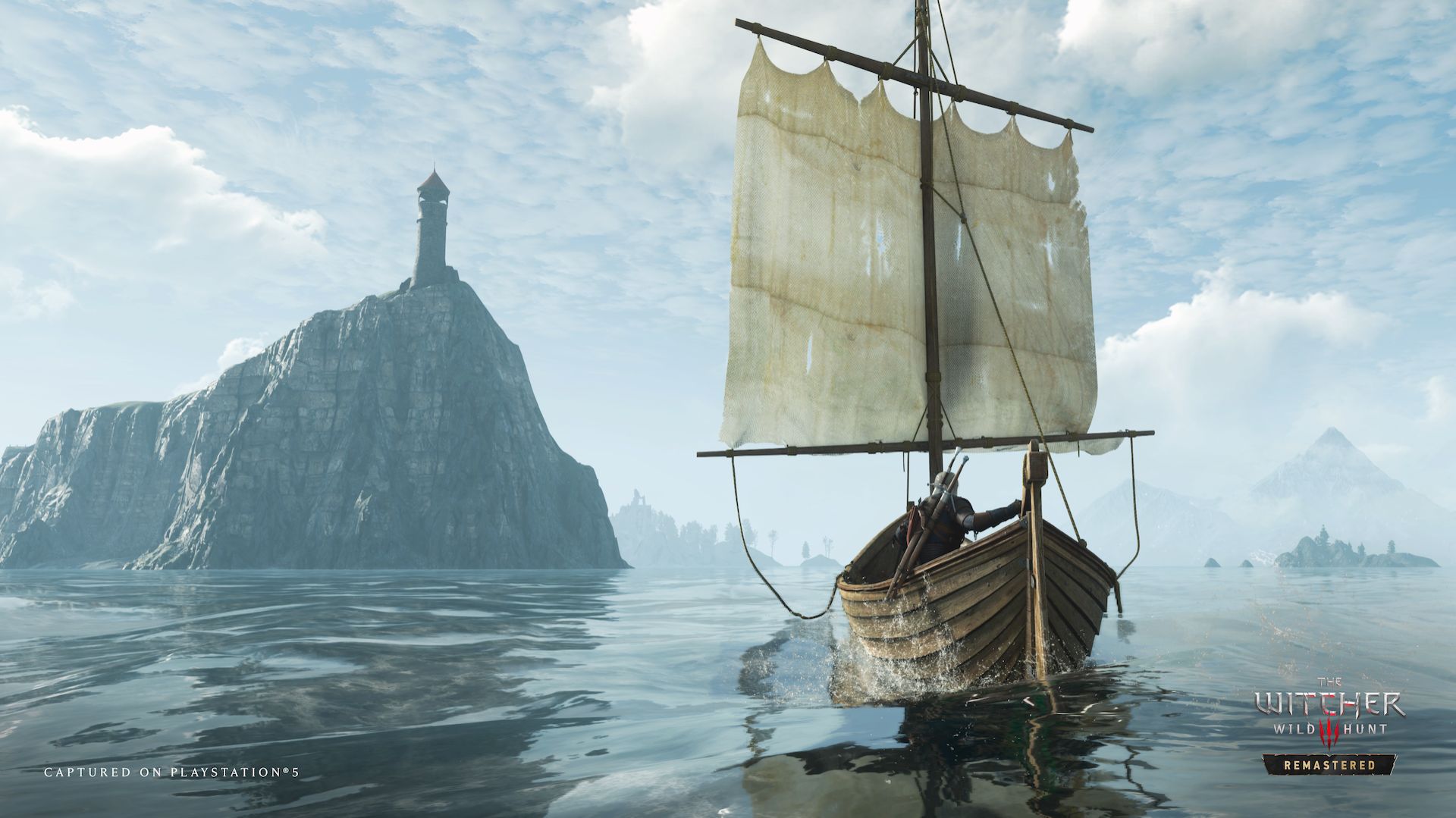
Then there’s the atmosphere, and once again, every other title stands out in its own right. The inherent danger and wonder of The Lands Between can’t be compared to Night City’s mix of pizzazz and sleaziness or RDR 2’s depiction of the Wild West, Tsushima’s quiet beauty interspersed with war, or the contrast in Tears of the Kingdom’s different land masses. If anything, The Witcher 3’s atmosphere still holds up against the best. Trotting through environments with Roach, hearing the odd monster or two in places, and of course, hearing “Wind’s howling” never gets old. A draw, overall.
Conclusion
So roughly, each game has its strengths, weaknesses and quirks. Crazy, I know. The Witcher 3 surpasses almost everyone else in terms of story and characters, but falters in combat, though nowhere near as badly as one would think. And where the progression and player freedom aren’t necessarily the best, the world itself is still absolutely incredible to uncover, leveraging the genre’s fundamentals to encourage curiosity, even if it can be dangerous.
To that end, considering everything, I would place The Witcher 3 Remastered below Red Dead Redemption 2 and Elden Ring, on par with Cyberpunk 2077 and The Legend of Zelda: Tears of the Kingdom, and above Ghost of Tsushima. Your mileage, as always, will vary. Someone may prefer a deeper, more mature story with a greater focus on dialogue and characters. Others may want to be left alone to explore and take in the world, and still others may settle for nothing less than the very best in combat.
Whichever you may prefer, The Witcher 3: Wild Hunt remains a must-play experience, especially today. As much as it shows how far the genre has come, it’s also a stark reminder of its importance over a decade later.
Note: The views expressed in this article are those of the author and do not necessarily represent the views of, and should not be attributed to, GamingBolt as an organization.