





Revisiting childhood favourites decades after they first released can be an odd experience. Sometimes, games you remember being great still hold up and have aged pretty well. But other times, you end up wondering whether you ever actually enjoyed them in the first place, or whether you are just looking back through rose tinted glasses.
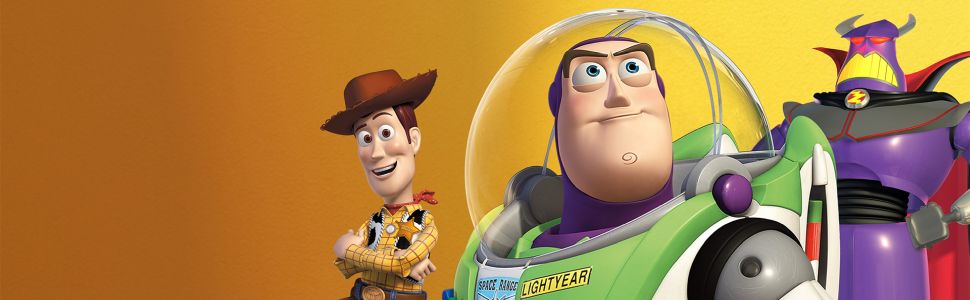
Toy Story: Retro Roundup offers moments of both. This collection brings together a selection of games based on Pixar’s iconic animated franchise, alongside A Bug’s Life and a few additional extras too.
"Having grown up playing these games, I was curious to see how they held up nearly thirty years later."
Having grown up playing these games, I was curious to see how they held up nearly thirty years later. Now that I have a one-year-old son who also loves Toy Story, there’s an additional layer to revisiting these titles from an adult perspective. Unfortunately, while there’s plenty of nostalgia here, the actual quality of enjoyment varies wildly as you go through the different releases, and the collection’s presentation could also be smoother.
The original Toy Story for Game Boy is a particularly rough experience to revisit in 2026. The game feels very primitive. Once you settle into its rhythm, there is a serviceable side-scrolling platform game here, but the gameplay is basic, the visuals are quite ugly in widescreen, and the input lag is hard to get used to.
"These are still products of their time, and anyone expecting actual fluidity or sophistication like that of a modern platformer will be disappointed."
Seeing older games like this being preserved and made available for the current generation is great, but it’s difficult to imagine many players willingly spending much time with this version when better alternatives are available in the same collection.
Thankfully, the Sega Genesis and SNES versions are more enjoyable. After playing the Game Boy version, they almost feel modern by comparison. They’re decent enough games once you find your rhythm, even if neither version is up to par with the best platformers of the era.
These are still products of their time, and anyone expecting actual fluidity or sophistication like that of a modern platformer will be disappointed. Nevertheless, there’s enough here to make them worthwhile for hardcore Toy Story fans, particularly those interested in seeing how the games evolved as gaming hardware became more powerful.
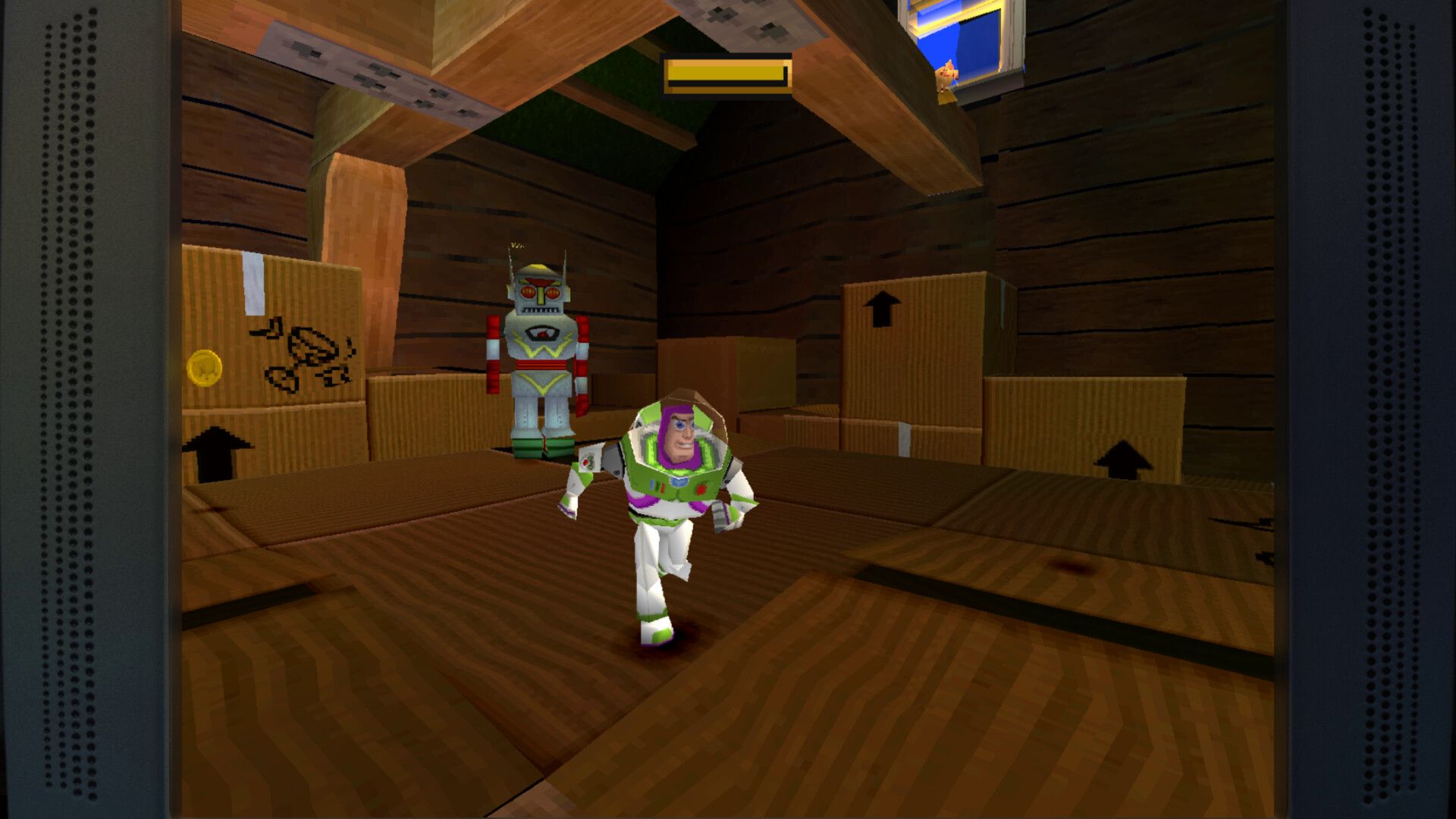
The highlight of Retro Roundup is undoubtedly Toy Story 2: Buzz Lightyear to the Rescue on PS1. It still holds up remarkably well, offering a charming 3D platforming adventure that remains fun to play more than 25 years after its original release.
A variety of environments helps keep the game feeling fresh as you play through it, even when the actual gameplay mechanics begin to feel a bit stale. Exploring each area, completing the list of objectives and collecting hidden items provides a satisfying rhythm.
Sadly, the camera is still a nightmare to contend with. It’s one of those unfortunate reminders of how much 3D platformers have evolved since the PS1 era, and there are moments when the camera makes navigating the environment far more frustrating than it should be. Even so, the platforming feels a lot more forgiving than I remember it being 27 years ago.
The fact that actual voice acting is a feature here makes it feel like even more of an upgrade over the first Toy Story game. Many of the characters feel authentic to their movie counterparts, although it is pretty obvious which actors returned and which were replaced by soundalikes. The cast members who do return help preserve the connection to Pixar’s previously established universe, making this title feel like more than just a lazy licensed game.
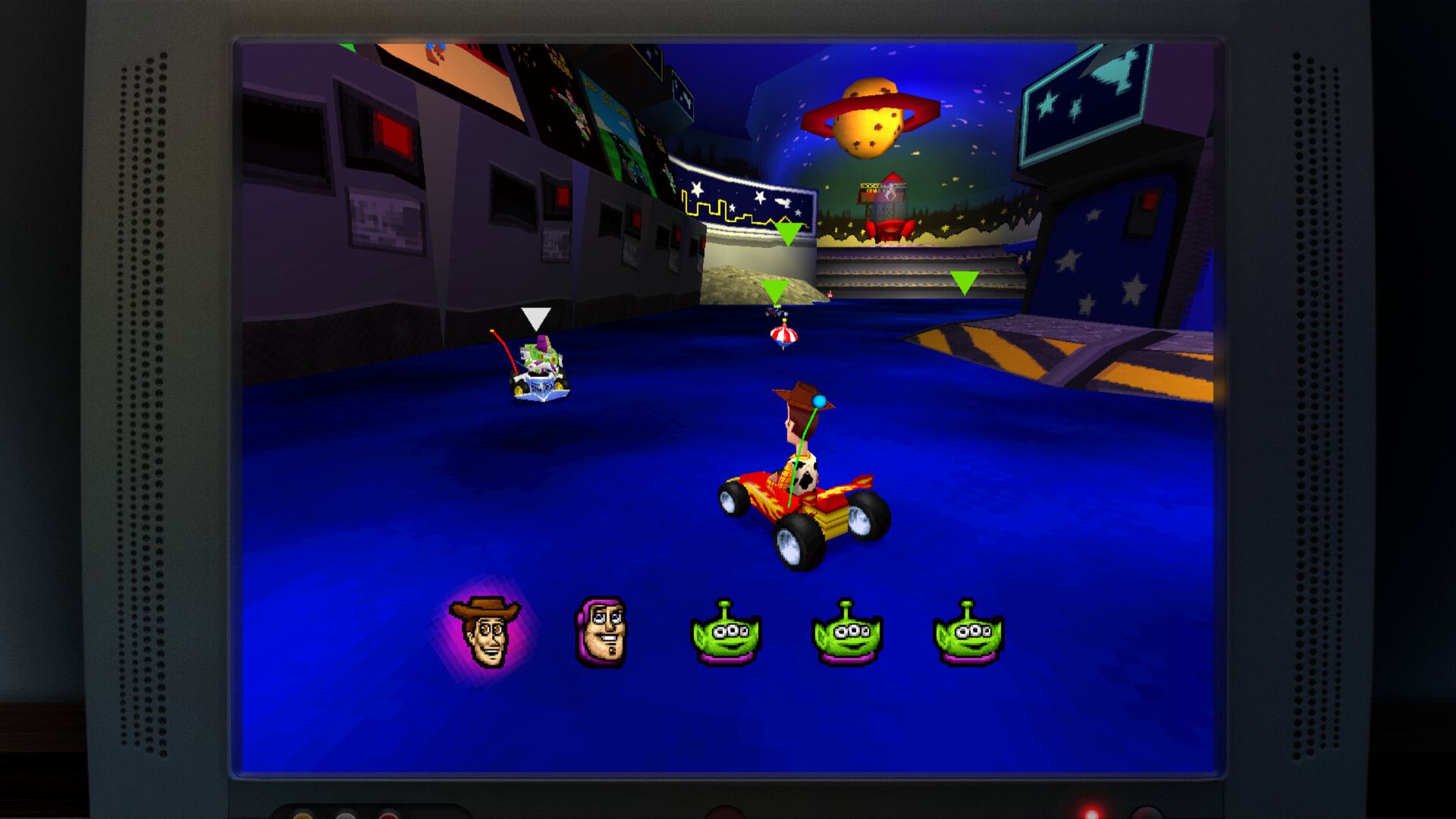
"The fact that actual voice acting is a feature here makes it feel like even more of an upgrade over the first Toy Story game."
On a sidenote, this was also my one-year-old son’s favourite game in the collection. There’s something pretty special about revisiting a childhood favourite while watching your own child enjoy the same characters, even if he isn’t quite old enough to appreciate the finer points of its platforming mechanics.
The Game Boy Colour version is a different proposition altogether. It’s fascinating to see how developers once created entirely different games for different platforms rather than simply scaling down the same release. As a piece of gaming history, its inclusion is interesting. However, I’m not convinced many people were clamouring for the opportunity to revisit this particular version on modern consoles.
Buzz Lightyear of Star Command on PS1 is another enjoyable inclusion, although it doesn’t quite reach the level of quality of Buzz Lightyear to the Rescue. Its art style is distinctive, and its weapon-based gameplay feels like an early glimpse of ideas that would later become familiar in games such as Jak and Daxter and Ratchet & Clank.
The Game Boy Colour version is considerably less fun to revisit. While its colour palette is pleasant on the eyes, the moment-to-moment gameplay simply isn’t much fun, making this another release that’s difficult to recommend beyond the novelty of having it preserved.
Toy Story Racer was entirely new to me, so I approached it without the same nostalgic attachment as the other games. Thankfully, I found it to be decent fun. It isn’t the best kart racer on PS1 by a long shot, but the gameplay loop is enjoyable. I enjoyed that it actually felt quite challenging to master but the Rewind feature does make it a lot more forgiving when you make a mistake, which saves you having to restart the whole race.
The Game Boy Colour version is another pleasant surprise. Its 2D perspective takes a little getting used to, but there’s still some enjoyment to be found here. Its inclusion means that not every handheld adaptation in the collection is a complete write-off.
Finally, there’s A Bug’s Life, which I had never played before. The PS1 version shares a few similarities to Toy Story 2 in terms of its gameplay, but it doesn’t quite match the same level of enjoyment. With that said, it is still a welcome bonus.
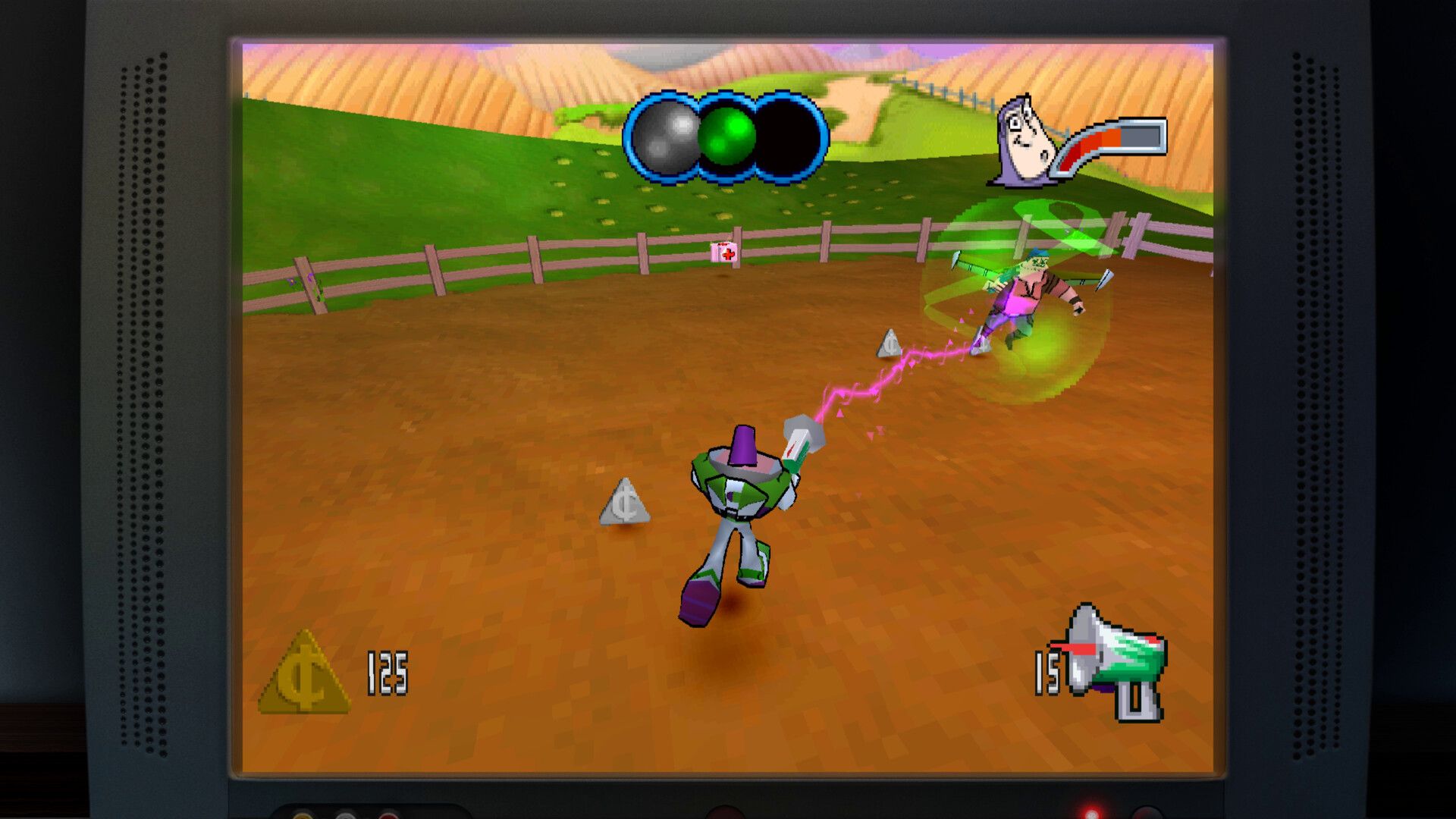
"Buzz Lightyear of Star Command on PS1 is another enjoyable inclusion"
The Game Boy Colour version is not quite as welcome. It’s another example of how difficult some of these older releases can be to enjoy today. While its inclusion here adds to the value of the overall package, the gameplay is tough to stomach in 2026.
There’s a fascinating snapshot of licensed gaming history here, but jumping between such wildly different experiences can feel jarring. Some games remain genuinely enjoyable, while others are better appreciated as historical curiosities.
One of Toy Story: Retro Roundup‘s biggest strengths is the sheer amount of content included. With the inclusion of multiple games spanning different platforms, additional material such as cool concept art to look at, and that sweet hit of pure nostalgia, there’s plenty here that makes the asking price feel worthwhile.
Rex’s Cheat Codes are also fun to play with. These allow the player to select any level from each game from the outset, removing the need to replay entire sections of a game just to revisit a specific moment. It is a simple quality-of-life improvement, but one that makes a meaningful difference when revisiting games that were originally designed around the technical limitations of their time.
The Rewind function is also a fun addition. It effectively turns these games into Prince of Persia: The Sands of Time, allowing you to undo mistakes rather than being punished for every misstep. It’s particularly useful when dealing with some of the more frustrating platforming sections, and it makes the collection more approachable without fundamentally changing the original games.
Not all of the additional features are as pleasant though. The CRT filter is enabled by default, and frankly, it’s horrendous to look at. I understand the appeal of recreating the look of an old television, but making this the default experience feels like a baffling decision. My advice is to switch it off immediately and enable widescreen. Neither option magically transforms these games into modern releases, but the results are considerably more visually appealing.
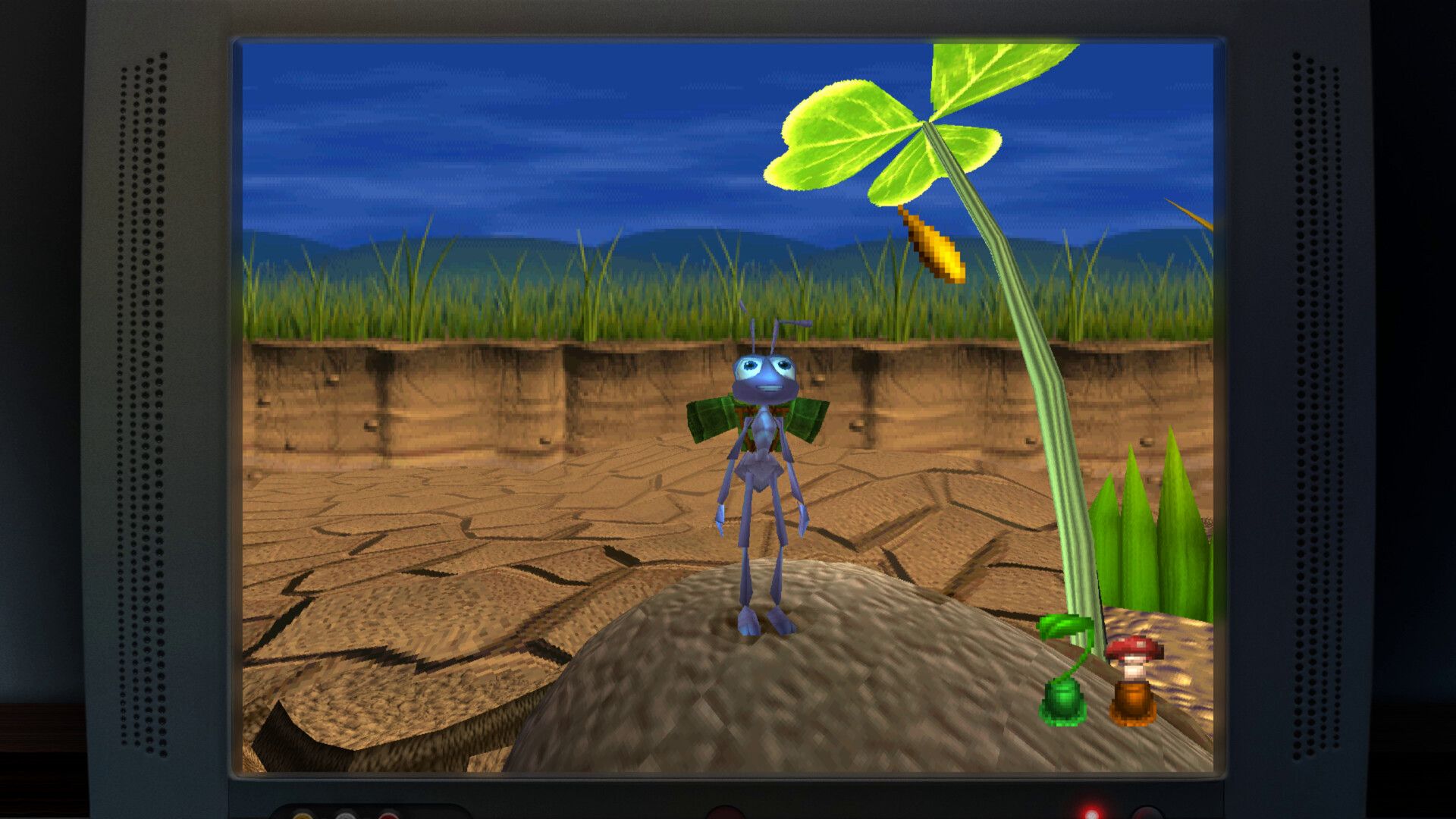
"The Rewind function is also a fun addition."
It does leave me wondering whether the filter being enabled by default was a choice made to help hide the primitive feel of the original visuals. These are old games, and nobody expects them to look cutting-edge, but the collection could have added a lick of paint to make them less off-putting to play on modern displays.
The audio in places is also disappointing. Movie clips and cutscenes still suffer from compressed sound that can peak and become fuzzy. It’s a shame that this issue hasn’t been addressed, particularly when the films’ dialogue and music are such an important part of the experience.
None of these problems makes the games unplayable. Technically, the collection is functionally sound, and having all these releases available on PS5 in one package is far from a bad thing. If you grew up with these games, there’s genuine value in revisiting them through a modern lens. Toy Story 2 on PS1 remains the standout, while Toy Story Racer and Buzz Lightyear of Star Command provide enjoyable diversions.
I do wonder how much appeal these games will have for younger players accustomed to more contemporary releases. My son might love Toy Story, but that doesn’t necessarily mean every game based on those characters will hold his attention.
Ultimately, Toy Story: Retro Roundup succeeds as a preservation effort. It’s great to have these games playable on modern consoles in one convenient package. There’s plenty of content here, and some of it remains genuinely enjoyable, but a little more care could have turned a fun nostalgia trip into something even more special.
This game was reviewed on the PlayStation 5.
Toy Story 2 remains a charming, rewarding platformer. Broad selection preserves console and handheld gaming history. Rewind makes frustrating sections easier to overcome. Rex’s Cheat Codes provide immediate access to favourite levels. Concept art and bonus material strengthen the package’s value.
Several handheld entries offer little beyond historical curiosity. Toy Story 2’s troublesome camera still disrupts exploration. Unappealing default CRT filter and compressed audio disappoint.