






Some free to play games have a bad rap, and it’s not just because of their monetization. The storytelling, world-building, dialogue – all of these things can bring one down faster than you can say “oratrice mecanique d’analyse cardinale.” However, throughout the past several years, certain games have been held up as not only an example of generosity but also detailed world-building and their incredible art direction. It’s just the barrier for entry involves trudging through the early story bits to get to the good stuff, and well, the gameplay.
Cue the least obvious segue into Arknights ever, and as beloved as it’s been for its community, the tower defense formula isn’t for everyone. That’s one of many reasons why Arknights: Endfield has been so anticipated, especially for those who know the brand but want something more high-budget and action-packed. And Endfield sort of delivers on that promise with many caveats, and even then, it has a long road ahead before being able to compete with the best.
"It’s weird because Hypergryph already offered a more compelling amnesiac set-up in Arknights. But no, our Endmin is as cool as a cucumber and about as flavorful in the early going."
Forget what you know about the Doctor – this time, it’s the Endministrator who’s the prerequisite saviour, capable of harnessing Originium (which certainly isn’t a concerning substance at all) to bring order to Talos-2. Set more than 150 years after Arknights, the Endmin’s tale begins 10 years after they went into hibernation – only to reawaken with no memories, everyone’s favorite trope. Obviously, this is meant to educate you on the world while keeping the plot moving, and teaching everything about the combat and Automated Industry Complex (or AIC) as they uncover more information about this vast, untamed world.
The problem is that after an ambiguous but still compelling opening, Endfield’s plot feels uninteresting and low-stakes. Keep in mind that this is with Catastrophes that have wreaked havoc across the moon’s surface, dangerous Aggeloi created by Anchors dropping from the sky, and a bandit group known as the Landbreakers, who have become better organized under the mysterious Nefarith.
And it’s not just because you’re stopped every so often for extensive conversations that could be summed up in a few lines to keep the pace rolling, or the fact that key information is repeated only seconds later. The writing itself sometimes feels too sterile. As excellent as the voice cast can be, whether it’s Chen Qianyu’s enthusiasm or the gruff Wulfgard, they can only do so much when the material isn’t flowing naturally, not feeling like how people would actually speak, or – even worse – just full of a bunch of extraneous details for the sake of fleshing out this setup.
Call it the curse of the genre, especially for a title like this, which is trying to flesh out an entire new world, systems, antagonists, mysteries, etc (especially while offering some connection to the original Arknights). However, years of memories lost, and the Endmin isn’t freaking out a little, much less experiencing an existential crisis immediately after waking up? It’s weird because Hypergryph already offered a more compelling amnesiac set-up in Arknights. But no, our Endmin is as cool as a cucumber and about as flavorful in the early going. Aside from Perlica, whose unshakeable stance can feel a little overdone, at least the other characters show some personality.
Things do improve when venturing to Wuling City, encountering the mysterious Ardashir and learning more about Chen’s past (and why she left), though once again, the dialogue feels unnatural. Not completely stilted or bad – it gets the job done, for sure, and has some notable moments – but not the most compelling or streamlined either.
"I also like how the development team didn’t opt for an open world – not just because it works better with the factory-building, but also due to how much more dense each region feels with content."
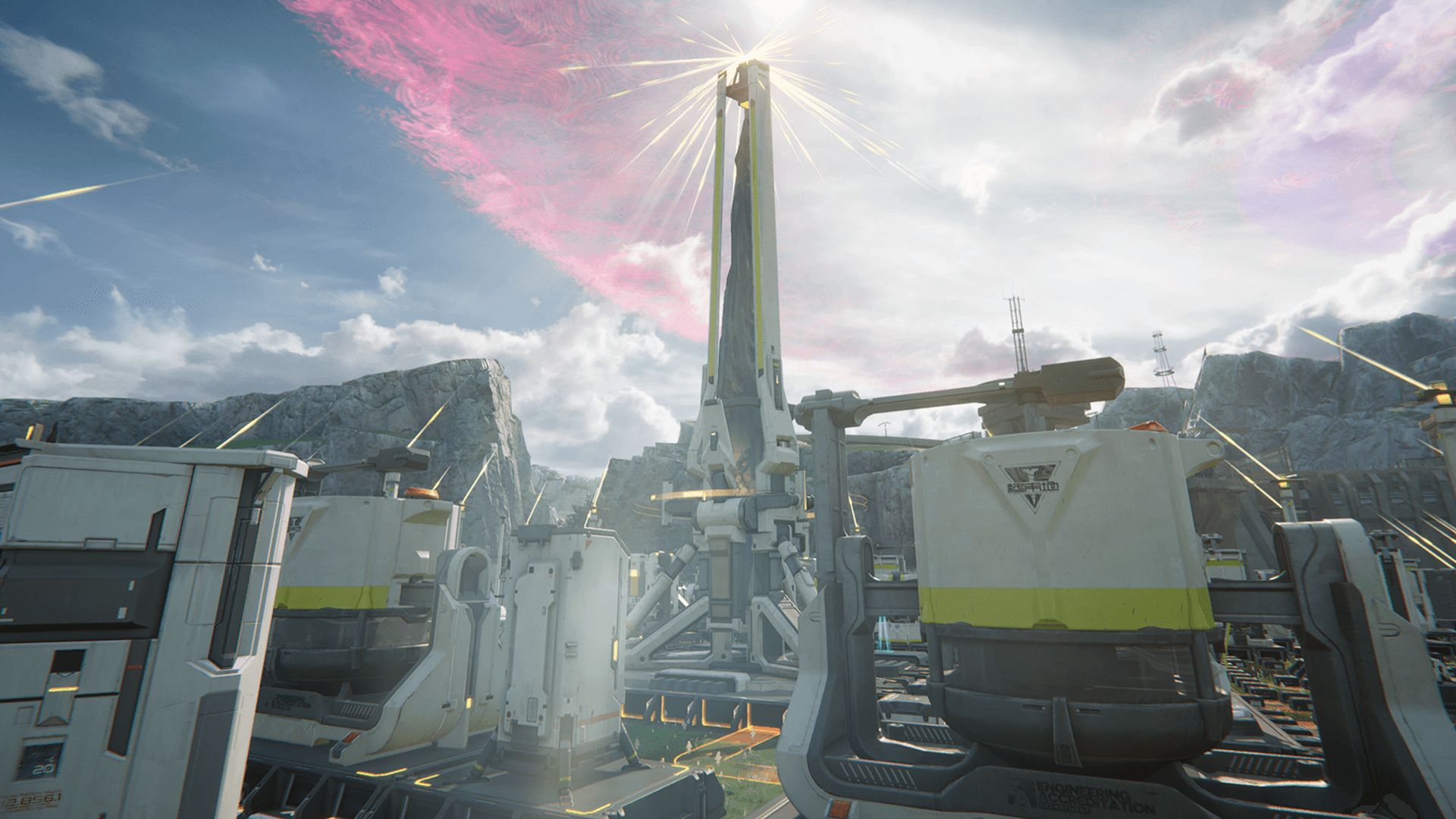
Where Endfield falls short in the writing, it makes up for it in world design and exploration. Oftentimes, the anime art style doesn’t always resonate with some people, but I love how developer Mountain Contour handled it here. Each character retains their anime aesthetic (and is brimming with incredible details and slick animation), but Talos-2 is the real star. Gorgeously rendered, there’s a heavy industrial flavor to the sci-fi trappings, which meshes very well with the wilder aspects in Valley 4. Seeing it twisted due to the Corruption, resulting in various anomalies, just makes it feel more ethereal yet desolate. By contrast, Wuling City is more modern Chinese architecture combined with bamboo trees that feels peaceful, but the heavy, humid atmosphere and its mugginess belie an air of mystery and foreboding.
I also like how the development team didn’t opt for an open world – not just because it works better with the factory-building, but also due to how much more dense each region feels with content. You won’t have to travel far to resolve crises. Some of them involve simply battling waves of enemies, which can become more intriguing at higher levels when you’re focusing on gear for specific stats while leveraging turrets and so on as support. There are puzzles to solve, anomalies to investigate, enemies – both Landbreaker and otherwise – to smack around, facilities to restore, side quests to complete – it’s an impressive smattering of content. Though the puzzles can sometimes feel a little too straightforward, going out and discovering new things is fun. It’s the same feeling as testing your limits in a Satisfactory or Factorio, which brings us to the two core gameplay aspects: Combat and factory-building.
I’ll get the latter out of the way first, since it’s something I enjoyed more. There’s certainly a learning curve here, more so for managing the interface, but the factory-building and automation are good. If you’ve played any of the above games, it will look familiar – collecting resources, refining them, combining them, and so on, managing power requirements, and ensuring everything is running as efficiently as possible.
And while the applications, from producing resources for delivery to crafting your own gear, are manifold, you also branch out into the greater world with your creations, almost Death Stranding style. Constructing ziplines is the most obvious comparison, but you’ll also want to create relays to extend the AIC’s power to open closed-off sections and access chests, repair recyclers, and construct autonomous drills while you’re off gathering. And if you’re keen on the early going to mine yourself, good news – your party members help out, which is a great quality of life feature.
"Would I still recommend Arknights: Endfield, even with these caveats and the factory-building, which everyone may not gel with? Sure, especially with how many more systems there are to dive into, from building bonds and gifting characters to Artificing and truly min-maxing your gear."
As intimidating as the factory-building, which doesn’t quite reach the complexity of its peers, could be for some, there is an extensive array of tutorials available, and more than a fair number of rewards to obtain (especially in Region Management). I am a little worried about how Mountain Contour will stick to it in the long run, but the number of ways to expand on it is endless, from introducing new resources and structures to different challenges.
Unfortunately, that now brings us to one of my least favorite aspects of Arknights: Endfield – the combat. To preface, it’s not…bad, per se, but it is very repetitive, often boiling down to attacking enemies and then activating whatever combos become available. Oh, you can inflict different kinds of elemental statuses and Bursts, the latter dealing more damage, and crafting your team around both of those is the key (even if it means an overall restrictiveness to compositions – at this point, mono-element teams offer the best chance at success).
But the actual gameplay just doesn’t require any real tactical considerations. Unleash your party’s skills or Ultimates whenever available – it all results in the same loop, and that’s true whether you’re playing at level 20 or level 60. Don’t get me wrong – it can feel satisfying, and the addition of dodging helps ensure that Skill Points flow more readily while encouraging more reckless behavior. And yet, it needs some actual strategy to really shine.
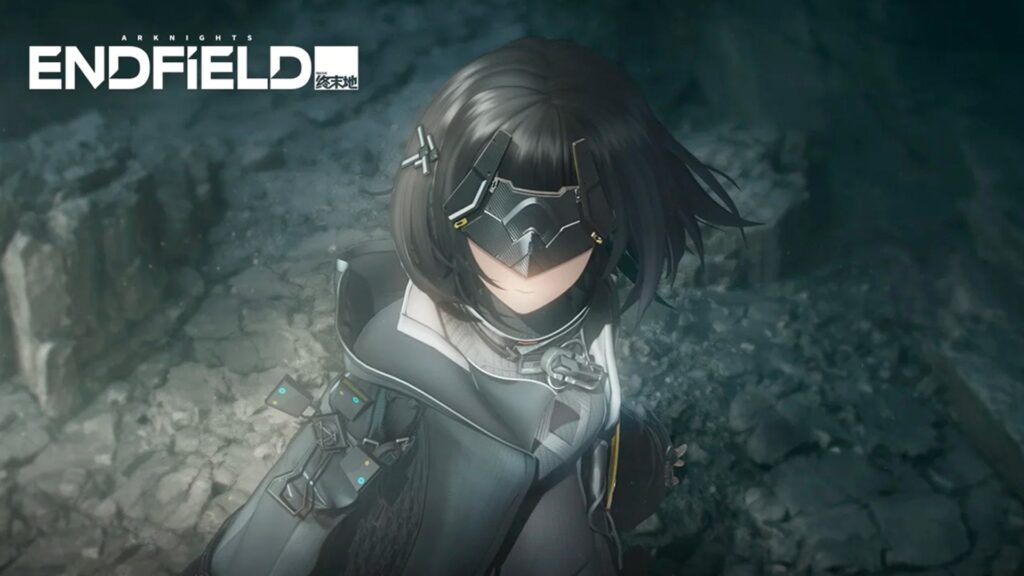
Would I still recommend Arknights: Endfield, even with these caveats and the factory-building, which everyone may not gel with? Sure, especially with how many more systems there are to dive into, from building bonds and gifting characters to Artificing and truly min-maxing your gear. Just don’t expect too much from the combat, and prepare to really give the story time to become compelling. Even when not compared to other games, it’s an intriguing mix of action-RPG gameplay, automation and exploration with a stunning presentation. Whether it can build on all that to deliver something truly special within the space remains to be seen.
This game was reviewed on PC.
Gorgeous visuals and aesthetic with a distinct sci-fi feel. Semi-open world regions are fun to explore and packed with content. Factory-building system is easy to get into and expertly intertwines with the core premise. Excellent music.
Story-telling can feel slow in paces with rough dialogue in others. Characterization, especially for the protagonist, isn't the most compelling. Combat feels repetitive and lacks any real strategy.