






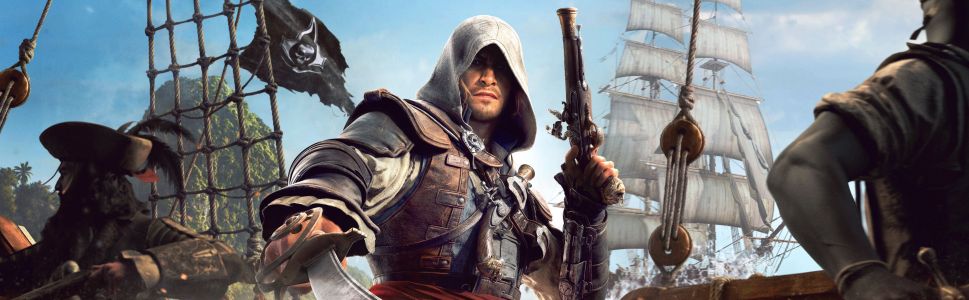
Assassin’s Creed Black Flag Resynced is an ambitious attempt by Ubisoft to bring one of the most celebrated entries in the franchise to a modern audience. The remake comes with completely-overhauled visuals, and even a few gameplay elements. Various members of its development team were kind enough to discuss the processes that went into making the remake.
Black Flag is a much-loved classic. How did the team balance staying faithful to the original game while making the changes needed for a modern remake?
Richard Knight (Game Director, Ubisoft Singapore): The first step in modernizing a game like Black Flag is to respect and understand the original game. This came in a lot of ways, such as playing the original game again, rebuilding features from the ground up, talking to members of the original development team, and looking into the code of the original for the hidden details. But when we needed to make changes, we had two key rules:
- What would Edward Kenway (the protagonist) do?
- What would Jean Guesdon (the original Creative Director) do?
Ultimately what we mean here is that we put changes and new elements through these questions to understand if they “fit” with the flavour of the original game, or if they stray. If it feels like something Edward would do, and it fits with the nature of Black Flag? It’s probably a good modification. If it strays too far from one of those, then we set it aside.
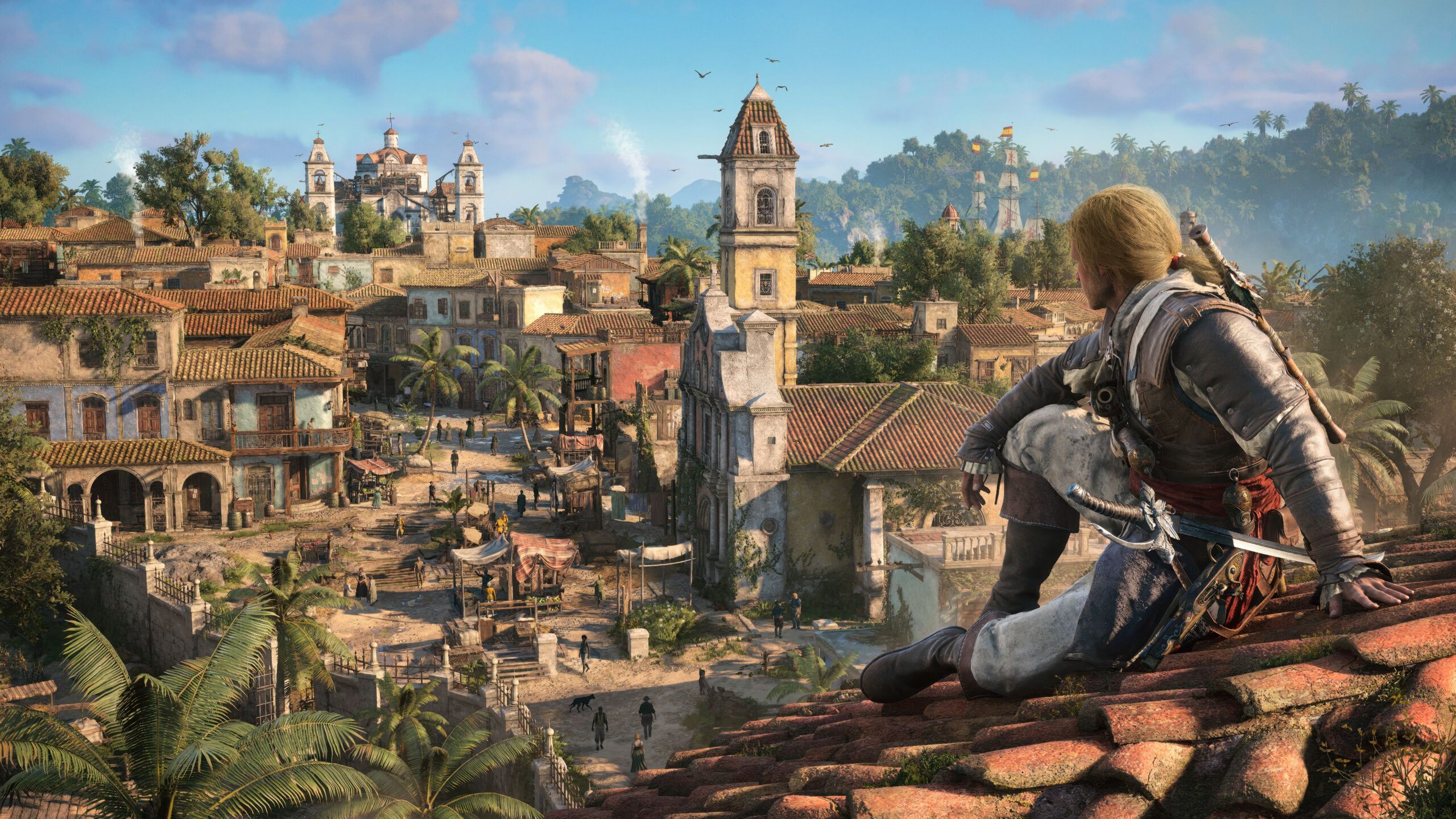
"The first step in modernizing a game like Black Flag is to respect and understand the original game."
What were Ubisoft Pune / India’s key contributions to Assassin’s Creed Black Flag Resynced?
Ganesh Chandrasekaran (Associate Producer) and Shubhrayu Dey (Senior QC Lead): Ubisoft India played a substantial, cross-functional role in the development of Assassin’s Creed Black Flag Resynced, contributing across Production and Quality Control. Across the studio, teams contributed to multiple disciplines: 3D art, architecture, props, ships, level design, level art, tech design, audio, VFX, animation, cinematics, gameplay programming, and tools programming. This reflects the breadth of capability within Ubisoft India, from crafting world assets and gameplay spaces to developing the tools that support efficient production at scale.
The production side included world-building naval gameplay, art, technology and quality assurance. The team took ownership of nine locations, seven main quests, two complete sequences of Templar Hunts, and five Assassin’s Contracts. This contribution helped shape both the scale of the world and the experiences players encounter as they explore, progress through the story, and engage with the wider pirate fantasy.
The Ships team also had a major role in bringing the naval experience to life. The team worked on all enemy ships and contributed to the Jackdaw, one of the game’s most recognisable and central gameplay elements.
Quality Control was another defining area of contribution. Ubisoft Pune served as the lead QC studio for the first time on an Assassin’s Creed title, with responsibility spanning the complete functionality QC of all game areas. The QC team also supported LENS, automation and data-led testing practices, world testing, walkthrough support, speedrun tracking, and building dashboards that enabled clearer test strategy. Alongside this, the QA and QC teams held significant mandates in ensuring the experience was consistently tested, validated and polished across its many systems and content areas.
Overall, Assassin’s Creed Black Flag Resynced demonstrates Ubisoft India’s ability to take meaningful ownership across creative, technical, production and quality disciplines—while contributing key content and systems to a global Assassin’s Creed production.
How did Ubisoft Pune / India collaborate with Ubisoft Singapore and other global teams, and what helped the studios stay creatively aligned across disciplines and time zones?
Chandrasekaran and Dey: Collaboration with the lead studio Ubisoft Singapore and the wider global team was built around a clear creative vision established from the outset. We aligned early on the four core pillars that defined the experience, and those pillars became a consistent reference point for every discipline—from mission design and art to tech, ships, and quality. That clarity helped us make sharper scope decisions, focus effort on work that served the intended player experience, and avoid spending time on ideas that did not fit the overall direction.
Our ways of working were also deliberately collaborative rather than purely hand-off based. Directors and leads made themselves available for regular discussions, ensuring teams could resolve questions quickly and retain the creative intent behind decisions. Regular in person visits at studios added another layer of alignment as well as oversight, allowing teams to review work together, build stronger working relationships, and address complex creative or production topics more effectively than through calls alone.
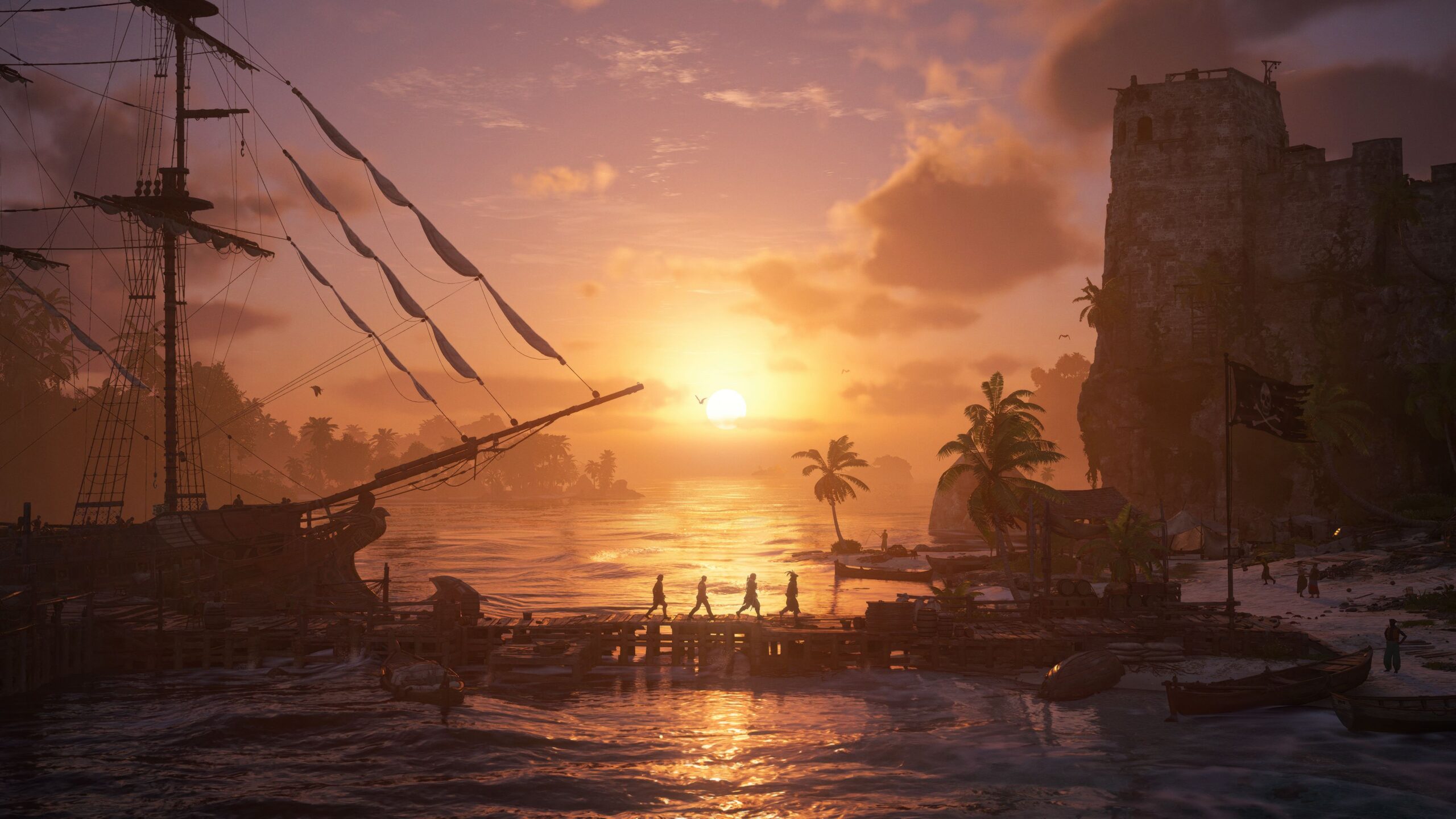
"Our ways of working were also deliberately collaborative rather than purely hand-off based."
The relatively small time-zone difference between Pune and Singapore was a practical advantage. It made day-to-day communication easier, allowed for more overlapping working hours, and helped teams maintain momentum without lengthy delays in feedback or decision-making. Regular calls, clear ownership across teams, and shared planning rhythms ensured that dependencies were visible and progress remained coordinated.
Being located in Asia, there was also a strong cultural familiarity in the way the teams worked. Similarities in work culture across the region, combined with previous collaboration between the studios, meant there was already a foundation of trust and an understanding of how to work together effectively.
Ultimately, creative alignment came from combining a disciplined vision with frequent communication and genuine cross-studio partnership. Everyone understood not just what they were building, but why it mattered to the larger experience—and that made it possible for teams across disciplines and locations to move in the same direction.
How did working with the latest Anvil engine affect development, and what were the biggest technical learnings or challenges for the India team?
Chandrasekaran: Working with the latest Anvil engine was a significant learning opportunity for Ubisoft India. For many members of the content teams, this was their first time working with Anvil, so the journey involved building familiarity with the engine from the ground up while contributing directly to the project.
A major advantage was the depth of expertise already available within Ubisoft Singapore, which has worked with the Anvil pipeline for more than a decade. That established knowledge repository gave our teams a strong foundation to learn from, whether through shared documentation, reviews, or day-to-day collaboration. Being in closely aligned time zones also made a real difference, as teams could resolve questions quickly and keep development moving without long feedback cycles.
The biggest challenge was understanding the engine’s nuances and the specific ways it responds to different gameplay requirements. These are not always things that can be understood purely through documentation; they require hands-on iteration, testing, and close collaboration with teams that have deeper experience with the technology.
That learning curve was demanding, but ultimately very rewarding. It helped our teams build stronger technical confidence, understand the relationship between creative vision and engine capabilities, and develop skills that will be valuable well beyond this project.
Whether players are returning to Black Flag or discovering it for the first time, what experience, feature, or feeling do you most want them to take away from Resynced?
Knight: Freedom. The spirit of Black Flag has always mirrored Edward himself, that ability to freely play the game as a Pirate, Assassin, or both in any measure, as you will. We hope the world of the Caribbean is one you will explore in your own way, with your own touch, whether you are trying to find the right way to assassinate an enemy or if you just plan to spend a weekend sailing the seas and singing shanties. Ultimately, it should be up to you!
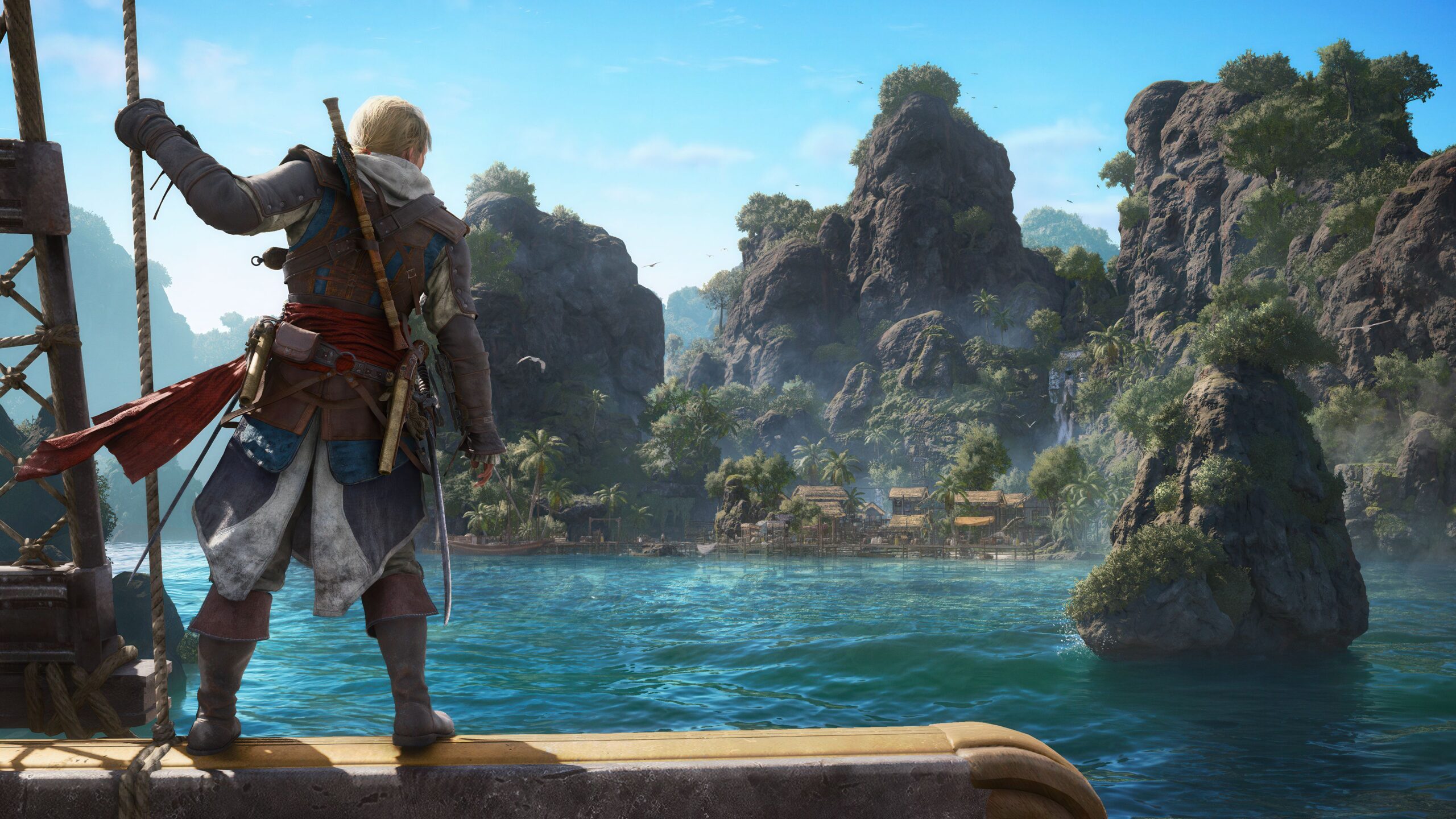
"The spirit of Black Flag has always mirrored Edward himself, that ability to freely play the game as a Pirate, Assassin, or both in any measure, as you will."
For the Pune developers personally, was there a moment during development where the game suddenly felt like Black Flag again, not just a project?
Chandrasekaran and Dey: Honestly, it felt like Black Flag from the very beginning—not only at one defining moment during development.
The team spent a great deal of time with the original game as part of the process. We played it extensively, completed it multiple times, and kept reference save files on hand throughout production so we could revisit specific moments, locations and gameplay features whenever needed. That gave everyone a very direct connection to what made the original experience memorable.
There were also team members who had worked on the original Assassin’s Creed 4: Black Flag, which brought an additional layer of continuity and perspective. For them, and for the many people who had grown up playing the game, this was never just an abstract production assignment.
Of course, there were always technical milestones and moments when a location, mission or system came together in a particularly satisfying way. But the emotional connection was present throughout. Our team knew the world, the characters and the player fantasy deeply, so even while solving production challenges, it consistently felt like contributing to a game and a franchise they genuinely cared about.
Is there a specific feature, sequence, location, visual detail, or technical improvement in Resynced that the Pune team is especially proud of, but players might easily take for granted?
Chandrasekaran: One area we are especially proud of is the work that helps make the Caribbean feel alive—even in moments players may not consciously register as a distinct feature. That includes details such as the ambient animal sounds across the world. It may seem subtle, but sound plays a major role in making each location feel inhabited and believable. These layers help create a stronger sense of place as players move through the islands, coastal areas and settlements.
We also contributed new content that expands location exploration and gives more narrative context to the world. The intention was to make players feel the living world around them— that these are not simply spaces built for missions, but places with their own atmosphere, tensions and stories. Designing and implementing those narrative touches required a great deal of care, because they need to add meaning without interrupting the player’s sense of freedom and discovery.
Another area is cinematics. Ubisoft India worked on cutscenes, along with a small amount of motion-capture work supporting those sequences. Cinematic work is often something players experience as part of the larger story, without necessarily seeing the many individual contributions behind it. But every shot, performance and transition has to work together to preserve the emotion, pacing and character of the Assassin’s Creed experience. These are the kinds of contributions that may not always be called out individually, but they are essential to the overall feeling of the game. When players say that the world feels immersive, lived-in and true to the pirate fantasy of Assassin’s Creed Black Flag Resynced, that is where this work really shows its value.