






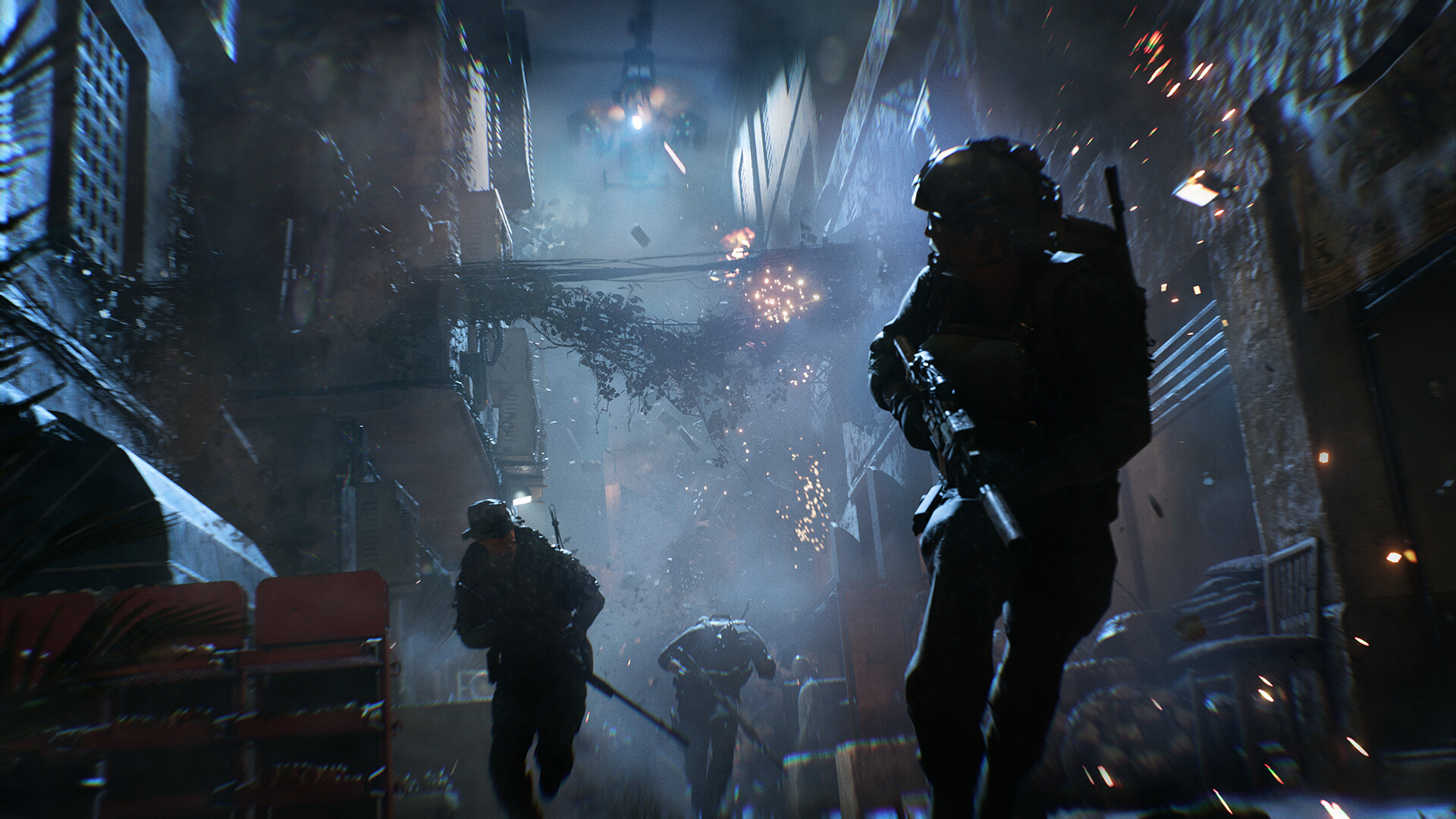
With Battlefield 6 launching in a couple of weeks and reportedly crossing a million pre-orders, there’s been some positive feedback for all versions, especially following the open beta. Considering the number of big titles with problematic performance, such a level of optimization is refreshing in this day and age.
That’s because, as Ripple Effect technical director Christian Buhl told PushSquare, the team never went in thinking of this as a port. “I think in the past, Battlefield’s approach has been: we build a PC game and then we port it to console. The answer this time is we made a deliberate decision very early on that this wasn’t going to be a port. This was going to be something we built at the same time. And there were a couple of things we did for that.”
For Battlefield 6, it created these “huge farms” for constant testing on all console platforms. “But also, we made sure that all of our developers had controllers at their desks. It’s obviously more convenient for me to playtest on my PC when we’re distributing builds, but I playtest with a controller, and we made sure that every developer at their home or in the office has a controller at their desk so that they’re kind of playtesting that controller experience.”
Those playing on PS5 (and who didn’t try the beta) should also note that the DualSense is supported in various ways, from the Adaptive Triggers and Haptic Feedback to the speaker alerting you to missile locks and callouts from other soldiers. Of course, you can turn these off.
Battlefield 6 launches on October 10th for Xbox Series X/S, PS5, and PC. Head here for more details on the frame rates and resolutions for consoles, along with how DICE is handling crossplay. And even if Xbox Series S proved challenging to develop for, it led to improved optimization across the board.