






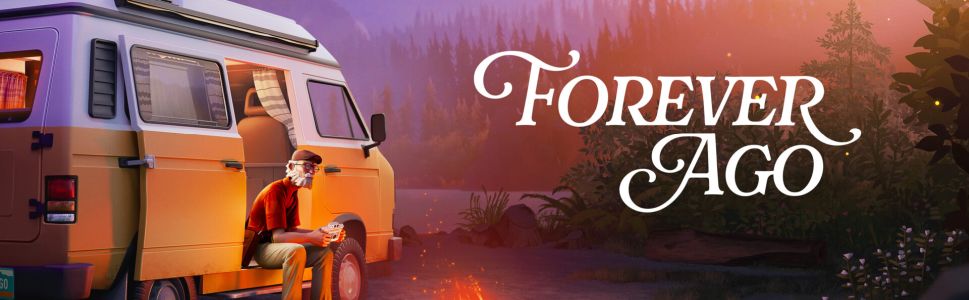
Calling it a stellar year for indie titles would be an understatement. They make up some of the highest-rated offerings among critics and fans alike, whether it’s a co-op adventure like Big Walk, the hidden-object masterpiece Lost and Found Co., or the incredibly charming Mythmatch; I could go on. But as much as some have pushed boundaries and innovated, efforts like Forever Ago stick to a tried-and-true formula, like the narrative-focused adventure with a heavy focus on walking.
Such titles have always drawn extreme reactions – see this year’s Mixtape. Which isn’t to say there isn’t an audience for players who favor the same, but the story and presentation really need to carry it, especially if the gameplay isn’t doing much heavy lifting. Does Forever Ago aspire to those lofty standards? The answer is: Sort of.
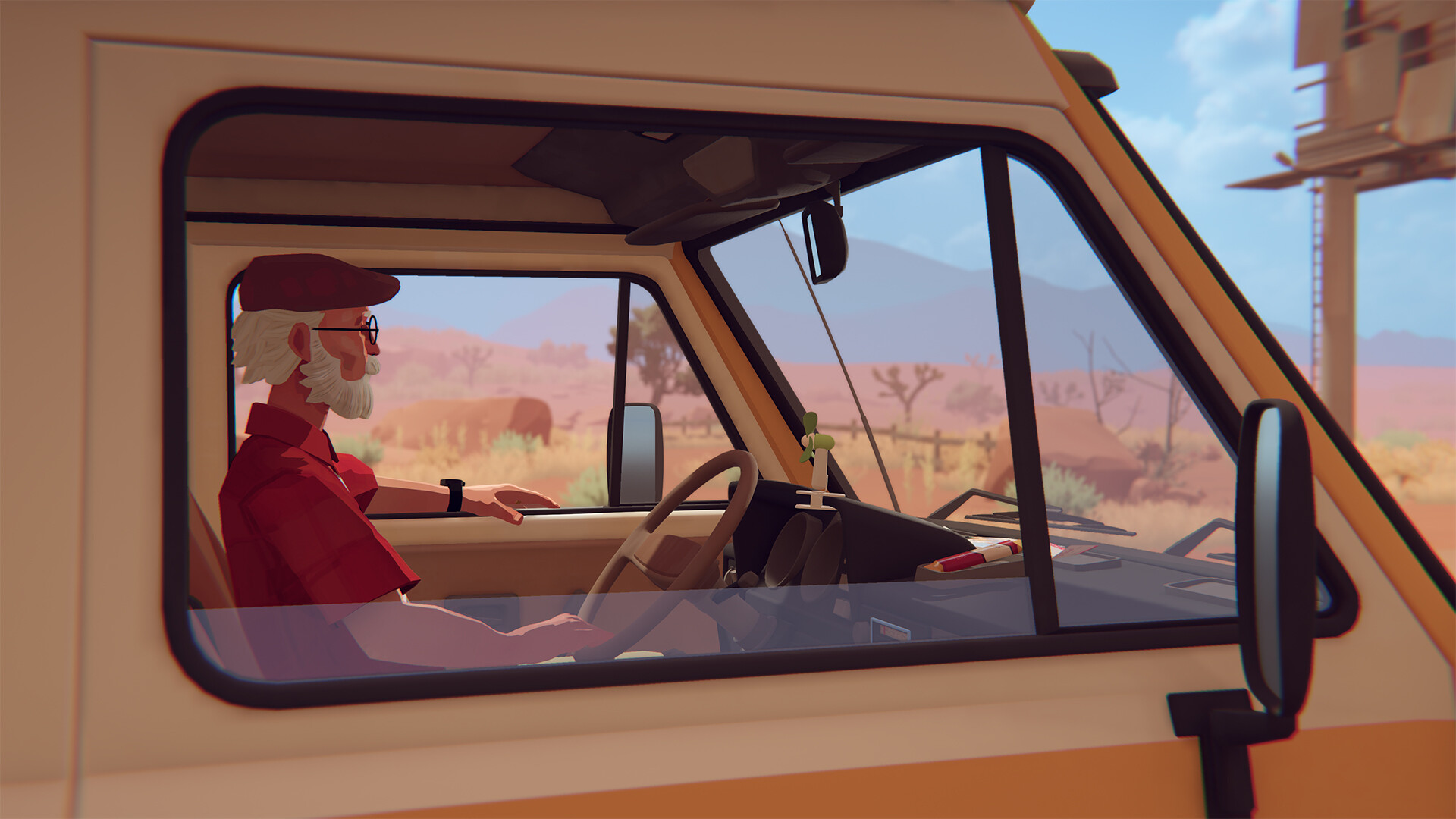
"It’s a fine enough story, and as typical as it may seem, the presentation is top-notch, especially the cinematography and scene composition."
Whether you’ve followed its trailers over the past several months or not, Third Shift’s debut title has been in the works for even longer. By the time Annapurna Interactive signed it in July 2022, development was already underway. As such, the story follows Alfred, an old man on a road trip with a journal and checklist of things to do. Right away, you can somewhat guess his circumstances – it’s spelt out in the first 20 minutes when we’re in 1974, as he’s on a hiking/photo assignment with his friend Audrey. They promise to return to this spot, their photo of youthful exuberance transitioning to a colder, less enthusiastic Alfred, alone, as he seemingly begins his journey.
One can guess a tragedy has occurred, though for what it’s worth, Third Shift doesn’t obviously spell it out. Regardless, we follow Alfred as he retraces their steps over the years, stopping at a gas pump and mart to rendezvous with the local celebrity Carl, only to find out he’s semi-retired and an over-enthusiastic, over-inquisitive youth named Milton mostly runs the store. As Alfred picks up supplies, enduring questions about his road trip, we flashback to 1977 and see how things were with Audrey.
Unfortunately, this sequence is meant more to hint at the potential tragedy she faced than actually showcasing what happened at the pump and mart. With how fervently Alfred wanted their picture, it felt odd not to see what actually went down. Thankfully, this isn’t a common occurrence, as the next stop goes into far greater detail about why the location is so important, and finally gets the plot rolling.
It also highlights another core plot device: Alfred’s character. I know, I know – the plot showcases the contrast between his awkward yet boundless youth, full of promise, and his elderly days, especially in the wake of tragedy when things are not – and will never – be the same. It’s a premise inexorably linked to more than just one’s environment – it’s the very culture they grow up in, shaping their outlook on life. One day you’re taking shelter from the rain inside an old-timey diner, sitting in a booth and soaking in the atmosphere, a jukebox playing in the background. The next, it’s turned into one of many in a restaurant chain, where only members can relive that nostalgia, the jukebox doesn’t work, and they no longer sell those pecan muffins. I get it.
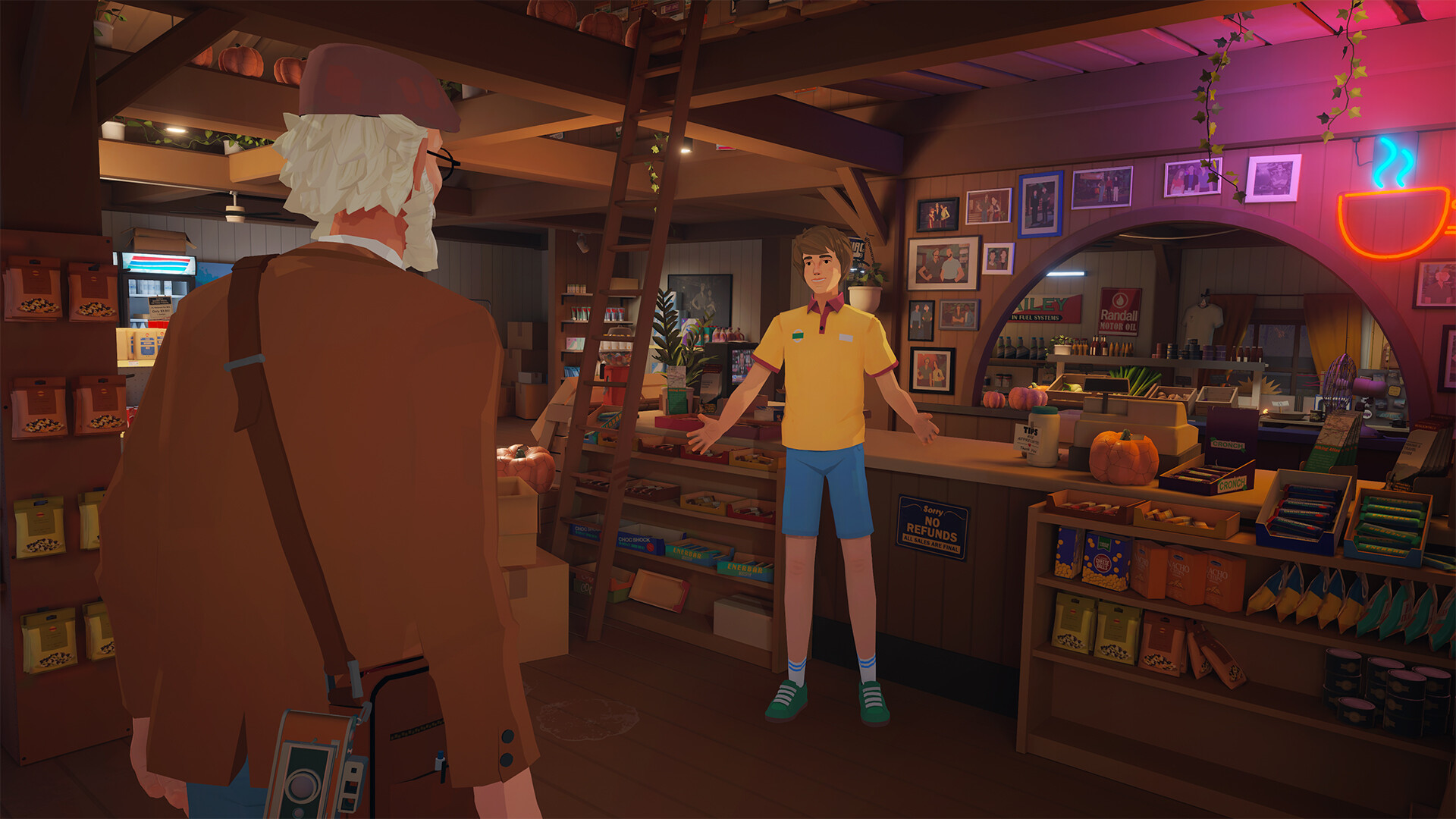
"And while I usually wouldn’t mind walking if it’s tied to exploration, however sparse, or an interactive scene with lots of action, drama or interesting conversation (the overlook in the past is a good example), there are some sequences that are pretty much just…walking."
It’s just that Alfred’s frustration about things not being the same occasionally comes across as irritating, even for someone who’s dealing with a tragedy. I can understand wanting to become a member because he doesn’t want to scan a QR code with his phone, or not responding well to Milton’s annoying inquiries and inability to take a hint. But placing a flower in a glass of water, seeing it wilt, and attempting to prop it back up only for it to wilt again? At that point, I went from sympathizing with his frustration to chuckling at the absurdity, which probably isn’t the intended effect. Regardless, this is all to set up Alfred finding some measure of redemption and looking back at the past without letting bitterness overtake it.
It’s a fine enough story, and as typical as it may seem, the presentation is top-notch, especially the cinematography and scene composition. I also have to credit the voice acting, with Audrey’s being the brightest spot. Her charm and radiance serve as a strong complement to Alfred’s nature, and even in the early going, you can see how her absence would cause him to spiral so badly and come to resent the world.
As for the gameplay…well, there’s quite a bit of walking. Sure, you’ll hop across some rocks. Maybe interact with some petals or pick some flowers, but the main impetus is walking around and occasionally interacting with things. At times, I was fine with this, especially since it shines more light on the surrounding environment and Alfred’s thoughts, including some cute conversations with Audrey, as if she’s right there. However, there are also times when you switch on the TV and an annoying commercial starts playing. Want to back out? Well, you can’t. Want to skip someone droning on about something or advance dialogue? You can’t do that either.
And while I usually wouldn’t mind walking if it’s tied to exploration, however sparse, or an interactive scene with lots of action, drama or interesting conversation (the overlook in the past is a good example), there are some sequences that are pretty much just…walking. At least you can break things up a bit by taking pictures, slotting them into your journal over time, but it’s far from the most feature-packed or gameplay-heavy component. Which is a shame because Forever Ago is a gorgeous-looking game.
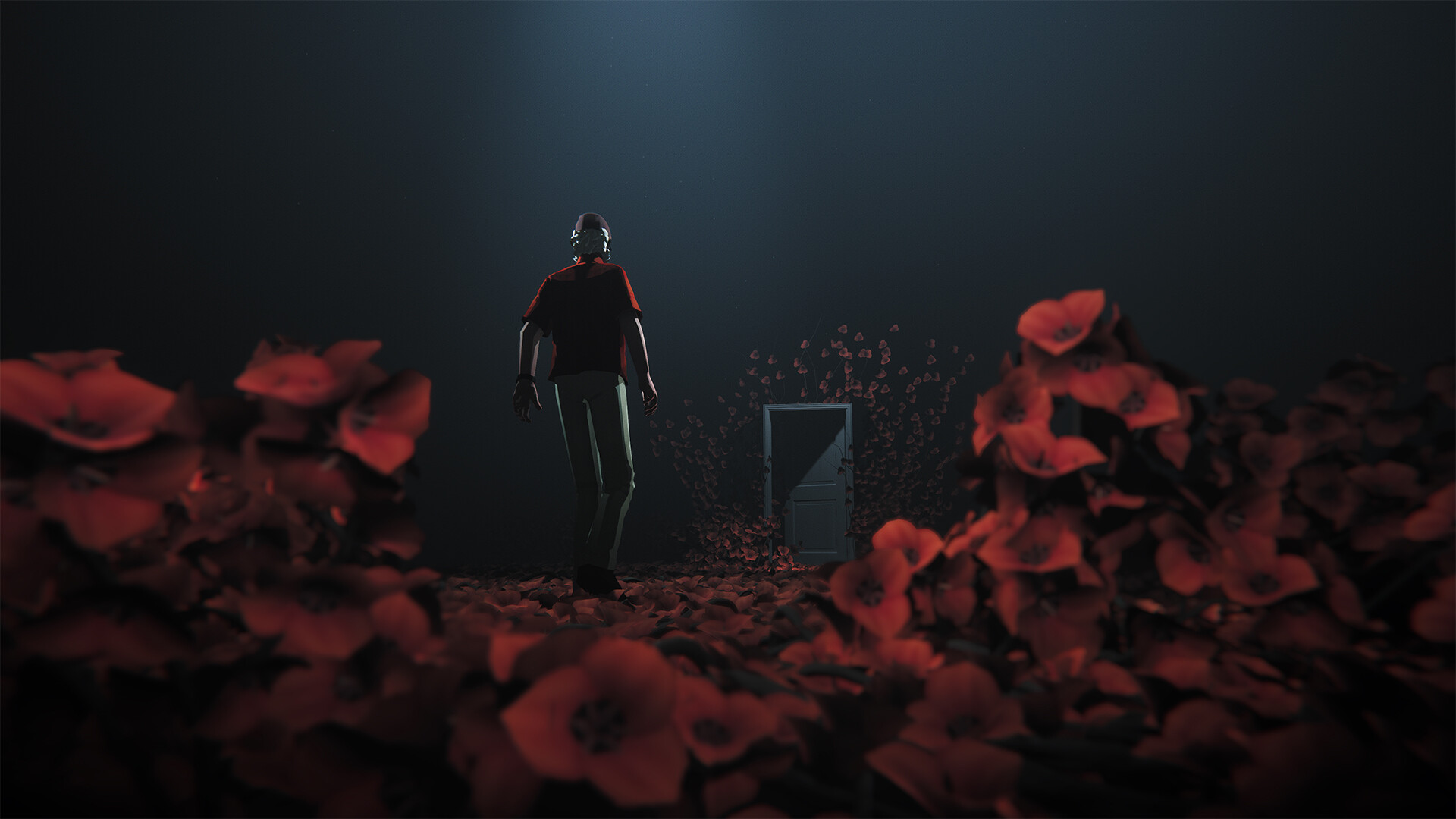
"So while I wouldn’t relegate it to the bottom of the barrel of indies this year, Forever Ago still feels mostly competent instead of outright special."
I’m not necessarily expecting Alfred to be the most photography-savvy individual. But if there’s one thing I could see many vibing with, it’s getting lost in taking pictures and crafting the perfect composition. Instead, you can lock focus, zoom in and out, and crouch for shots, which fits with the overall narrative, but does little to liven up the gameplay. Also, as a side note: Beware quitting before a chapter is complete. I’ve done this a few times and had to start from the beginning with no option to skip ahead.
If it sounds like I’m down on the game as a whole, that’s not quite the case. The premise is solid, and the characters, even Alfred with his anger issues, range from interesting to endearing. I also appreciate the contrast between the past and the present, and the power that nostalgia can hold over a person, especially mixed with grief. In some ways, it could be seen as a warning about tying too much of your life to a single person. On the other hand, it showcases how much more special those seemingly mundane, lifeless moments can be when they’re around.
So while I wouldn’t relegate it to the bottom of the barrel of indies this year, Forever Ago still feels mostly competent instead of outright special. A solid addition to this kind of narrative rather than one that competes with the best. If the gameplay were slightly more involved, and the pacing didn’t drag with some of the less exciting walking segments, it could have been more. As such, it’s an acceptable effort that’s successful enough with the drama, but not much more.
This game was reviewed on PC.
Fantastic art direction and environments. Mostly strong characterization, especially for Audrey. The contrast between the comfortable nostalgia of the past with the present, especially in the wake of grief, is handled decently.
Alfred isn't the most compelling protagonist. Photography gameplay feels under-baked in terms of features. Stretches of straight walking with little else going on are far from compelling.