





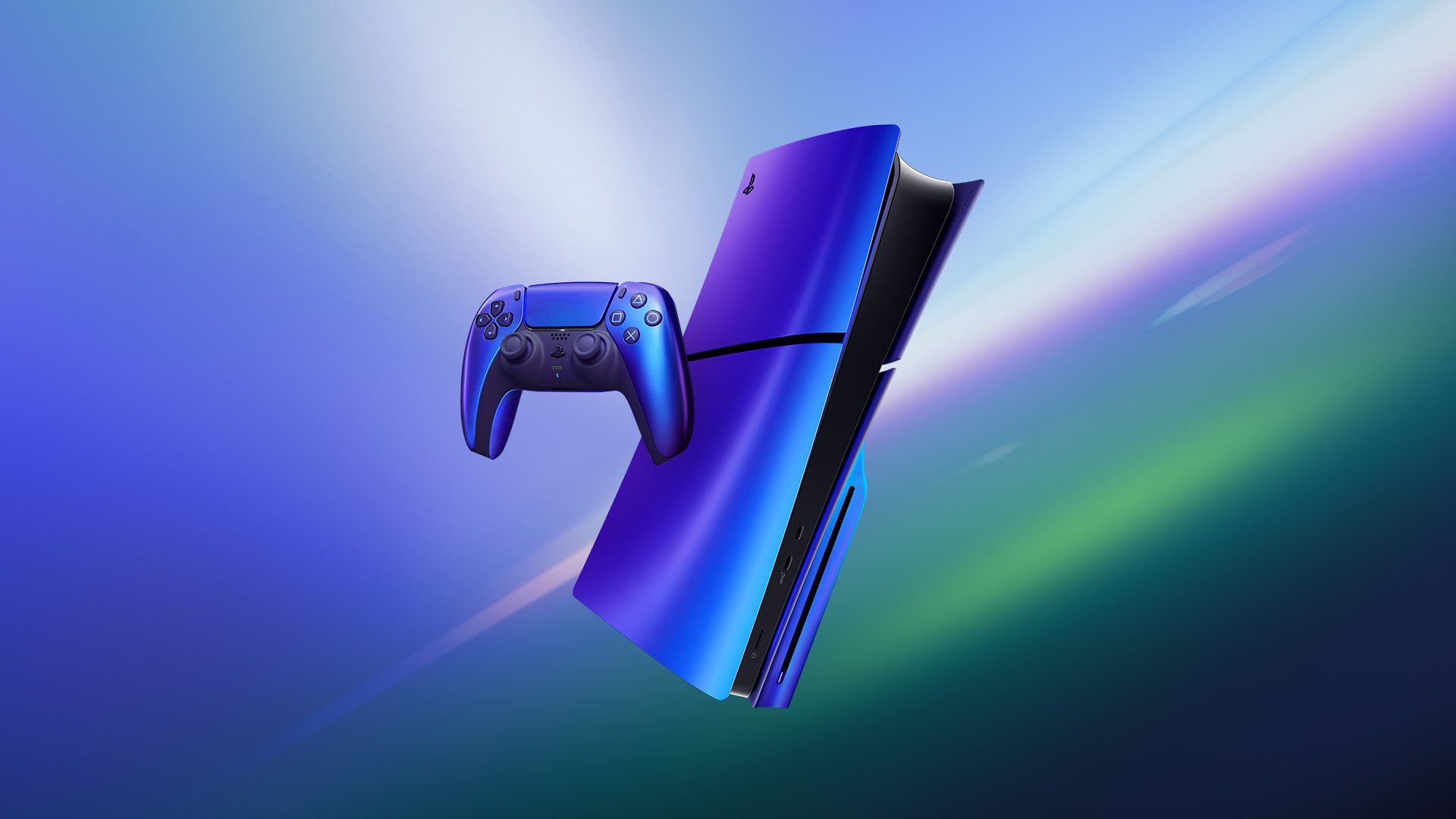
Sony’s announcement regarding the end of PlayStation disc production from January 2028 onwards has managed to spark quite a bit of discourse regarding the ownership of games. The company was even hit with a class action lawsuit in July alleging that Sony wasn’t complying with a 2025 California law about digital goods being labelled with a “clear and conspicuous warning” that buyers are only getting a license “in plain language”.
According to Game File, Sony’s lawyers have filed their own arguments against the lawsuit, claiming that its purchase pages fully follow the disclosure requirements set by the law. In their filing, the lawyers have said that those who buy PlayStation games are provided a link to the Software Product License Agreement that states that “you can use a product in the ways described in the license, but you do not own the product”, and that “the Software is licensed to you, not sold.”
Sony’s lawyers further claim that those who buy digital copies of games are fully aware that they don’t have any ownership over the title, and that they are simply licensing it. The argument boils down to the idea that multiple people couldn’t get their hands on, for example, Resident Evil Requiem, if ownership of the game was involved.
“This makes sense. In the digital age, it is not plausible to allege that reasonable consumers believed they were obtaining ‘ownership’ of a digital game. Were that the case, then Plaintiff Edward Heycock would not have been able to obtain the game Resident Evil Requiem on February 25, 2026 for $69.99 from the PlayStation Store after Plaintiff Jason Mendoza had obtained Resident Evil Requiem on 14th February, 2026, because Mr. Mendoza, not Sony, would have owned it then.”
Some parallels could be drawn between the statements made by Sony’s lawyers and those made by Ubisoft last year when the company was hit by its own lawsuit alleging that it was violating California’s consumer protection laws by delisting The Crew from players’ accounts. Ubisoft’s lawyers argued that the plaintiffs didn’t really have a case because they didn’t have any ownership of the game.
“Frustrated with Ubisoft’s recent decision to retire the game following a notice period delineated on the product’s packaging, Plaintiffs apply a kitchen sink approach on behalf of a putative class of nationwide customers, alleging eight causes of action including violations of California’s False Advertising Law, Unfair Competition Law, and Consumer Legal Remedies Act, as well as common law fraud and breach of warranty claims,” wrote Ubisoft’s lawyers in their filing.
In the meantime, Sony has been hit with other lawsuits around the world, with many citing anti-competitive concerns with the company’s decision to end the production of PlayStation discs, and in the process, essentially erasing the second-hand games market altogether. The lawsuits have noted that Sony is essentially removing a PlayStation user’s choice to acquire games through means other than Sony itself, like through second-hand markets. One lawyer has noted that “physical games historically acted as an indirect competitive constraint for consumers with a PlayStation.”