




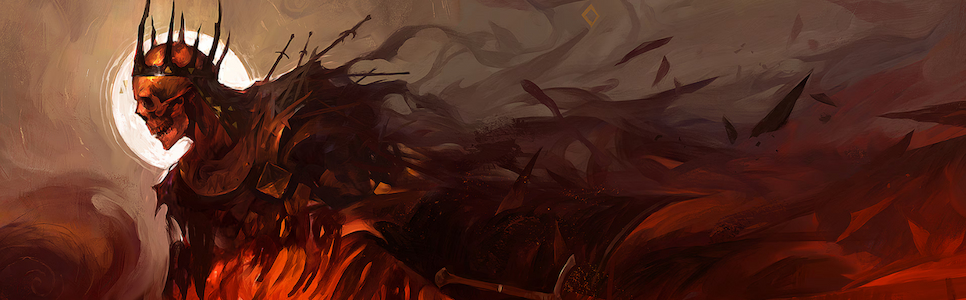
It’s been almost a month since The Elder Scrolls 4: Oblivion Remastered shadow-dropped. While many are still doubtless venturing through Cyrodiil, combing its multitudes of secrets, others may seek to move on. Bethesda is still a long way off from The Elder Scrolls 6 releasing (hopefully before the decade is up). Still, there might be another title to help ease the wait and provide a compelling open-world fantasy experience.
Launching on May 23rd for PC, Questline’s Tainted Grail: The Fall of Avalon may come across as a curious first-person action RPG. However, it’s actually been in early access since March 2023, with development running much longer. I first heard about the project after picking up Tainted Grail: Conquest, an enjoyable roguelike deck-builder set in the same universe.
The combat and build variety made for some compelling gameplay, though perhaps not quite as extensive as the titans of the genre. However, its story and setting offered a unique twist on Arthurian legend. Now, all these years later, The Fall of Avalon looks poised to deliver a more immersive take on that story on a much larger scale.
The setting of Tainted Grail is inherently darker than your average fantasy role-playing game. Based on the legend of King Arthur, it’s set in a world beseiged by a plague known as the Red Death. So devastating was its effects that Arthur is forced to abandon his old land and seek another for his people. Thus they arrived at Avalon, a mysterious island which also quickly proves unsafe due to the Wyrdness (and yes, it really is pronounced that way).
As the game’s name indicates, Avalon’s residents would also face disaster, with the Wyrdness warping the minds of its denizens and resulting in strange new monsters. While Conquest seemingly focused on the aftermath several years later, Tainted Grail: The Fall of Avalon will have players smack dab in the seat of catastrophe, exploring this terrifying land and doing their best to survive. However, there’s also an emphasis on your choices and “what legacy King Arthur’s reign will leave on the world after 600 years of continuous struggle,” per the game’s official marketing.
It’s ironic then that, like Oblivion, the player begins their journey breaking out of an asylum. Think of that opening in Bethesda’s classic – which should be even fresher now, thanks to the remaster – and how you’re essentially a nobody. How your pursuit of the Emperor is ultimately how you end up embroiled in the Oblivion crisis. Tainted Grail is much more morbid, as you’re little more than a test subject for some enemies. Even after a mysterious individual sets you free, you still need to traverse the asylum and its winding paths, eliminating the enemies and seeing their handiwork in the form of other diseased or dead inmates.
More than a few eyebrow-raising elements can be seen in this section if you’ve played the free demo. Yes, the lockpicking mini-game is entirely lifted from The Elder Scrolls 5: Skyrim. The interface also takes some getting used to, especially when it comes to equipping quick-use consumables (though having loadouts from the outset is a boon). Since you don’t have much by way of armor and weapon choices, combat can also feel like a struggle, especially when battling more than one foe. If you ever felt like you were constantly stocking up on food and drinks in Oblivion, and never really getting a chance to use them, Tainted Grail will often push you to do so.
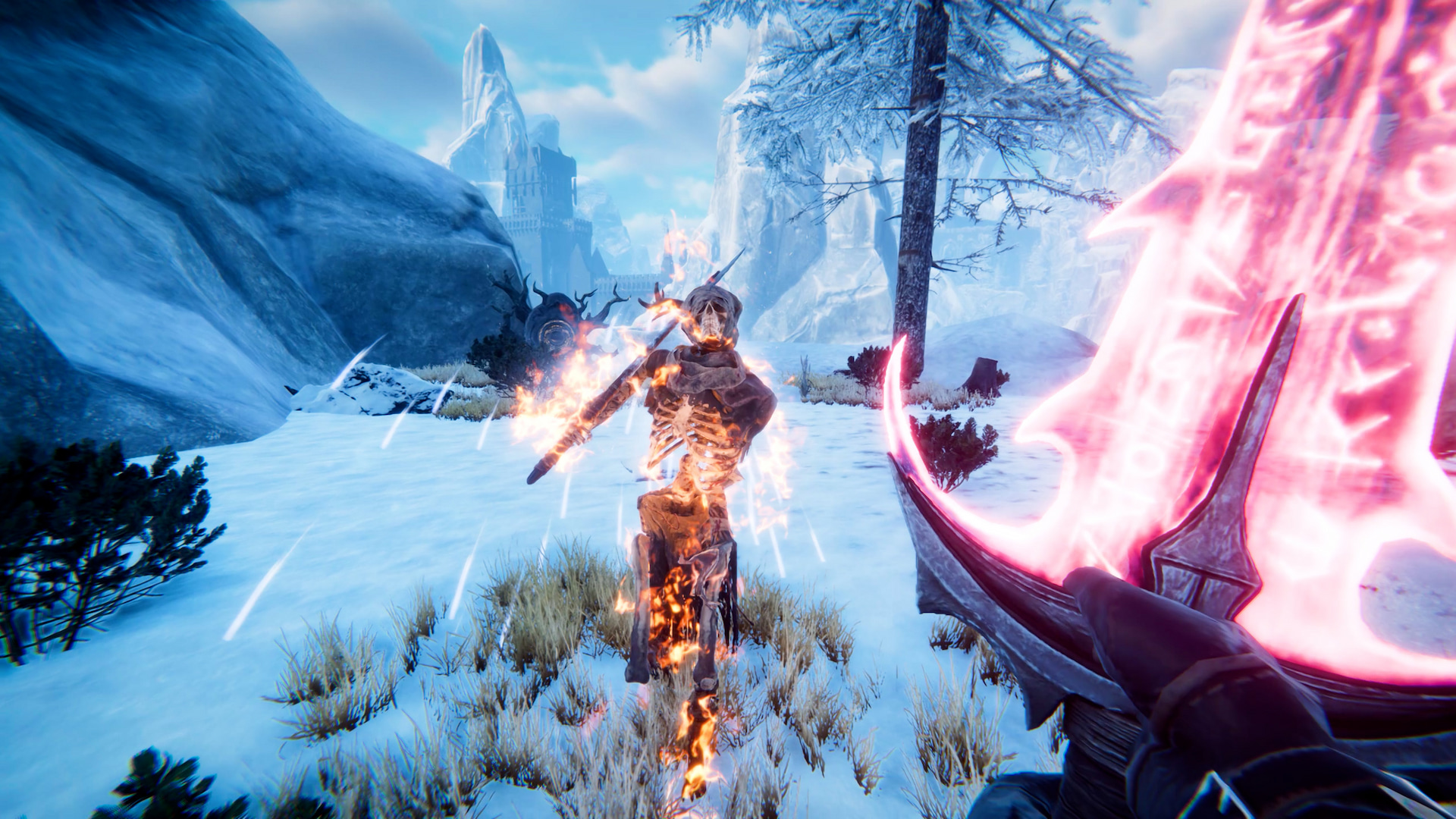
Things pick up after escaping the asylum as you enter the Horns of the South, the first of three major zones. There are crypts and tombs, ruins, and shrines to investigate, not to mention materials to gather, named enemies to challenge, and various NPCs to encounter. The litany of available systems like fishing, alchemy, blacksmithing, and so on is pretty extensive, but even more compelling is how the story will branch depending on your decisions. Questline is promising “hundreds” of different endings with its main story quest, and while their uniqueness remains to be seen, the reactivity of the world is still pretty impressive.
There are currently two out of three zones available – Horns of the South and Cuanacht Village – with Version 1.0 to add Forlorn Swords (though the others will be fleshed out further). You’ll also have an extensive amount of freedom in your build, with over 400 weapons and 55+ spells (not to mention more than 15 Soul Cubes). Tainted Grail follows a dual-wielding system that allows firing off spells in one hand and using weapons in the other. Alternatively, dual-wield spells if you want – whatever you can do to survive.
But that’s not all, as you can expect over 75 dungeons, more than 250 non-playable characters (many that tie into the 200+ side quests) and 100+ enemy types. Questline interestingly promises 50 to 70 hours of gameplay for the main quest (with some side quests thrown in for good measure), but those pursuing everything can expect more than a bit on top. If that wasn’t enough, it includes a much-requested third-person perspective for those who want to see their character at all times.
However, what really makes Tainted Grail: The Fall of Avalon impressive is the fact that Questline isn’t a huge studio with the extensive resources of Bethesda. And though you won’t find the same quality of visuals as Oblivion Remastered – not to mention the performance optimization that remains – it’s incredible to see this level of world-building, quest design and even combat before the game is even out. It’s another testament to the inherent strengths of a smaller team pursuing a unique vision – much like Bethesda did for Oblivion. Except this one is far more morbid and less likely to offer a bright and cheery ending where you’re heralded as a hero.
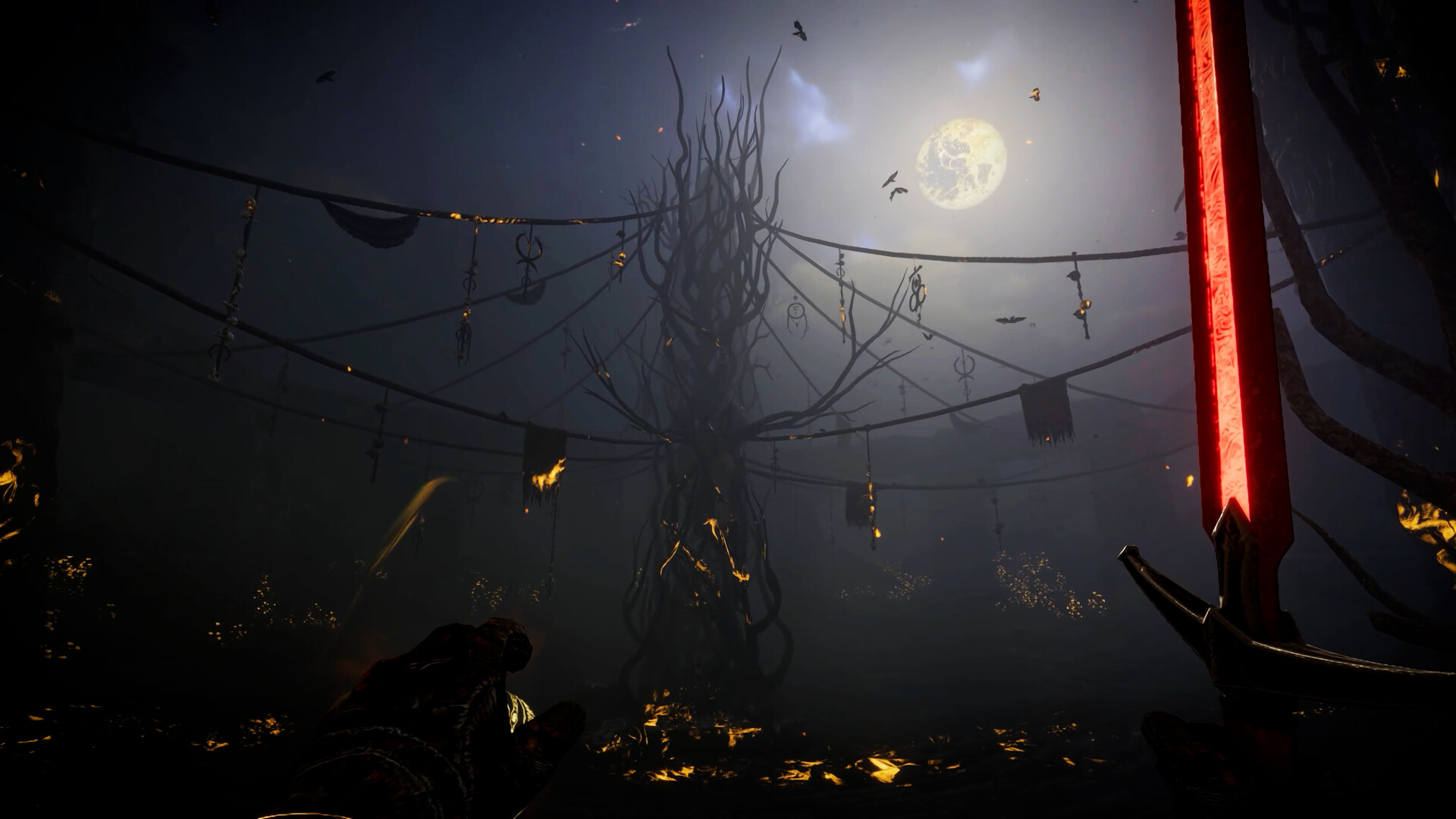
Games like this aren’t easy to make, even with a large team. However, even with the industry bursting with quality releases these days, especially on the indie side, Tainted Grail offers something that’s far beyond the norm. A dark fantasy open-world action RPG that encourages you to explore its twisted world, coming face-to-face with the horrors that lay within its take on King Arthur’s legend while offering extensive customization and build variety. Having combat that’s superior to Skyrim doesn’t hurt, but more than anything, it’s the overall setting and art direction, the sheer boldness of the vision that really puts this on the map for us.
Whether The Elder Scrolls 6 will match up to Bethesda’s legacy, much less offer an experience that’s half as compelling as previous entries is still up in the air. Heck, outside of hearing that its levelling and progression will be the same as Skyrim, there’s almost nothing known about the project – its progress, where it’s set or even the final name. Tainted Grail might not match up to it in sheer scale and fidelity, but its potential, uniqueness and grim atmosphere offer more than enough to set it apart for years to come.
Tainted Grail: The Fall of Avalon exits early access for PC on May 23rd and will also launch for Xbox Series X/S and PS5, and we can’t wait to see how the full game fares.
Note: The views expressed in this article are those of the author and do not necessarily represent the views of, and should not be attributed to, GamingBolt as an organization.