





Armageddon has finally hit Xbox. After weeks of rumored mass layoffs, CEO Asha Sharma revealed the full extent of the damage: 3,200 layoffs. The “most significant restructure in Xbox history,” as she calls it, involves 1,600 employees being laid off today and another 1,600 impacted over the next 12 months. Yes, Microsoft itself announced 4,800 total layoffs, meaning another 1,600 employees are gone from other areas.
Rumors swirled about the fate of Compulsion Games, Ninja Theory, Double Fine Productions, Undead Labs and even Arkane Studios, despite three of them having major projects in development. Would Senua and State of Decay 3 face cancellation, especially after occupying such prime spots during the latest Xbox showcase? Thankfully, no. Instead, Compulsion and Double Fine will return to independent status while receiving some runway to tide them over during the transition. No funny business about Xbox owning their IP or anything – at least, the former has confirmed that it retains ownership over We Happy Few, South of Midnight, and Contrast.
Ninja Theory and Undead Labs, meanwhile, will have new ownership. Funding is in place to ensure their projects can “grow,” and while we don’t know who has acquired them, their future is seemingly secure for now.
Arkane Studios is a more complicated situation. It’s currently in “required consultation” with the Works Council to “review potential strategic options.” Could that mean the studio is sold? Is it going to be restructured around MachineGames, especially with the latter’s co-founder, Jerk Gustafsson, becoming president? We probably won’t find out for several months.
By the way, Mojang and King are now directly under Sharma, who touted their monthly active players as the “largest” of Xbox, alongside other benefits. So anyway, they’re facing layoffs. Cheers, everyone.
In fact, every single unit is being hit. Activision, Bethesda, ZeniMax, Blizzard, Xbox Game Studios – you name it. The extent of layoffs is different across the board. Aside from Bloomberg’s Jason Schreier reporting that ZeniMax faces significant restructuring (but won’t be stuck working only on Fallout and The Elder Scrolls), we don’t know who’s hit the hardest. But hey, as Sharma proclaimed, “None of our first party publicly announced games or projects are being cancelled as part of these reductions.” So for the time being, Marvel’s Blade, despite rumors galore about its status, is safe. Key emphasis on “for the time being.”
In terms of worst-case scenarios, you’re probably hearing all this and thinking that it’s not so bad. Hardly ideal, nowhere near good, but Xbox could have easily shuttered the above five studios without so much as any empathy. Instead, it’s taking the high road. As for the other studios, at least Microsoft’s chief people officer, Amy Coleman, said that the eliminated roles aren’t being replaced by AI…before saying it’s true that “AI is changing how work gets done.” What a fantastic thing to say on a day where thousands have lost their jobs, but I digress.
It’s also worth noting that management is becoming more streamlined, going from 14 layers to three or five, which likely means layoffs across those roles as well. Helen Chiang is taking over as Chief Operating Officer to “bring our businesses together under one operating model, making sure we make clear investment decisions, learn from our successes and failures, and hold ourselves accountable for results,” Sharma says.
When you look at the bigger picture, however, it’s hard not to see the past several years of Xbox – ever since Phil Spencer announced those acquisitions in 2018 – as one big failure after another. A three percent accountability margin is bad enough, but hearing that it’s three to ten times lower than the competition?
Game Pass, which has become a huge tent-pole and arguably the lifeblood of Xbox (besides Call of Duty, Minecraft and Candy Crush Saga, as depressing as that sounds), hasn’t seen the required growth. Besides inking deals for tens of millions of dollars with other developers and publishers to have their games on the service, first-party titles have seen their own sales affected. Which anyone and everyone predicted from the start, because who in their right mind would spend $70 on The Outer Worlds 2 when they can play it for cheaper on Game Pass?
That’s not even getting into the hardware revenues for Xbox, which have been declining quarter after quarter after quarter for a while now, even as it grew larger, increased investment, and became even more muddled.
While attempting to tackle Xbox’s problems head on is admirable, I’m not sure that Sharma’s goal for the brand to be “one of the few companies that entertains more than a billion people each day” – claiming it has “many of the most beloved franchises in entertainment history, talented studios around the world” – is the right choice of words. Especially after outlining how the brand has burnt billions of dollars over the year. That too on top of losing several IPs due to the studios departing.
It’s always nice to be positive, especially when proclaiming a “return to growth in 2027.” But that just tells us that 2026 is absolutely cooked, and really, who can sugarcoat that? Saying that Xbox will invest as much as it ever has but with “greater focus, greater discipline, and greater clarity” is only useful through a proven track record. And no, changing Xbox to all-caps XBOX after a Twitter poll doesn’t qualify.
After a terrible generation with the Xbox One, doomed from the start due to one horrendous reveal conference and Don Mattrick, the deck was stacked against Xbox Series X/S from day one. Even Sharma admits that the install base was smaller when Gen 9 began, while the overall cost structure was higher. The main means of growth, Game Pass, ended up an albatross that effectively torpedoed the company’s first-party efforts. We’ve gone from Xbox serving as a juggernaut owning some of the most significant studios out there to proclaiming that it’s “neither possible nor desirable” to do this, and that it lost 64 cents for every dollar invested in a “typical year.” Man alive, what did a terrible year look like in that case?
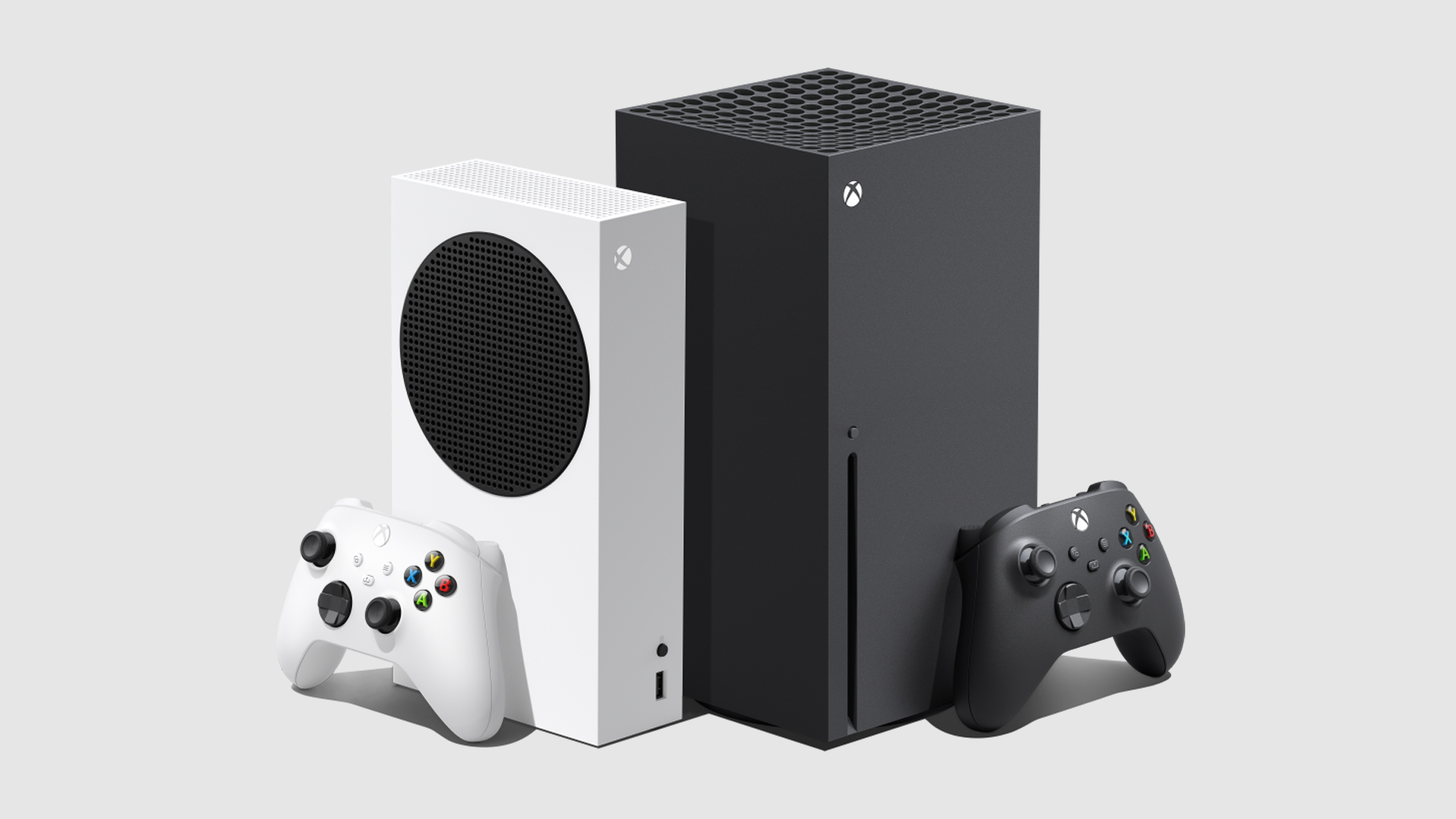
Even after all this refocusing and boasting about the return of console exclusives, we’re currently in a situation where no one can buy an Xbox Series X/S if they wanted to. Recent price hikes aside, there aren’t enough in supply, to the point where Microsoft is encouraging those with used consoles to sell them to those in need. All of this is due to recent memory and storage price hikes. The latter is estimated to be more than five times higher in Holiday 2027 than what the company paid in 2025, with memory following a similar pattern.
What a time to proclaim, “Physical discs to the rescue,” right? Well, because of PlayStation’s tomfoolery, that may look like a distant pipe dream for Project Helix as well, based on rumors. At least Xbox is reportedly working on a way to digitize your Xbox One and Series X/S libraries (sorry, OG and Xbox 360 lovers), but that does nothing to assuage fears that it’s also pursuing a digital-only business model for its games. And as we’ve emphasized several times with PlayStation, that means it can dictate everything from discounts to licenses. You won’t really own everything so much as “rent” it, subject to the terms and conditions of using the very same service. Don’t like it? Well, go to the competition who employ the same tactics.
Maybe this comes across as doom-saying for Xbox, but if you’ve been paying attention, that’s what PlayStation has been doing. Removing over 500 Studio Canal films and episodes that customers purchased because of expiring license agreements. No option to download them afterwards either – your ownership isn’t even null and void because it didn’t exist in the first place. The PlayStation 3 and PS Vita storefronts are shutting down, which paints a grim future for the PS4’s store (at least their content remains downloadable for now). The less said about dynamic pricing for its discounts or PlayStation still trying the live service model despite all evidence proclaiming it shouldn’t, the better.
The same goes for any prospect of reselling games, which have only increased in pricing over the past several years. You could argue that not every major title can carry an $80 price tag like Grand Theft Auto 6, but that won’t stop publishers from trying, and ditching physical copies in the process.
I don’t want to make a blanket statement proclaiming that every single aspect of gaming is awful, or that there aren’t successes out there that offer some respite. It hasn’t even been a year since we celebrated how games like Clair Obscur could exist in an industry where triple-A budgets could rival the GDPs of the smallest countries. There have been so many wonderful releases thus far this year, including from Xbox and PlayStation, such as Forza Horizon 6 and Saros.
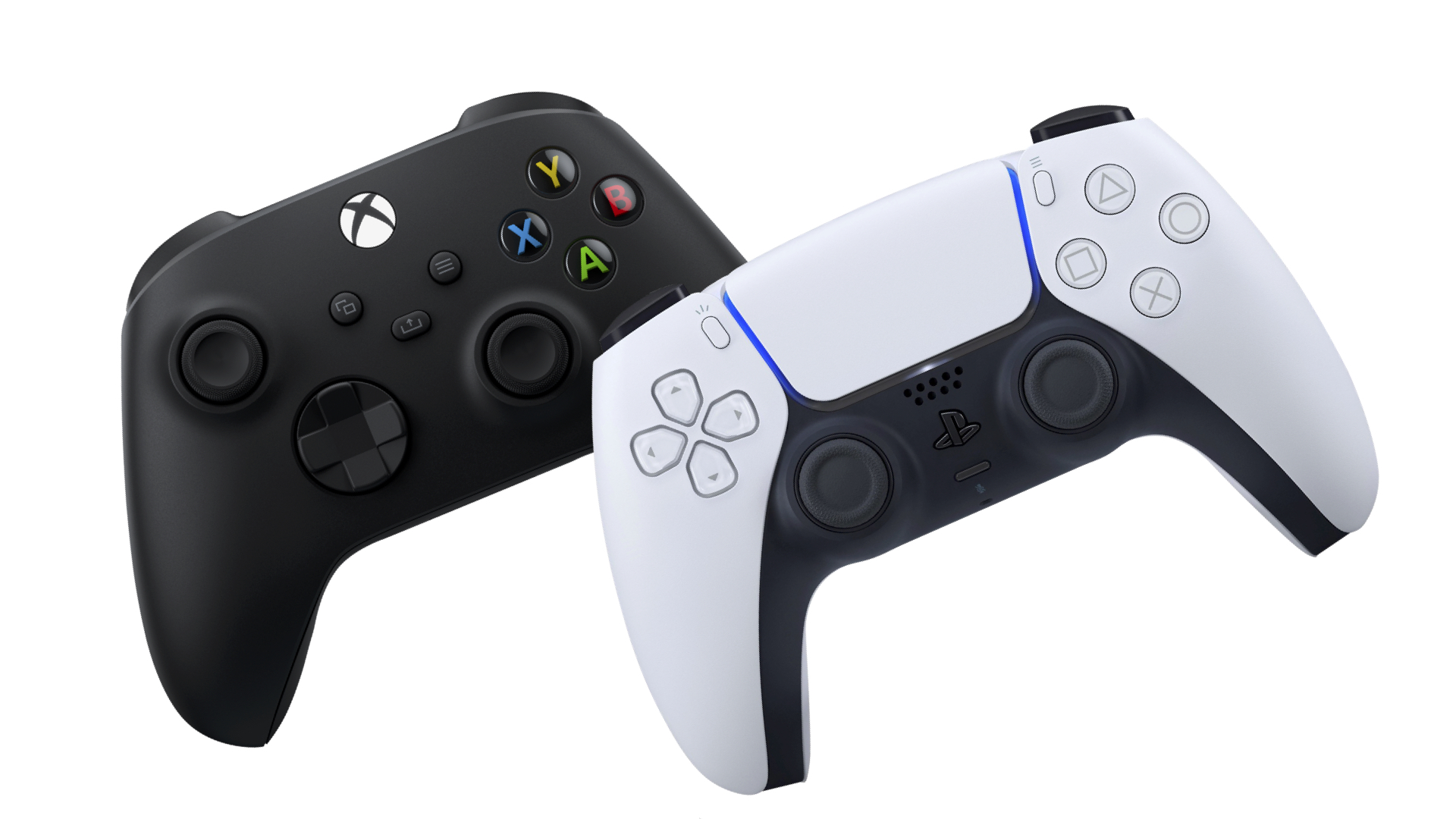
There’s still more to look forward to from them with Halo: Campaign Evolved, Gears of War: E-Day, and Marvel’s Wolverine, and with releases like Clockwork Revolution, State of Decay 3, Resident Evil Veronica, Fable, The Witcher 3 – Songs of the Past, and Final Fantasy 7 Revelation in 2027, the hobby as a whole isn’t dying by a long shot.
But it’s extremely disheartening to see two of the Big Three console manufacturers so horrendously cooked for different reasons. On the lowest end, it’s crazy to see Xbox taking all these steps and getting rid of so many people, not for the sake of profitability but to escape the ditch it dug for itself. Meanwhile, at the tippy top, it’s sad that PlayStation, the market leader, could care less about preservation, much less giving you any sense of ownership or a console that doesn’t demand an instalment plan (and I’m not even talking about next-gen).
The takeaways from this are too numerous to count, even without delving into the bubble that is triple-A development. At the end of the day, gaming is more expensive and will only skyrocket further with the PS6 and Project Helix. Whether this is a storm to weather, or an unending downpour without respite, it’s a sad day for gaming regardless.
Note: The views expressed in this article are those of the author and do not necessarily represent the views of, and should not be attributed to, GamingBolt as an organization.