





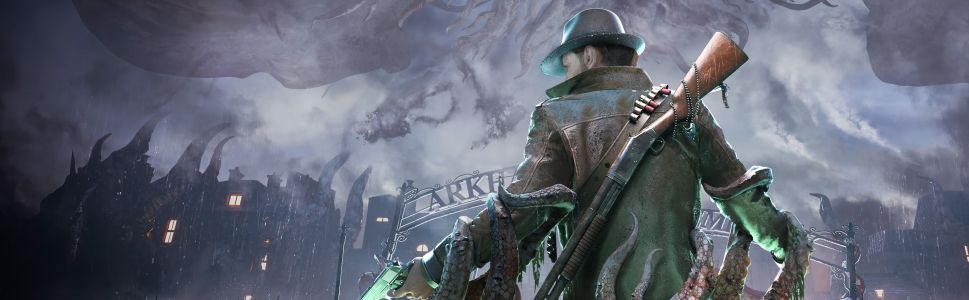
Frogwares has often been associated with the Sherlock Holmes series, for which it’s delivered some occasionally masterful (and sometimes middling) investigative efforts. However, the studio has also delved into the supernatural and occult on several occasions, as showcased by The Sinking City. There was always a feeling that its cosmic horror reach exceeded its grasp, but with The Sinking City 2, all the pieces may finally be falling into place, based on hands-on time with a preview demo. Let’s delve into ten big things you need to know, starting with…
The Premise
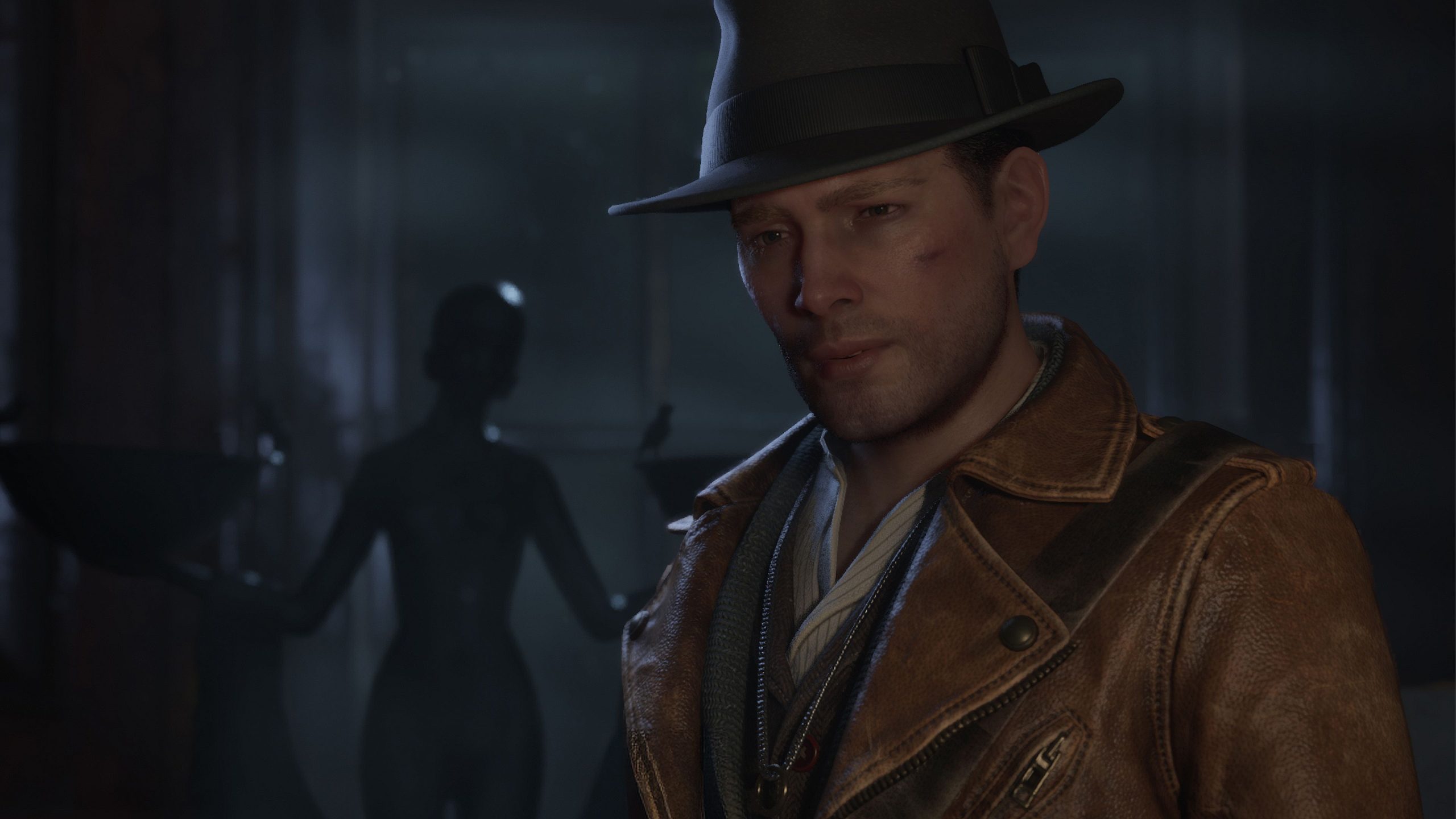
While the first game focused on private investigator (and former WW1 veteran) Charles Reed, who ventures to Oakmont, the sequel stars a new character, Calvin Rafferty. He ends up in the flooded city of Arkham, searching for a book to save Faye, his companion, who’s in a coma after a ritual gone wrong. He starts in the Annex of Miskatonic University, where strange creatures roam about, but hey, at least his fedora and leather jacket remain unruffled. A later section sees him visiting Akeley Memorial Hospital – a drier but much more dangerous location – and despite some success, he draws the attention of cosmic forces that he can’t even begin to fathom.
A Moody Atmosphere
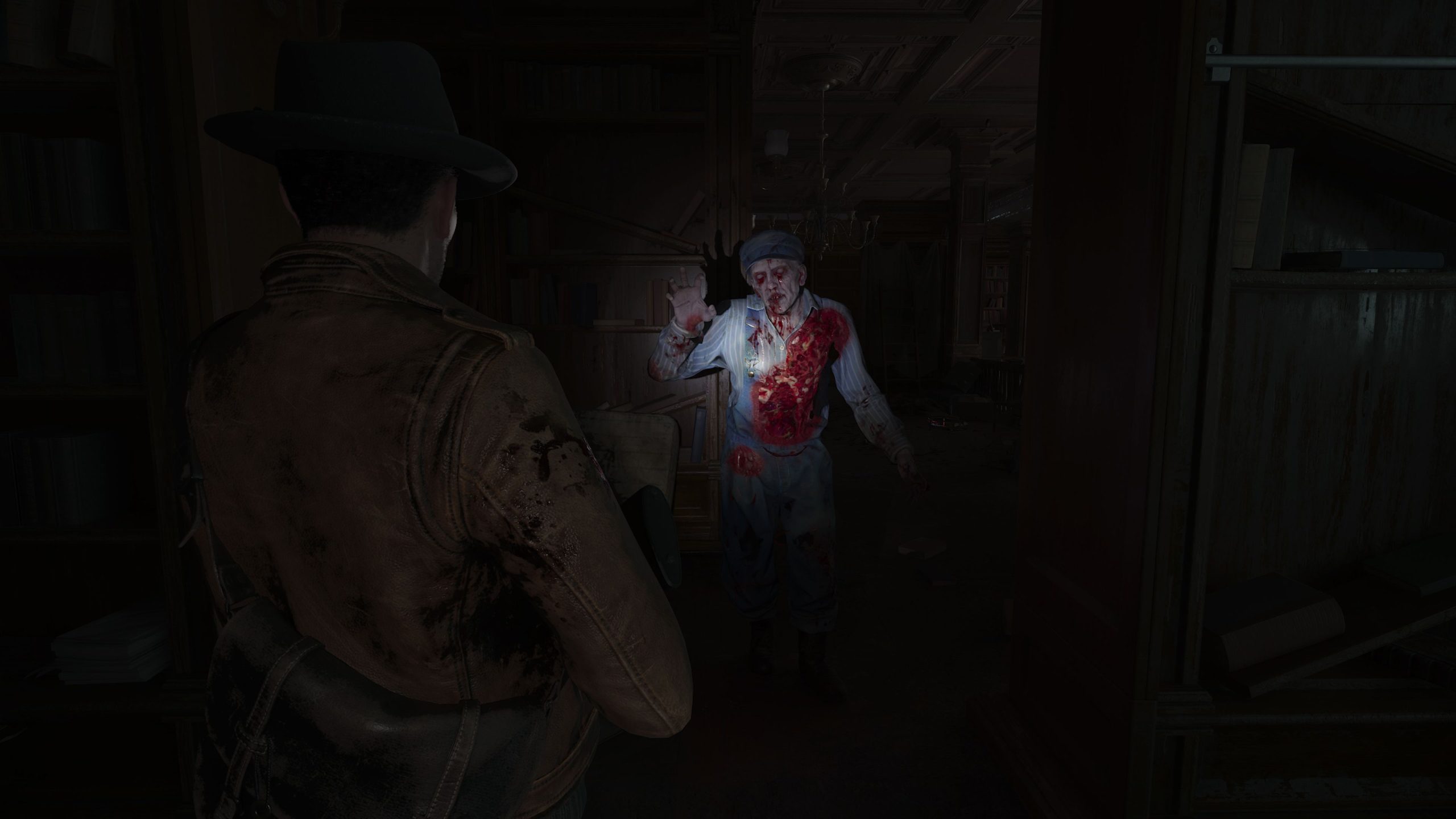
Compared to the first game’s remaster, Unreal Engine 5 feels more suited to The Sinking City 2’s creepy atmosphere. Beyond the morose palette, you can see it in the Slither, writhing worms casually flopping around on the floor (and sometimes indicating the way forward) when they’re not puppeteering the dead, the detailed water that Calvin sloshes through at the best of times and falls unceremoniously into at the worst. Even finer details like the scattered books littering the university’s floors or the ruined streets with billboards, broken street lamps and damp walls feel natural. Then there are the cutscenes, especially when you run into a linguist and witness his grisly…modifications first-hand. These are on a completely different level from the original in terms of cinematography and motion capture. Performance still needs to be optimized on PC, but as it stands, it feels like Frogwares has nailed the art direction.
Survival Horror Bent
If the over-the-shoulder perspective, limited ammo, tight corridors and Dead Space-like stomp didn’t clue you in already, The Sinking City 2 is aiming for more of a survival horror vibe. This is especially important from a pacing and level design perspective, since it maintains that atmosphere of dread, as you wonder what lurks around every corner. Of course, these are elements (among others) that will be immediately familiar to anyone who’s played the Resident Evil remakes. Considering investigations are more optional than before, it may take some adjusting for fans of the original.
Rewarding Exploration
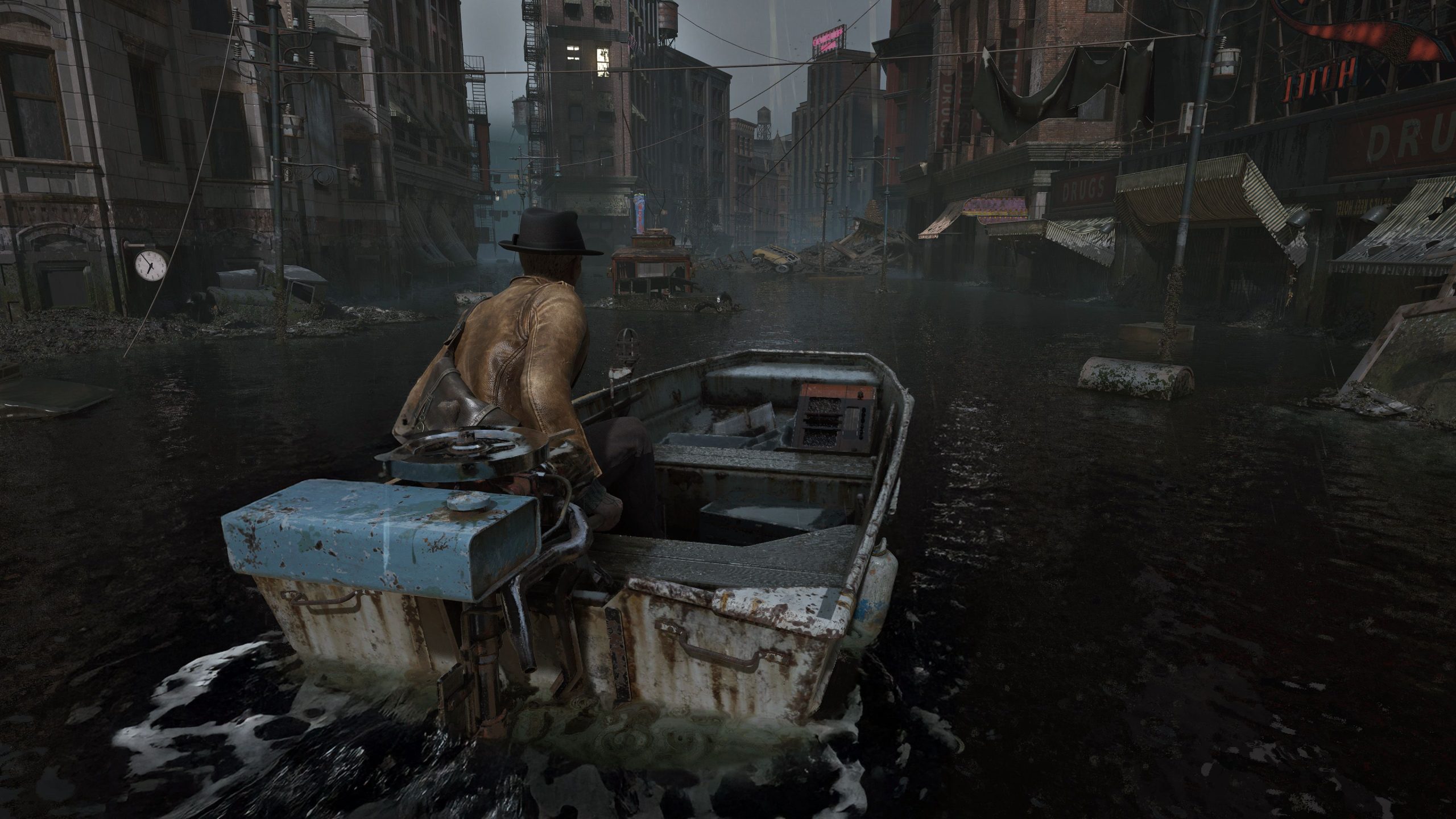
Rather than an open world, Frogwares opted for a semi-open-world approach, and this doesn’t necessarily apply to every area. The best example is Arkham, where, after gaining access to a speedboat, you can navigate the flooded streets in a non-linear order. However, there was only one place I could really go in the demo, though some locations definitely seemed explorable (perhaps in the final game). Even in plot-essential locations, it’s a good idea to wander around and look for Emergency Relief Crates (ERCs) since they contain weapon attachments and inventory expansion items. You’ll need an Activator Pen to open it, and reaching an ERC isn’t always straightforward, but it’s well worth the hassle, and may even clue you in more about the place.
Compact Environments and Backtracking
Regardless of the more open traversal in some areas, it definitely feels like the development team is focusing on more compactly designed levels. Buildings often have multiple unlockable shortcuts. You’ll also discover keys or other puzzle items that warrant backtracking through previously explored areas (the map helpfully fills these in blue if you’ve found everything relevant). Oftentimes, there may be some risk involved – humanoids and skitterers appearing where they weren’t before – which really adds to the tension and feeds into the risk vs. reward nature of combat. Which is a good time to discuss…
Locational Damage
Compared to a Resident Evil remake, The Sinking City 2 handles over-the-shoulder aiming in an intriguing way. Instead of chasing headshots, you’re encouraged to shoot the boils on Slither-controlled humanoids, which can emerge just about anywhere – ribs, arms, legs, etc. They’ll deal significant damage and even slightly stagger the target for a time, allowing you to run past. However, if you get lucky and can bring them to a knee, they’re ripe for some good ol’ fashioned stomping. Later humanoids offer tougher challenges, especially in Akeley, spewing projectiles from afar to match your increased firepower. You also have the little creepy critters that scurry about, lunging at you when least expected. A good stomp or two can take them down, if you can catch up to them.
Dodging and Environmental Traps
While the action definitely ramps up later in the game – as evidenced by Calvin having a Thompson and a shotgun, along with more ammo – dodging and leveraging the environment are still vital. Dodging can be one of the easiest ways to avoid the skitterers, who are also susceptible to walking into bear traps in Arkham (which can also hurt you if you’re not paying attention). In the same vein, you’ll want to leverage exploding canisters, even if Calvin gets caught in the blast radius. There’s definitely more action to be had than the original, but that doesn’t mean ammunition will be spilling out of cabinets.
The Runes Have It
You also have Runes, which offer talents that provide passive benefits. For instance, the Basic Talents include faster weapon reloads, less damage taken from humanoid enemies, dealing a little more damage for a period upon switching weapons, and so on. One option I particularly like is striking harder when your flashlight is off – like the game is daring you to brave the darkness. You’re limited at the beginning by the number of slots available and must also consider the Rune’s shape. Regardless of both, you still need to unlock more options because that’s how higher-level Talents become available (with the highest tier, Expert, only becoming available after finishing the game, interestingly enough). Dream Essences are also required to unlock new Runes, and you won’t always find them lying around. Time for the next best option…
Building a Case
Not all investigations are mandatory, but evidence is still valuable. On top of providing puzzle solutions – which are thankfully a little bit more complicated than “Here’s the combination code for this lock” – they also offer extensive lore. If you can figure out how to link related evidence together, you’ll receive some Dream Essence as a reward, thus opening up even more Runes to unlock. It’s a simple incentive, but honestly, the real reward is seeing where these investigations end up. Based on the optional investigation in Arkham, I’m intrigued by what other horrors may await in the full game.
Crafting
The one element that wasn’t really available in the demo is crafting. You’ll find chemicals, scrap metal, gunpowder and healing herbs, but the actual system for combining them remains up in the air. Based on the demo, this can’t be done on the fly, but it wouldn’t be surprising if the crafting station is a fixture of the save rooms alongside the stash. The latter has limited slots, by the way, so even while dumping any unneeded materials and items in, you’ll eventually need to use some of them for the sake of space.
All in all, The Sinking City 2 was a pleasant surprise for me. Obviously, it needs more work, especially when it comes to squashing bugs and optimizing performance, but the demo felt immediately more interesting than its predecessor, both in combat and the action-adventure loop. Whether the plot will turn out well remains to be seen, but thus far, Calvin’s potential meeting with The Great Dreamer could prove a survival horror dark horse in 2026.