







I was already so far past the point of no return I couldn’t even remember what it looked like when I had passed it.”
For all the talk about this year being the best in gaming, or 2023 delivering numerous masterpieces, the one insurmountable mountain remains: 2001. The year of Grand Theft Auto 3, Halo: Combat Evolved, Metal Gear Solid 2: Sons of Liberty, Gran Turismo 3 – heck, even Madden NFL 2002, back when the series could hang with the best. But among these heavy-hitters, these genre-defining legends, was a game from a relatively unknown studio, Remedy Entertainment. As much as 2001 was about Master Chief, Solid Snake, Tony Hawk, Ico, etc., it was also about Max Payne.
At its heart, it was a third-person shooter, but in presentation, style, panache, and, above all, audaciousness, it was a pulp-noir game unlike any other. It popularised bullet time in video games. It pushed storytelling boundaries, especially its use of graphic-novel panels in cutscenes. In an era where games were constantly stepping up to Hollywood, falling short yet inching ever closer with each massive leap in fidelity, it set new standards for cinematic presentation. Making sure everyone knew what lead writer Sam Lake, now Remedy’s creative director, looked like was just the cherry on top. But if it hadn’t released and had the impact it did, both in sales and critical acclaim, who knows what direction the studio would have gone?
Of course, it wasn’t meant to be. After the disappointing sales of Max Payne 2, Remedy focused on Alan Wake, bringing its trademark storytelling flair to new universes. However, Rockstar Games, which published both Max Payne titles, tried something different. Together with its various studios – Vancouver, London, Toronto, New England, San Diego, Leeds and, of course, Rockstar North – it released a sequel in 2012: Max Payne 3. It received rave reviews and shipped four million units in a year. This was it. Everyone’s favorite killer with a permanent chip on his shoulder was finally back.
And yet, nothing.
Oh, Rockstar would release some DLC packs for the game’s multiplayer, adding new weapons, maps, cosmetics and more. But one year passed. Then another. By then, it was clear Max was not coming back.
That is, until Remedy announced that it was partnering with Rockstar once more to develop Max Payne 1 and 2 Remake. That’s right – both games in one package, greater than the sum of its parts and…what do you mean it was announced over four years ago? While full production has been ongoing for over two years, there’s been no update on a release, much less any gameplay.
A different kind of…update, if you could call it that. Rockstar co-founder and head writer Dan Houser, who left years ago and established his own studio, spoke to IGN in an extensive interview recently, recalling his time on the game. Overall, he enjoyed the process and “what we did design-wise, the way the game didn’t have loads, the way it felt like a 12-hour movie, some of the visual stuff we did with words on screen.” He believed it was a “really cool digital noir experience,” but there’s apparently one problem: “The consensus at the time was that people hated it,” says Houser.
He then went on to take the blame, saying, “I got that completely wrong,” praising Sam Lake, and believed “we’d done a good job of doing another Max Payne game. Some people liked it; lots didn’t. So we got it wrong, or I got it wrong. I failed. My bit was not a success. The game is beautifully made, and it wasn’t as successful as it should have been. So I would say a large amount of that failure was on me as one of the people making the decisions and also as the writer, when people really missed his writing.”
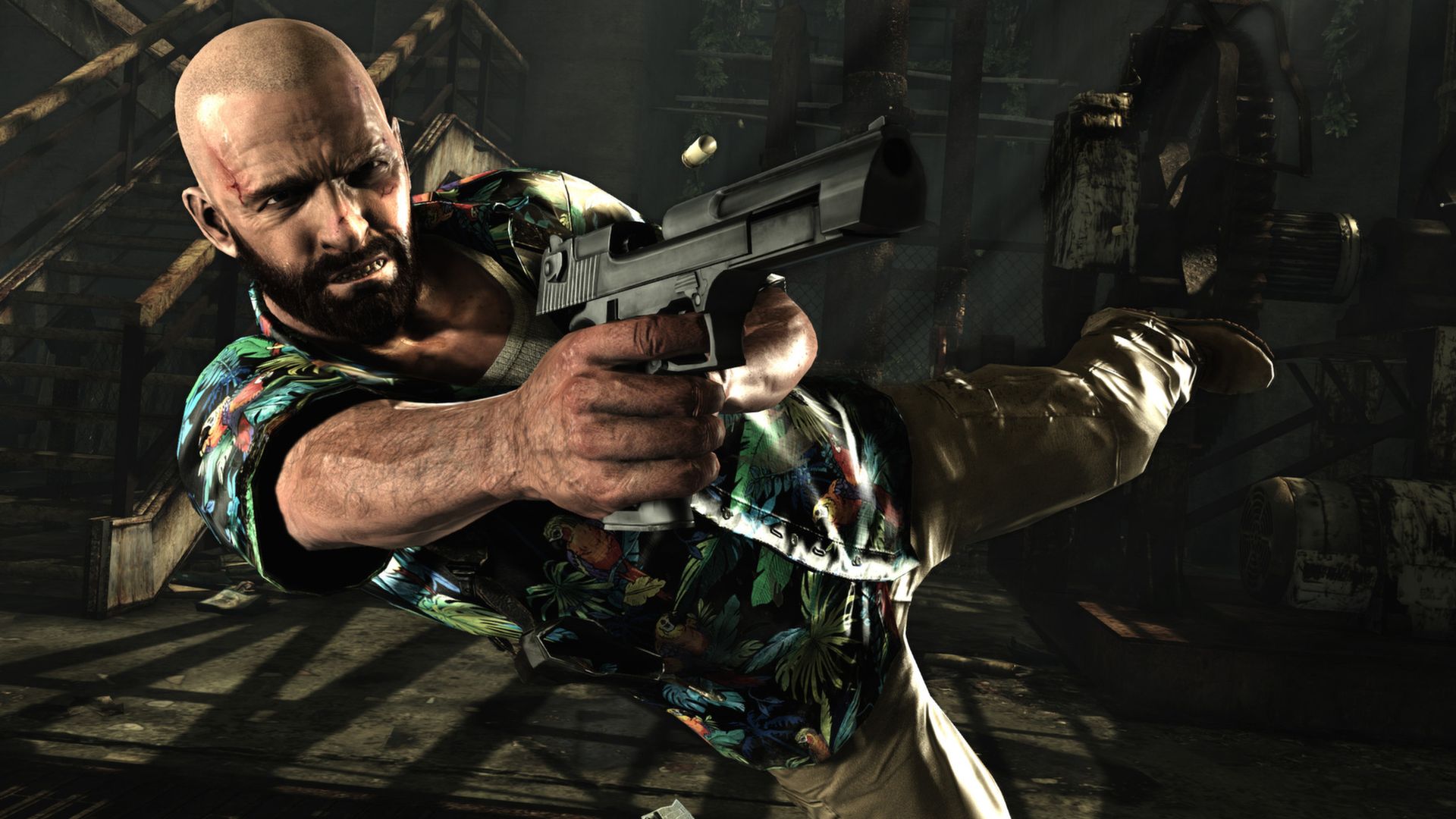
How does that Max Payne 2 quote go? “You can’t run from your past. You’ll end up running in circles. Until you fall back down to the same hole you were trying to escape from, only the hole’s grown deeper.” Not that I’m saying Houser is digging a deeper hole for himself or anything. It feels like he’s reminiscing about a perceived missed opportunity, and just not being the guy whose writing was preferred over Lake’s.
Which is interesting to me, because if you look at the Steam rating for Max Payne 3, it’s 85 percent “Very Positive” based on a little over 25,000 user reviews. Recent reviews are actually better at around 89 percent, though it’s based on a measly 436 at this time of writing. What can we say? It’s not exactly the most happening Rockstar release nowadays.
Regardless, you’ll still find plenty of negative reviews. The most prominent (at least for me) called it “GTA 5: Simulator on Steroids” (ignore the fact that GTA 5 launched a year later). It lambasted Max’s characterisation, the setting, the presentation, including the on-screen text that Houser loves. Even a few positive reviews outright state that while the gameplay is great, the storytelling “sucks” compared to its predecessors.
Now, I really like Max Payne 3. A cover system would have seemed like the most ridiculous addition to a title all about stylish dives and slow-mo feels good; it still feels so much more seamless than Rockstar’s other titles, even today. The Last Stand mechanic fit perfectly with Max’s “too angry to die” mentality and provided another use for bullet time.
And as much criticism as there is about how the development team chose to display Max’s inner thoughts, or the effects his many vices would have on him, it doesn’t get nearly enough praise for the lack of loading screens and seamless transition between gameplay and cutscenes. Also, those who criticised the setting for being too “bright and sunny” are willfully ignoring some of the messed-up elements, including the whole organ-theft plot point or how Max ventured through the favela and its run-down buildings.
However, I can also acknowledge that it isn’t the same mood or style fans expected. It’s the modern conundrum of trying to release what’s essentially a clean slate for an established franchise. Sometimes, you get Mass Effect 2, which feels like it nails the series’ vision on both the narrative and gameplay front. On other occasions, you could get Fallout 3, which opened up the Wasteland to a new generation, and yet, completely alienated fans of the first two games (and not just because of the shift to first-person).
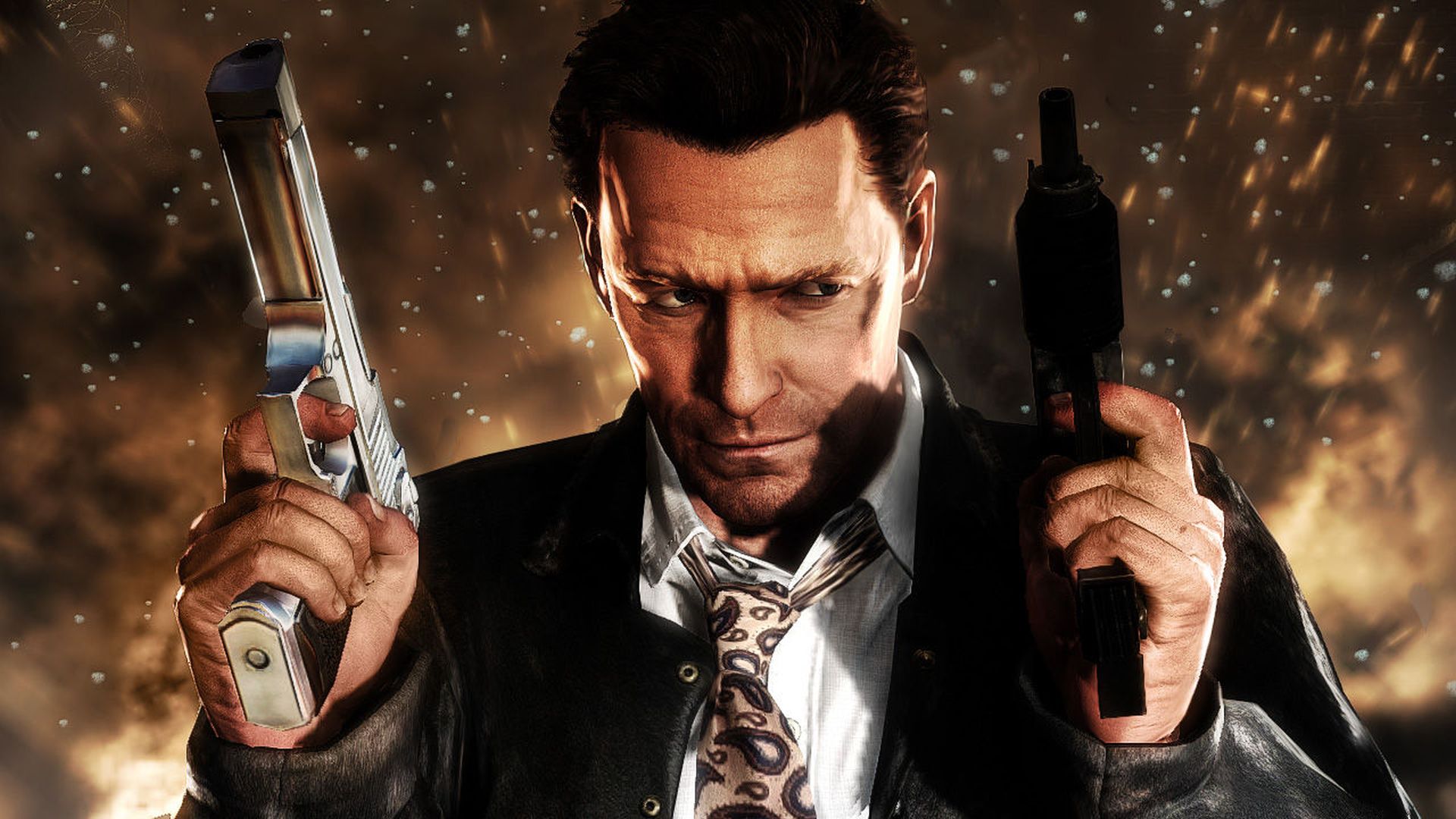
You could even get something akin to Zelda 2: The Adventure of Link. Despite positive reviews at the time and even selling out in North America, the perception changed significantly over the years. The fact that Nintendo has never attempted another side-scrolling Zelda should tell you everything you need to know.
However, I don’t think the reception from some fans means Max Payne should stay in his miserable lane forever, or even the core impetus for the remakes. Maybe its lack of success (if you believe Take-Two at the time) is due to other factors. Perhaps the world was over Max Payne. Maybe it expected something else entirely from Rockstar and wasn’t willing to put down $60, especially with so many other big games that year. It could even come down to marketing or the lack thereof.
As the man himself said, “Things had a habit of only making sense to me looking back, long after I’d run out of time to fix them.” Regardless of the reason, Max Payne 3 still stands out as an incredible action game, and no, not with the caveat of being a bad Max Payne game. Opinions will always vary, but just as there’s room for remakes that could fundamentally alter everything we loved about the originals, there’s also space for a Max who finds some solace at the end of it all.
Note: The views expressed in this article are those of the author and do not necessarily represent the views of, and should not be attributed to, GamingBolt as an organization.