






You’ll own nothing, and you’ll be happy.” It’s incredible how a simple quote from the World Economic Forum in 2016 – itself based on a quote by Ida Auken – originally began as a means to incite discussion about sharing. In 2026, it feels more real than ever in an industry that’s been fighting for digital ownership amid games that can shut down at any time, leaving you with nothing once the servers go down; terms of service that outright state you don’t own the digital product; and where preservation is quickly becoming a pipe dream.
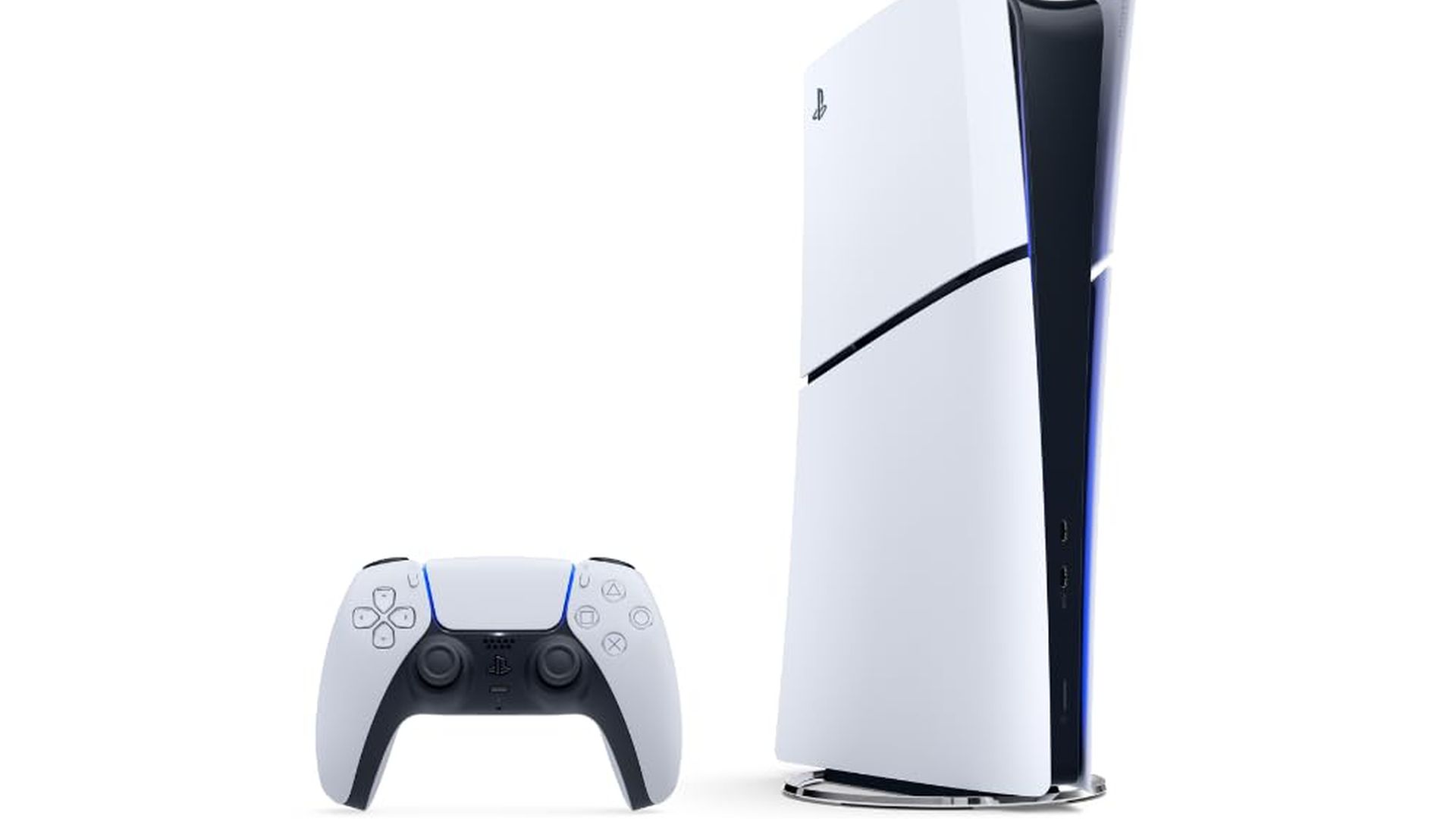
I would say “If you haven’t been following PlayStation lately,” but that would be untrue because this truly came out of nowhere. New games coming to PlayStation consoles will no longer have physical discs from January 2028 onwards; instead, they’ll only be available on the PlayStation Store or retailers digitally. Games that were released before this won’t be affected, so it at least sounds like Sony isn’t completely abandoning the format, but the intention is clearly stated:
“This is a natural direction for Sony Interactive Entertainment to adapt to consumer trends as the general preference for digital media significantly outpaces physical discs.” It also says that it will “enable us to align more closely with how most of our community prefers to access and play games today.”
That latter part won’t be too surprising because, as so many publishers have claimed, much of their revenue comes from digital sources. Sales are increasingly digital. PlayStation itself reported that 85 percent of its software sales were full digital games. From a business standpoint, this probably feels like the best step forward for the company, right?
And yet it’s inciting widespread, justifiable outrage across the board. Go look at the comments on the “Official PlayStation Used Game Instructional Video” from 2013 with Shuhei Yoshida and Adam Boyes, who are both no longer at the company. It almost feels like a time capsule, or as one of the more popular comments notes, “like watching the wedding video after the divorce.”
The physical games market has since declined massively; used games are a dying breed; and even if you want to be “completely physical” with any title, you still have to deal with day-one patches and internet access to even access a title.
It’s one thing when a company announces it’s not releasing its latest game physically, whether because of leaks or something else. When a platform manufacturer that owns one of the biggest digital storefronts in gaming outlines plans to completely move away from physical media? You could have told players five years prior, and it still wouldn’t have gone over well, for several reasons.
When discussing all this for Grand Theft Auto 6, I said this is the new normal, and far from being a new phenomenon, it’s something that gamers, unwittingly or otherwise, have been a part of for years and years. This isn’t to say it’s fair or in favor of the customer – just that it’s the reality.
However, at the very least, with physical games existing in some form, consumers have had some sense of ownership, and even some freedom of purchasing. That physical edition of Astro Bot that I recently picked up for 25 percent off because I didn’t want to wait for another PlayStation Store sale is one example. It’s not about the price of the discount – just the fact that I’m not interested in constantly checking the PlayStation Store to see if it’s on sale.
There’s also not wanting to constantly reinstall a massive game like Ghost of Yōtei, which is over 85 GB. Would I still have to download patches and additional modes like Legends? Sure, but I wouldn’t have to concern myself with downloading the entire game besides. The fact that I have that disc and can access it whenever while maintaining space for other titles, digital or otherwise, is a great comfort.
Mind you, that’s just my preference, and it doesn’t even get into all the other problems with PlayStation’s decision. With no more physical games, Sony can effectively monopolize all your purchasing on the PlayStation Store. I’m not saying that it could jack up the prices for everything, but its whole dynamic pricing experiment, which has resulted in different discounts depending on your region, is the first sign of trouble. Even if you’re searching for the best deal, it’s going to be what PlayStation dictates is suitable, and don’t even think about trying to game the system by accessing other regions’ storefronts.
Then there’s the decision to shut down the PS3 and PlayStation Vita storefronts from July 2027, though these changes will begin rolling out this year for certain countries. Yes, I know it originally meant to do this in 2021 and ultimately backtracked, but that doesn’t make it any less insulting. Besides, it now sets a very real precedent of the company just stopping access to its digital titles, whether you like it or not (or decide to subscribe to PlayStation Plus, which oh-so-conveniently raised its prices recently). Best of all, full sarcasm intended, is that “players will still be able to download previously purchased content after the closing date for the foreseeable future,” per the company. What happens if it doesn’t even allow that? And once again, what if that becomes the precedent for the future?
If all that wasn’t enough, PlayStation has done an awful job translating what any of this could mean for the PS6. Will it have a disc drive? Can you attach a disc drive? If not, then what about all those PS5 titles that you own on disc (because several rumors claim that it’s backwards compatible)? Can you somehow convert your library to a full digital format? How will that work if you don’t own a PS5 or, at worst, your console is broken? Will all those discs, many costing $70 because you bought them on day one like a good little soldier, suddenly become unplayable? If it continues selling cross-gen titles and you’re still on a PS5 with a perfectly good disc drive, are you forced to buy them digitally? Well, the answer to that last one is increasingly looking like a “yes”, but it’s still absurd.
However, perhaps the biggest question of them all: How long has this been planned? Did it consciously design the PS6 to not have a disc drive? Is it really going to get away with selling a next-gen console without it and potentially charging $1000 (which, going by its rumored bill of materials, it very well might)?
Maybe Sony will reveal more in the coming months, especially when it’s ready to actually reveal and talk about the PS6. Maybe offering digital versions of its games is a means to satiate retailers, though if physical pre-order reports for GTA 6 are anything to go by, it’s not exactly working out well. Maybe it will work out some kind of system to enable lending digital copies. Heck, it may even backtrack or delay the decision, just to satiate fans before slowly and surely going ahead. No half-measures, after all, no matter how long it takes.
Whatever the case may be, this decision isn’t depressing just because of the state of the industry, and its complete disregard for preservation and digital ownership. It’s the overwhelming majority simply going along with it, ensuring the PS6 is a sell-out on day one. Not because they don’t know better, but because it’s “normal” in every sense of the word that PlayStation and other major companies have always wanted.
Note: The views expressed in this article are those of the author and do not necessarily represent the views of, and should not be attributed to, GamingBolt as an organization.