






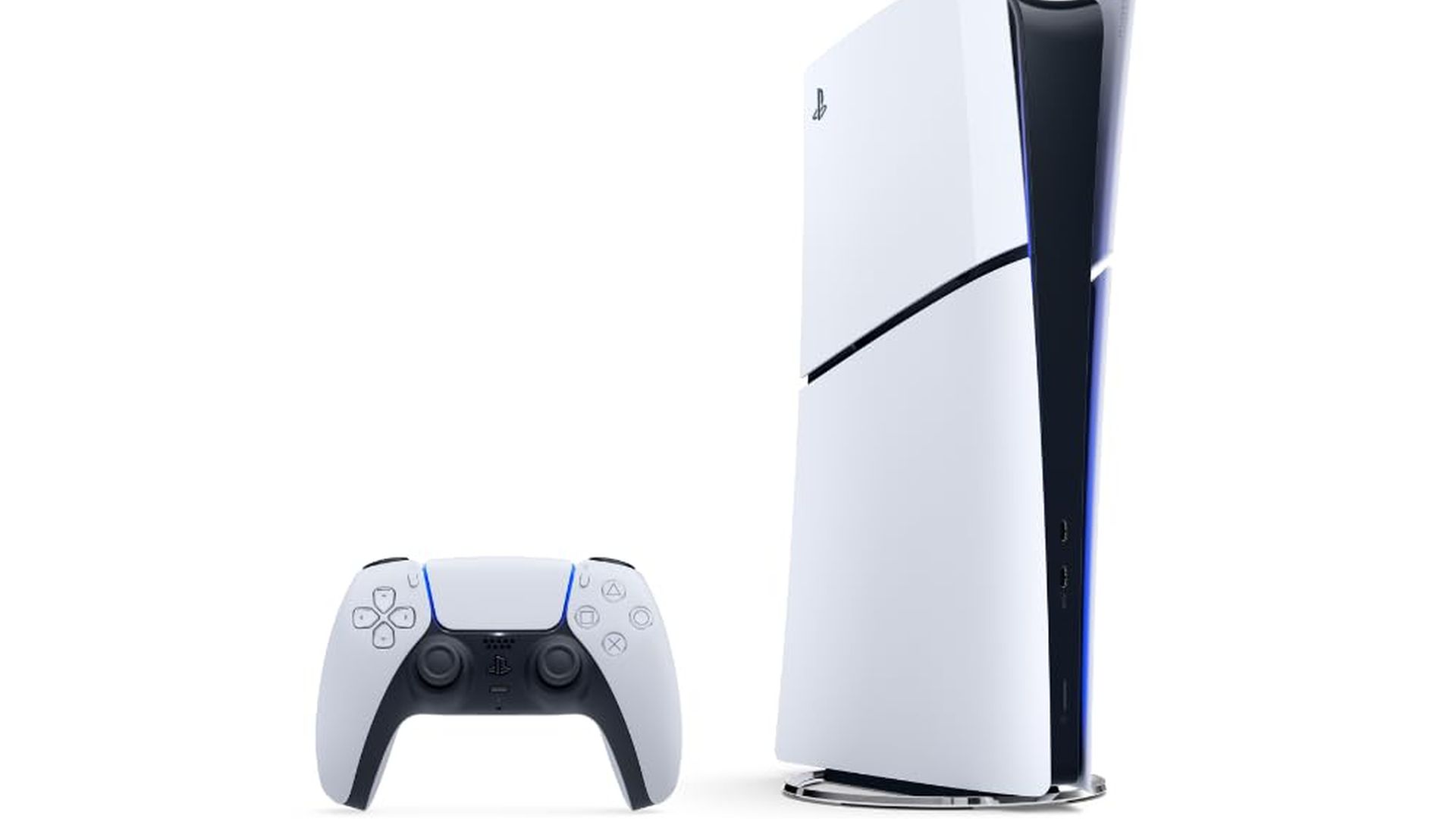
Sony’s recent announcement that it will stop producing physical copies of PlayStation games from January 2028 onwards has seemingly been to the company’s financial benefit. According to Investing, Sony’s stock price rose by around 3.2 percent on the Tokyo Stock Exchange, up to ¥3,354, following its announcement. The publication has noted that this rise in stock price comes in the midst of an otherwise challenging market.
In its announcement, Sony had called it “a natural direction” for the company in an effort to adapt to recent market trends where digital game purchases have largely overshadowed purchases of physical copies. The popularity of consoles lacking a disc drive, like the PS5 Digital Edition, has also likely played a major role in this.
“This is a natural direction for Sony Interactive Entertainment to adapt to consumer trends as the general preference for digital media significantly outpaces physical discs,” explained Sony. “This transition will enable us to align more closely with how most of our community prefers to access and play games today.”
Sony is also likely to have engaged in quite a few discussions with Take-Two Interactive – parent company of Grand Theft Auto 6 developer Rockstar Games – leading up to the title’s November 19th release. It is set to ship with the complete lack of any disc included in its physical copies. Rather, the game will only be available either digitally or through redeemable codes.
Ampere’s Piers Harding-Rolls believes that this announcement also gives us a long-term look at Sony’s next-gen console plans. In a blog post, he discussed how the lack of a disc drive will help the company reduce manufacturing costs for the PS6. However, for people who own physical copies and PS4 and PS5 discs, he expects Sony to sell separate disc drives as add-ons.
“Sony will be looking for all the ways it can reduce the cost of its next-gen console, and this is an easy win,” he wrote. “It’s possible that an add-on disc drive could be made available to play older PS4 and PS5 games on disc. Removing the drive will upset some gamers that don’t want to pay for an add-on disc drive (if available) and that want to access their game collections on disc. It may be too impractical or too complex, but some process of transferral for older physical media to a digital license could alleviate some of these issues.”
The move, according to Harding-Rolls, will also play a big role in reducing the costs paid by game publishers whenever they want to release a title. With PlayStation handling the production of discs and the cases they are shipped in, the analyst has noted that these costs are often bundled in along with other licensing costs paid by publishers.
“These costs are normally bundled into a single charge,” Harding-Rolls explained. “Under this model, publishers have a significant amount of financial risk in terms of paying for production and the royalty fee before any payments are received for sales into retailers.”
“Removing the costs associated with the production of physical media reduces publishers’ exposure to this inventory risk but also enables them to potentially realise better margins on sales of games through retail.”