





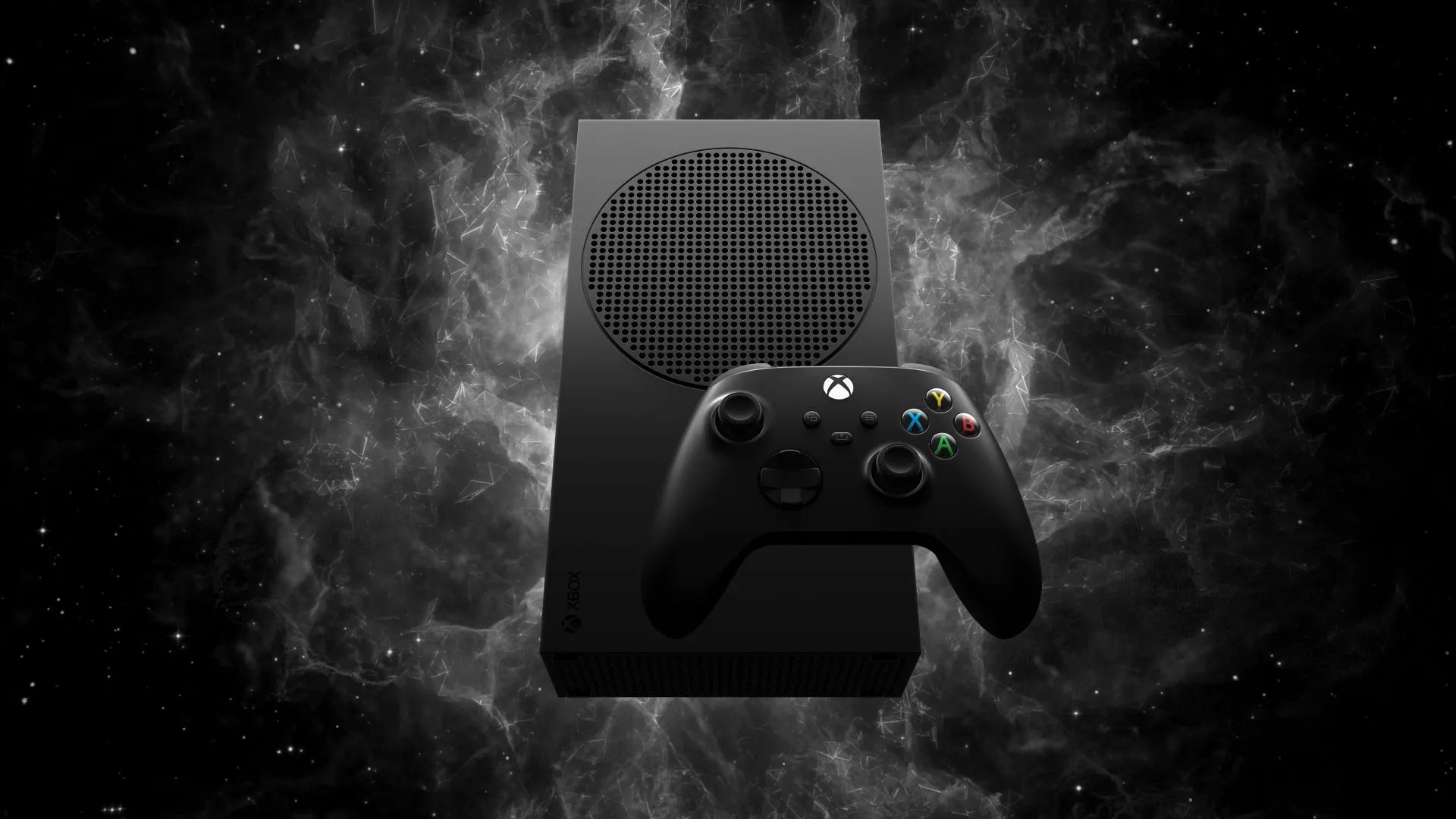
While all hardware manufacturers are facing the heat due to global component shortages, Xbox is seemingly being hit harder than many. According to Windows Central’s Jez Corden, despite price hikes, the company is still selling Xbox Series X/S consoles at a loss of around $150.
Corden’s source also noted that Xbox will continue to lose money on each console sold even after the planned price hikes from August 2026 onwards come into effect. The report has also noted that this might be the first time in gaming history where a console generation has gotten more expensive with the passage of time.
The fact that Xbox Series X/S consoles will continue to lose money might throw a wrench into the company’s pricing plans for its next-gen outing, Project Helix. While rumors have indicated that it will be an “open” platform that will allow users to download games from sources other than Microsoft itself, this also means that its price will be appropriately high, since Microsoft can no longer rely on revenue from game sales.
Corden has noted that the same reason also led to the Xbox Ally handheld gaming PC being priced at $999.99, since Asus doesn’t have any ability to sell games through its own digital storefront. This means that the margins on the hardware have to remain strong. Microsoft could be forced to make a similar move with Project Helix if plans to keep it an open platform continue.
Further, an internal document from Xbox has indicated that 75 percent of Xbox Ally users also have a Game Pass Ultimate or PC Game Pass subscription. While great for the service, this also casts a shadow on the fact that the users aren’t really buying games from Xbox itself. Rather, the document notes that the Xbox PC ecosystem was only tapped into by Xbox Ally users if they also owned an Xbox console. The attach rate for Xbox Ally users without an Xbox console was only 2 percent, which indicates that platforms like Steam remain the dominant way for even handheld users to buy and play games.
Interestingly, Xbox’s chief strategist, Matthew Ball, had spoken about how the company had to reevaluate “what the console model can look like” when it comes to the future of Project Helix. While reaffirming that the company is committed to shipping its next-gen console, Ball went on to say that the company is also looking at ways to “make sure it is affordable, to make sure that it’s flexible.”
“We are working hard to rethink what the console model can look like, not in an exclusionary way, but in an additive way, so that as we take a look at this crisis, which may have acute effects for 2-2.5 years.”
“We are working very hard to figure out the best way to navigate it or a way that works for everyone, that does not ask too much from players, but also doesn’t detract from the other investments that we need to make as a company,” he continued. “We also have tens of millions of people who we ask to spend $500 which is still an incredible sum of money. Those people that we asked to buy a console years ago; we still have an obligation to them to meet their expectations and to have them feel rewarded for which platform they chose.”
Little is currently known about Project Helix, but rumors have indicated that it might be priced at over $1,000 thanks to its high bill of materials (BOM) cost as well as its open nature. The same also seems to be happening to Sony’s PlayStation 6.