






Marvel Tōkon: Fighting Souls is finally here, and even if the PC version is a rigmarole-and-a-half right now, it’s proving to be extremely fun. The anime aesthetic and extensive single-player modes, including All-Star Arena and Episode Mode, will keep Marvel fans busy, and you can likely get by with the most rudimentary understanding of the mechanics and what the face buttons do.
However, if you’re looking to compete and excel online or delve deeper into the systems while slowly mastering each character – maybe to complete all those combo challenges – it can take some time. Fortunately, we have a few tips that should get you going and igniting the battlefield in no time, starting with the most obvious…
Find the Most Comfortable Fighter
This is fighting game 101, and it’s a no-brainer in Fighting Souls. Each character may have a basic combo you can pull off, but fully maximizing their potential means leaning into their Unique Skill and weaving their abilities into combos. And on that note: You don’t always have to lean into the meta. If Magik or Blade isn’t working for you but Spider-Man is, take the time to give the web-crawler a chance (especially with how balanced the majority of the roster is outside of the absolute top picks). Ease-of-use rating is one thing – find your comfort pick above all.
Learn the Match-ups
Marvel Tōkon is intriguing because its 4v4 format allows for focusing on a single character. After all, the entire team shares one Vital Gauge, so why not avoid tagging altogether? Besides missing out on combo extensions, a higher Skill Gauge, and more Assemble uses, you’re also kneecapping yourself. Not every character is ideal for every situation. So while mastering one character is ideal, you should branch out into other styles to counter any potential opponent.
Unlock More Teammates ASAP
Every match starts with two characters – one point and one assist. You’ll want to unlock the others ASAP for another reason beyond those stated above: It slightly increases the Vital Gauge. This may not seem like a lot, but it can be the difference between victory and defeat…or needing a few more hits to defeat an opponent if they have their full team.
How to Gain More Teammates (Besides Wall Breaking)
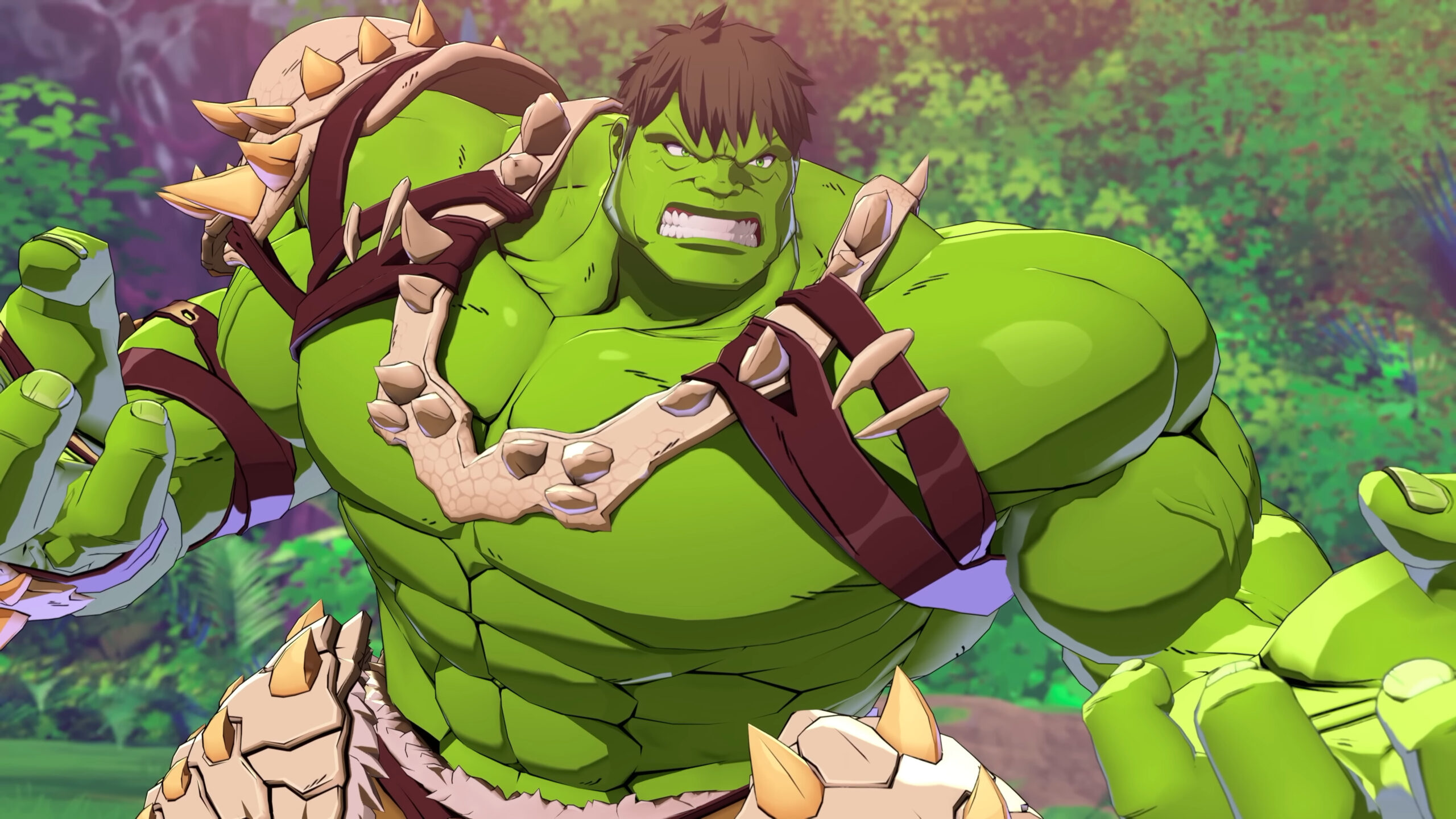
Speaking of which, you don’t need to wall break and initiate a stage transition to unlock a new teammate (though it’s encouraged for the potential wake-up on a recovering opponent). They can also join in on successful wall splats, where an opponent slams against the boundary of that section. You could also throw a round since that automatically adds an ally, though it’s meant to be more of a consolation than anything else.
Recoverable Health
Your Vital Gauge doesn’t just consist of the orange or blue health bar up top, or the red portion that’s consumed when a combo ends. There’s also recoverable health, aka the grey bar, which activates upon taking damage from skills and Super Skills, though there are other exceptions. As long as you don’t take any direct damage, it will slowly recover. Deadpool’s entire gimmick also revolves around this, so it’s best to get acquainted with grey health sooner or later.
Mix Up Link Combos
Link Combos are pretty easy to pull off – simply mash the Light, Medium or Heavy buttons in succession. Of course, that can get predictable, so you’ll want to start mixing things up by hitting Light into Medium into Heavy or some combination of the same (though there are some restrictions). And if that’s not enough, try using different directional inputs to catch an opponent low or with an overhead.
Easy Launches and Follow-ups
Mastering aerial combos will put you on the fast lane to success, but how do you even launch an opponent? Besides using an assist, press down and Heavy attack after a Light, Medium, and Heavy combo. Then hold the Medium attack button to automatically jump into the air and continue the combo.
When to Assemble
Assemble has such a wide variety of uses, whether it’s tagging to another character after their assist, or extending a combo from the same. You could also use Assemble Smash since that’s a great way to initiate wall breaks, not to mention the different counters which we’ll get into later. Just make sure to remember the different assists available and which corresponds to what direction.
Quick Skill Button
When starting, the Quick Skill Button will become your best friend, since it allows for initiating different skills without quarter circle inputs and whatnot. It can even be used to unleash Super Skills if you have enough Skill Gauge. As a means to quickly learn what each character’s skills have to offer, it’s a pretty good tool. However…
Learn the Inputs
You should learn the actual inputs for these skills for one simple reason: They’ll deal more damage than those unleashed by the Quick Skill button. It really is that straightforward and is just as important as unlocking your entire team, even if it can be tougher to nail.
Master the Counters (and the Counter-Counter)
We’ve talked about the Assemble Counter in the past and how it’s an incredible tool for counter-attacking against an enemy, especially given its long window. However, it’s important to note that you’ll be leaving yourself wide open if they don’t hit you in that time frame, exposing both you and a partner to heavy punishment. The same goes for a Crossover if the opponent uses a Reflect, but it’s much more fatal if they time it perfectly for a Perfect Reflect since this will disable Assembles for several seconds.
Unique Assists
Besides Aerial and Shooter Assists for their anti-air and ranged capabilities, you should get comfortable with each character’s Assault Assist. Initiated by pressing back and the Assist button, it activates their unique skill, which can have various benefits (like Doctor Doom’s laser keeping an opponent grounded). This is one area where experimentation is really required, so find the right one that fits your playstyle.
Tagging
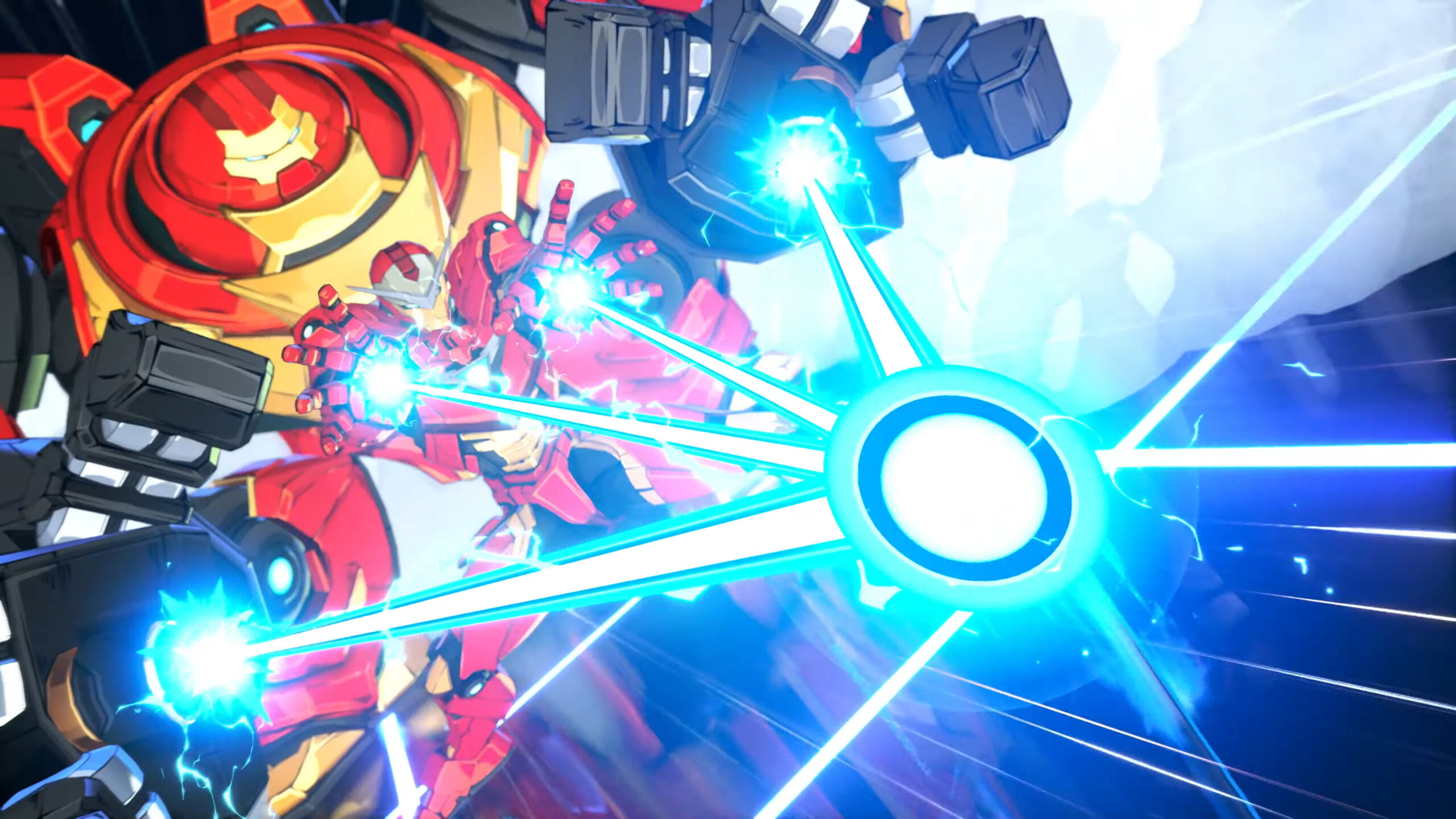
If calling an assist and then swapping to them feels awkward, good news – there’s a dedicated button for raw-tagging. The problem is that doing so on the ground or even in mid-air will leave both characters vulnerable (though the recovery time for the latter is quicker). Always attack first and then tag, since you’ll get enough time to initiate a follow-up with the tagged character.
Play the Corner
Playing the corner is another core tenet of fighting games, and that’s especially the case here. Beyond bringing in more teammates, wall splats afford more opportunities to keep whaling on an opponent with little opportunity for them to fight back. Even if you leave them to fall, it can make for a strong wake-up, allowing for even more punishment.
Avoid Spamming the Same EX Attack Mid-Combo
Combo extension is surprisingly nuanced in Fighting Souls, as you’re encouraged to make use of aerials, EX Skills, Assembles, Super Skills, and more to keep things going. There’s just one caveat: Try not to use the same EX Skill twice in a row. If you do, the combo limit will max out (as shown by the bar beneath the number of hits turning red), thus ending it immediately. It’s not always a bad idea, especially if you want to follow up with an oki – just make sure that you’ve already planned for this.