




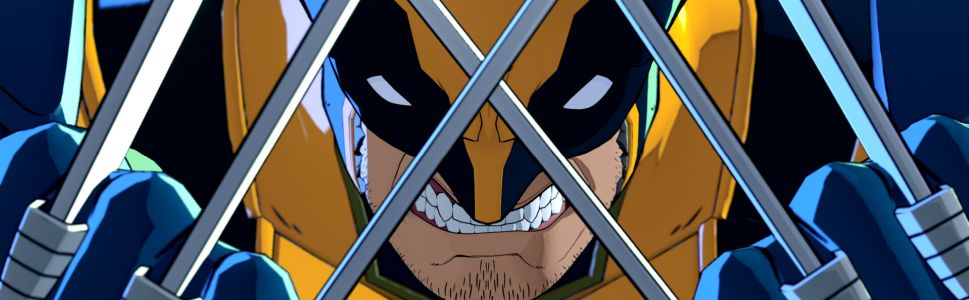
To say that Marvel Tōkon: Fighting Souls is one of the most anticipated fighting games in a long while would be an understatement. Its announcement stood out among a packed State of Play last year, as the combination of Arc System Works’ stylish, fast-paced combat met the budget of PlayStation and Marvel’s massive stable of characters in an anime-style extravaganza. Even with the 4v4 twist, it felt like a dream come true for everyone who wanted a new Marvel fighting title, including me.
Of course, enough time has passed, and it’s already beyond clear that this isn’t the same beast as those classic games. From a fundamentally different approach—with ArcSys wanting to make it the very best it could be for 10 years, and even PlayStation earmarking it as part of its live-service future—it’s come across as so much more than a 4v4 tag fighter.
"Yes, reading – much of Episode Mode is presented as a motion comic, complete with voice acting, but you can just as easily have all the panels on the page and read through them quickly if you desire."
On the one hand, it leans into the developer’s more modern take on the fighter formula, à la Guilty Gear Strive, rather than the likes of Xrd Revelator or even Dragon Ball FighterZ. On the other, it’s still pushing for a degree of brokenness reserved for those who can truly master its many systems and the timing they demand. It’s approachable for newcomers with its Link Attacks, Quick Skills and approach to tags, but boasts an incredible wealth of complexity in its Assemble mechanic and combos. And the presentation remains as gorgeous and bombastic as the day it was revealed.
Unfortunately, my enthusiasm for Marvel Tōkon is dulled by how the PC version has ultimately turned out. There’s plenty to say about its systems and how they still require more fine-tuning, but there’s still a very fun game here for those who can get into it (or even pick up the superior PS5 version). It’s just a shame that so much of that is ruined not only by PlayStation’s usual PC shenanigans but by some baffling optimization.
The premise of Fighting Souls revolves around the Champion, a powerful intergalactic fighter who ventures to Earth to battle its mightiest, simply for the love of the game. His companion/herald, the Promoter, thus sets out to find combatants, selecting heroes, villains and oddballs alike to participate. It’s a simple premise, one that screams “Tournament arc!” from half a mile away with all the enthusiasm of a jaded anime fan, but Episode Mode handles it with surprising aplomb.
Besides the roster being broken up into five arcs, with the perfunctory battles between its members to teach you the mechanics, there are some pretty compelling stories to be had. Seeing Robbie Reyes’ struggle to control the Ghost Rider, crossing paths with the troubled histories of Blade, and Deadpool, before taking on other iconic characters made for some fun reading. Yes, reading – much of Episode Mode is presented as a motion comic, complete with voice acting, but you can just as easily have all the panels on the page and read through them quickly if you desire.
"There’s so much depth to this roster, and discovering all the ways that different assists work, or how to call them into lengthen combos, is very fun, even if it can take a while to get used to the exact button timing."
Granted, there are some well-worn stories, like the Avengers fighting among themselves before getting on the same page like they always do, but it’s still backed by solid writing. The fights are still very straightforward – the occasional missions pop up, like performing a Link Attack combo that ends in a Super Skill or calling in different assists, but don’t expect any branching paths like the earlier BlazBlue games. Still, for a title that’s building from decades of Marvel lore while simultaneously keeping it contained enough for newer fans to get into – and offering some genuinely gorgeous illustrations, with each episode featuring a different comic book artist – Tōkon’s story mode is beyond acceptable.
It’s also a great way to ease into the many systems that the game has to offer (even if you’ve already completed the whole Start-Up Battle exercise). While marketed as a 4v4 tag fighter, Tōkon has also been described as a 1v1, with each side having up to three supports you can call in or tag to.
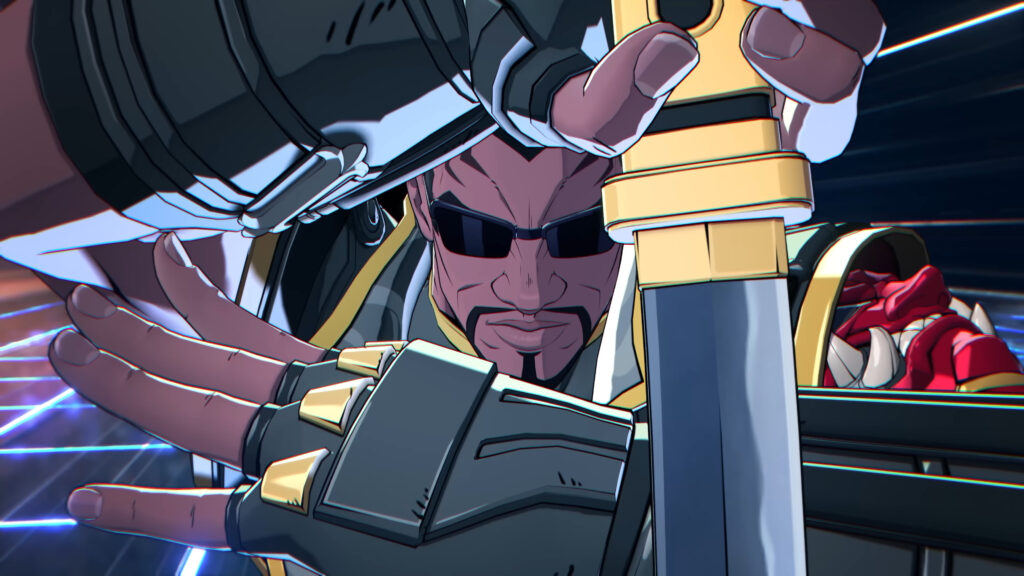
Of course, you can raw tag to anyone in your line-up at any time, but this approach allows maining a single fighter, though you’re probably going to want two to shore up any weaknesses. And if nothing else, ArcSys shines when creating characters with distinct playstyles. I started with Blade, whose unique skill, Heart Stopper, throws a tracking stake that he can teleport to and combo off of while empowering the next Skill. Activating his Muramasa Blade achieves the same effect for the next two Skills. That doesn’t account for his various weapons, including a Glaive that hits multiple times and returns, allowing you to catch an opponent by surprise.
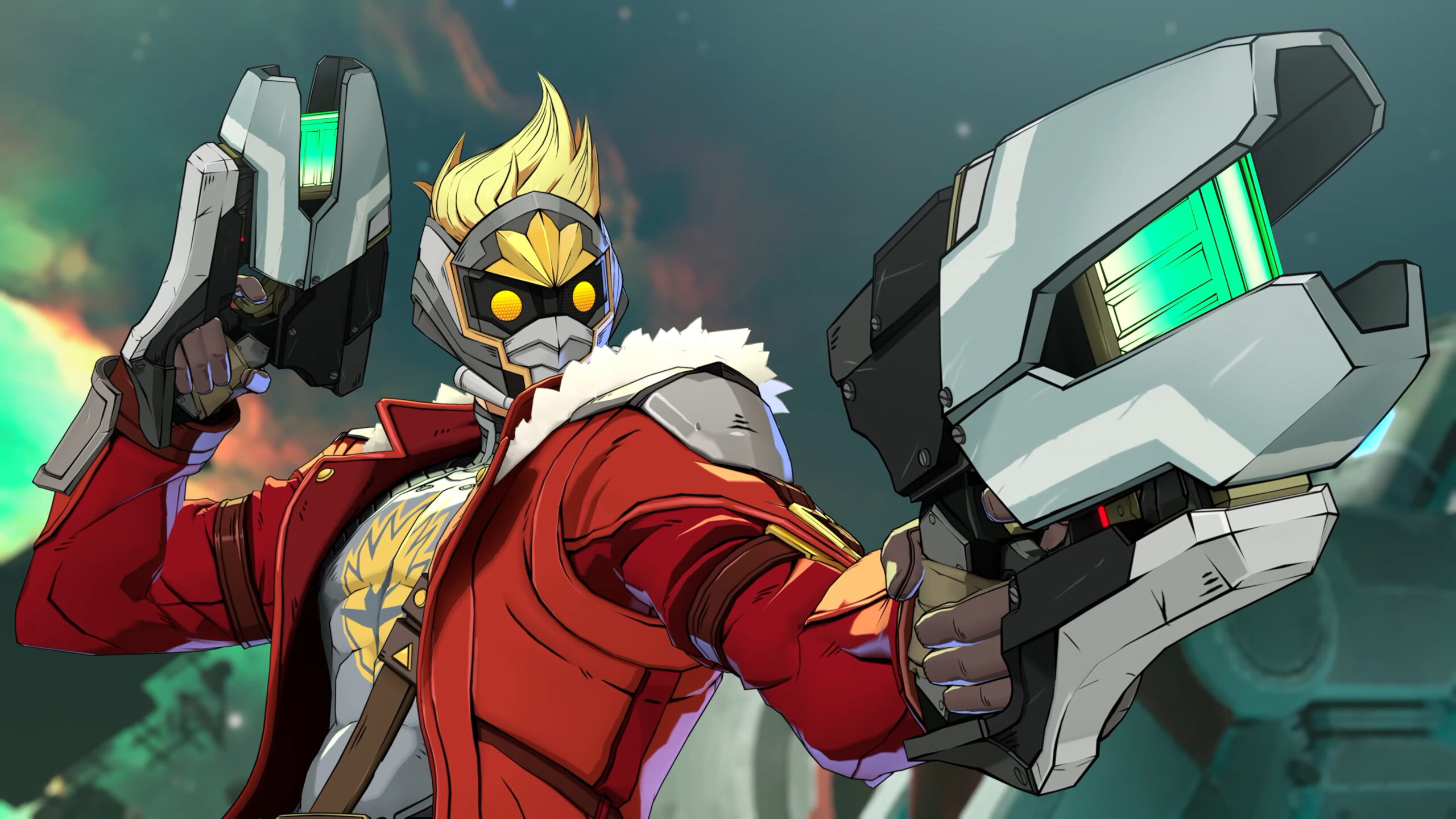
But then there’s Black Panther, who possesses incredible agility, lunging at opponents within a moment’s notice, especially after certain Skills, resulting in all kinds of interesting follow-ups. There’s so much depth to this roster, and discovering all the ways that different assists work, or how to call them into lengthen combos, is very fun, even if it can take a while to get used to the exact button timing.
"And that’s where Tōkon ultimately stumbles. Rollback can go as high as 8 frames, which translates into an awful experience, especially in a game like this where precise timing enables your best combos."
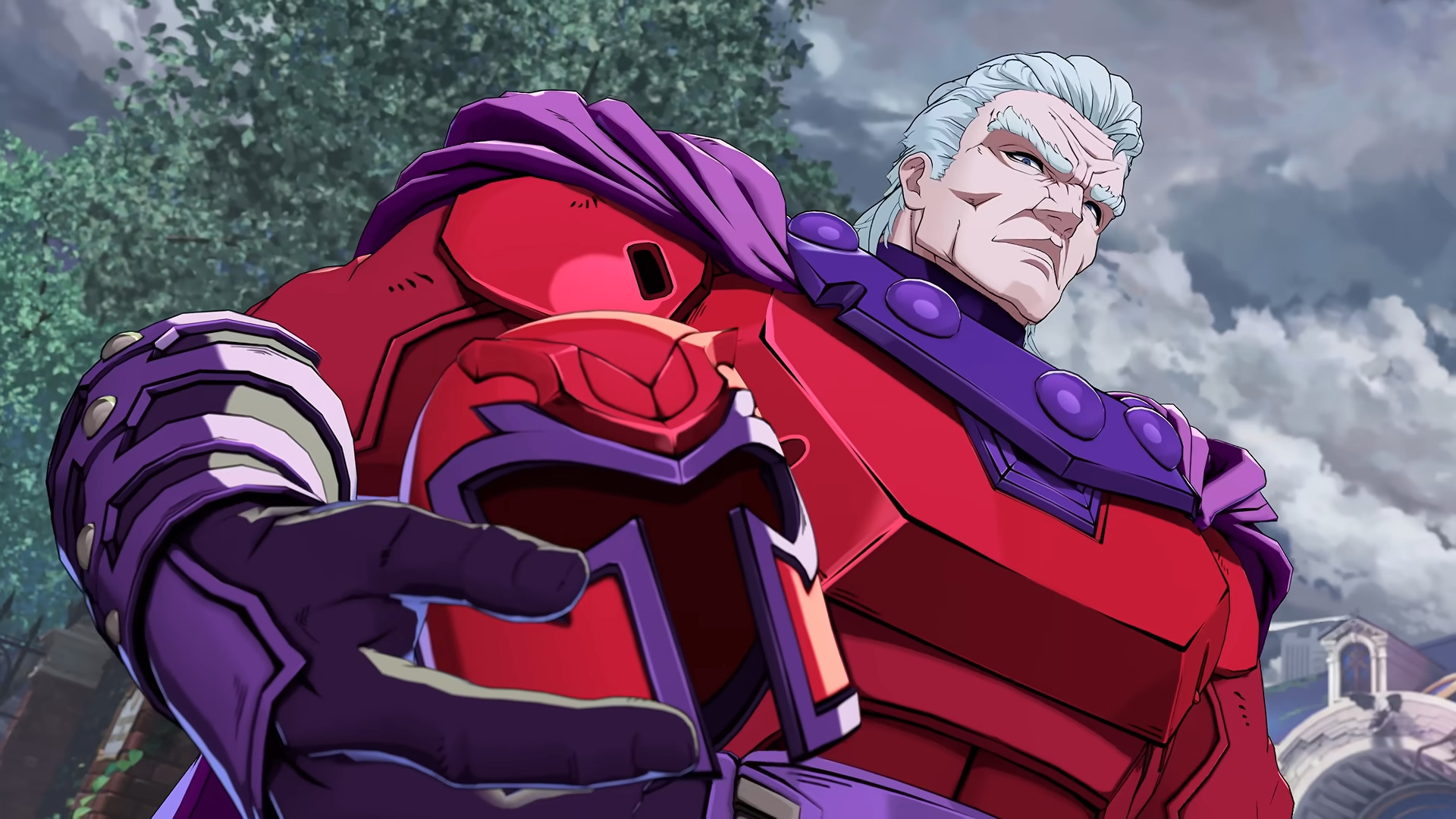
That also goes for mastering other mechanics, like Assemble Counter and Crossover, though I do wish there was a counter to Crossover Reflect, which the opponent can perform to counter your counter. When executed perfectly, it can disable your Assemble meter, leaving you at a disadvantage, and there’s no counterplay against it. The solution is probably to make it more difficult to perform, but I wouldn’t mind an endless stream of counters until one side one-ups the other.
Besides Episode Mode, there are other single-player offerings like Training and Combo Trials, which feature numerous options to fine-tune and master the fundamentals before really cutting your teeth. There’s also Survival, where you fight through 100 levels, complete with boss battles. There isn’t a traditional Arcade Mode per se – instead, you can indulge in All-Star Arena, which consists of “courses” to fight through. This one has branching paths and allows mixing and matching characters into whatever team you’d like. It’s serviceable, all said and done, but I yearned for both the simpler days and something more.
Then there’s Arcadia Rumble, perhaps the weakest offering of the bunch. It’s a party-style arena brawl where you acquire buffs before using them in combat against other players over subsequent rounds. The start-and-stop nature of it all, combined with the floaty nature of the brawling, made for some tedious gameplay. You can also play this online, or engage in the various mini-games within the battle lobby, but online battles remain the core appeal.
And that’s where Tōkon ultimately stumbles. Rollback can go as high as 8 frames, which translates into an awful experience, especially in a game like this where precise timing enables your best combos. It happens regardless of your PC’s performance, even if you’re experiencing a smooth 60 FPS offline at 1440p on High settings with DLSS set to Quality on a modest set-up (like my own).
"Time will tell how PlayStation capitalizes on it, but if it’s serious about the game’s long-term health, Tōkon could go down in history as a legendary fighter."
Granted, it’s all down to your opponent, and things aren’t always terrible, but it happens enough to mar the entire experience. Furthermore, there’s the optimization. I’m not always playing a game that makes my setup sound like a jet engine set to take off, but when I am, it’s Marvel Tōkon. It occurs online and offline due to high CPU utilization; whether it’s because of all the PlayStation processes in the background or just poor optimization, it needs more work.
Those may seem like minor caveats, but they’re conducive to the long-term health of any fighting game, especially one like this that needs a healthy community across both platforms to survive. Because as fun as the single-player modes can be, they lack longevity – the real meat is and always will be going online to test your skills. The few battles I have experienced without any issues were incredibly fun back-and-forth affairs. Needless to say, I want more but without all the hang-ups.
ArcSys may have already missed its opportunity to impress with the PC version at launch, but it’s still early days. Marvel Tōkon: Fighting Souls already has a lot going for it, whether it’s the gameplay or presentation, and it’s an easy recommendation for a wide array of fans, even if they’re not typically into fighters. Obviously, the overall responsiveness will be a work in progress, but it’s a very fun game out of the gate with a pretty well-balanced roster. Time will tell how PlayStation capitalizes on it, but if it’s serious about the game’s long-term health, Tōkon could go down in history as a legendary fighter. For now, however, it’ll have to settle for being a plucky upstart, which is more than its pedigree should have allowed.
This game was reviewed on PC.
Anime-style character design and presentation meshes beautifully with established Marvel lore, especially in Episode Mode. Deep roster, each with their own intriguing playstyle. Easy to get into but Assemble system enables a surprising amount of depth. Extensive solo content.
Online play is a mess, especially against other PC players, which makes the already challenging timing on combos that much more finicky. Episode Mode's structure can feel repetitive. Some modes like Arcadia Rumble feel tedious and unenjoyable.