






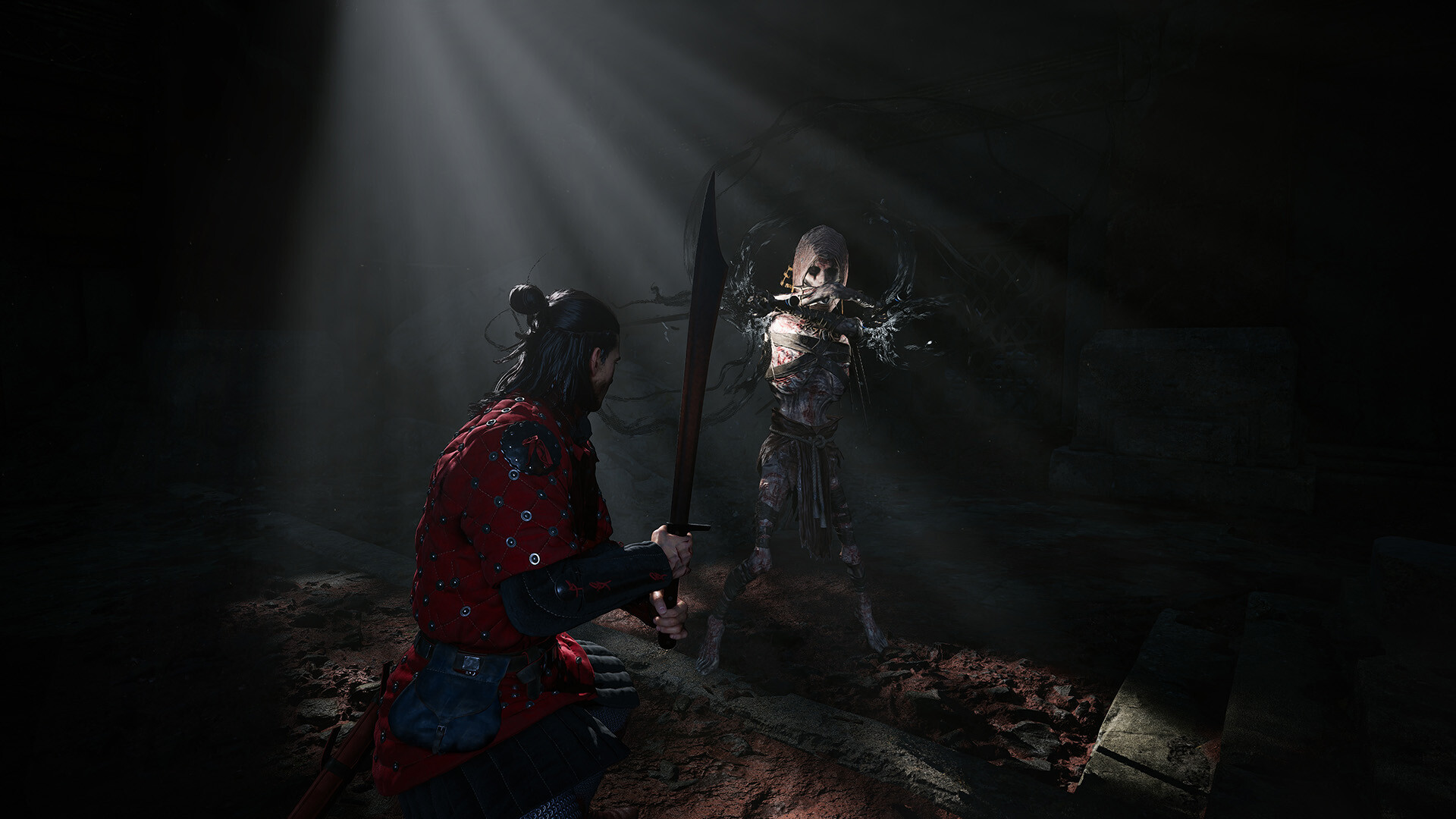
Initially, one look at The Blood of Dawnwalker’s combat brought back memories of Kingdom Come: Deliverance. The way that Coen must match the direction of incoming strikes to parry them, channeling good ol’ Henry of Skalitz, even if The Witcher 3’s bones are still plainly visible.
While you could automate the blocking, you risk missing out on what Konrad Tomaszkiewicz believes is an experience akin to Guitar Hero. As absurd as that sounds, he told Edge Magazine (via GamesRadar) that it’s a bit similar, “where at first you cannot hit the right button, and later you’re playing these really difficult songs.”
“When you start to get used to the directional combat, it’s so cool that we believe most people will play this way.” Of course, as daunting as it initially seems, there are indicators to help guide the player. Those who seek a greater challenge can always turn them off, paying closer attention to an enemy and parrying accordingly.
You could also cut loose with vampiric abilities, including a scream that can stun enemies for precious seconds. They’re not available during the daytime, naturally, but that’s where Hexes come in, evening the odds. That is, if you decide to spec into them. After all, even upgrading your abilities will advance the time, reducing the amount available for Coen to save his family.
Even with so much revealed for The Blood of Dawnwalker, it’s interesting to see how much Rebel Wolves hasn’t showcased. The open-world action RPG launches on September 3rd for Xbox Series X/S, PS5, and PC. Check out 15 major differences between it and The Witcher 3: Wild Hunt.