






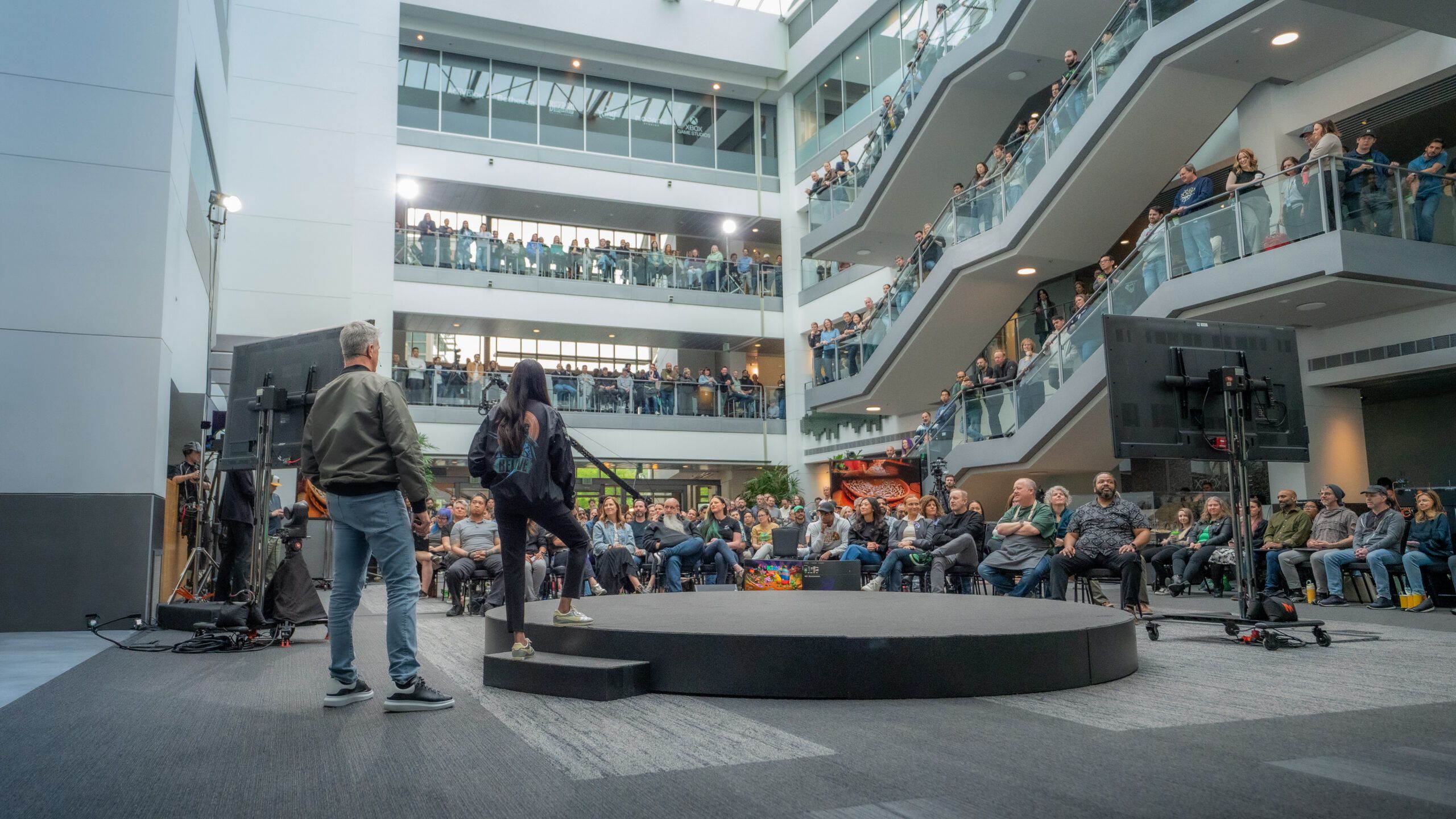
Following major layoffs that resulted in almost 2,000 job cuts, it looks like Xbox is starting to slowly become healthier as a business. According to Jez Corden of Windows Central, Xbox CEO Asha Sharma spoke about the company during an internal town hall meeting where she said that “we’ve started to return to growth” for first-party offerings.
“We’re making the right decisions to reinvest in the business after an all-time low; we’ve started to return to growth, more than 2 to 3 times what we were, and we expect that to continue.” When talking about “an all-time low”, Sharma is referring to the price hikes for Game Pass from last year, which resulted in many simply opting to discontinue their subscriptions.
The same time period also involved a decline in how many hours players were spending with Xbox games, as well as the revenue brought in with new releases and services. For now, the company is seemingly on more stable ground. She referred to the previous Game Pass strategy as sending Xbox into “freefall” when it came to commercial performance.
Looking forward, Sharma spoke about the “strong” starts seen by games like Gears of War: E-Day, Minecraft Dungeons 2, and even the beta for World of Warcraft Forever, which have contributed to a 30 percent improvement in sentiment about the company. The most recent of these releases is Gears of War: E-Day, which came to PC and Xbox Series X/S this week.
When it comes to other platforms, Sharma discussed how the company hopes to grow its Windows audience through Xbox PC and Battle.net. The latter is seeing an expansion with third-party games coming in, like The Witcher 3: Wild Hunt – Remastered. “We will do it the right way for those communities”, she said on the subject, while also noting that Blizzard’s Battle.net is almost on par with Steam when it comes to user retention.
When it comes to third-party support, Sharma spoke about making things easier for publishers by streamlining APIs so that releasing a game on Xbox across console and PC becomes simpler. The same processes will also seemingly help bring games to Xbox’s next-generation console, Project Helix.
While the layoffs signalled to some that Microsoft is looking at how it could turn Xbox into a lean business that could be attractive to potential buyers, Sharma recently said that “Xbox is not for sale.”
“We will do whatever it takes to set the company up for success, and we will look at the right partnerships, the right operating model and everything needed to achieve that,” she explained in an interview. However, she also acknowledged that it won’t be a quick and easy process for Xbox to return to becoming healthy. “We’ve got a long way to go with Microsoft, and we’re going to take the long-term view.”
When Sharma first announced layoffs affecting around 1,600 employees, she said that the company’s profit margins were “3-10x lower than comparable platform and publishing businesses” across the gaming industry. She also noted that Xbox had spread itself too thin with acquisitions and other projects that didn’t end up offering the return on investment that the company was looking for.