





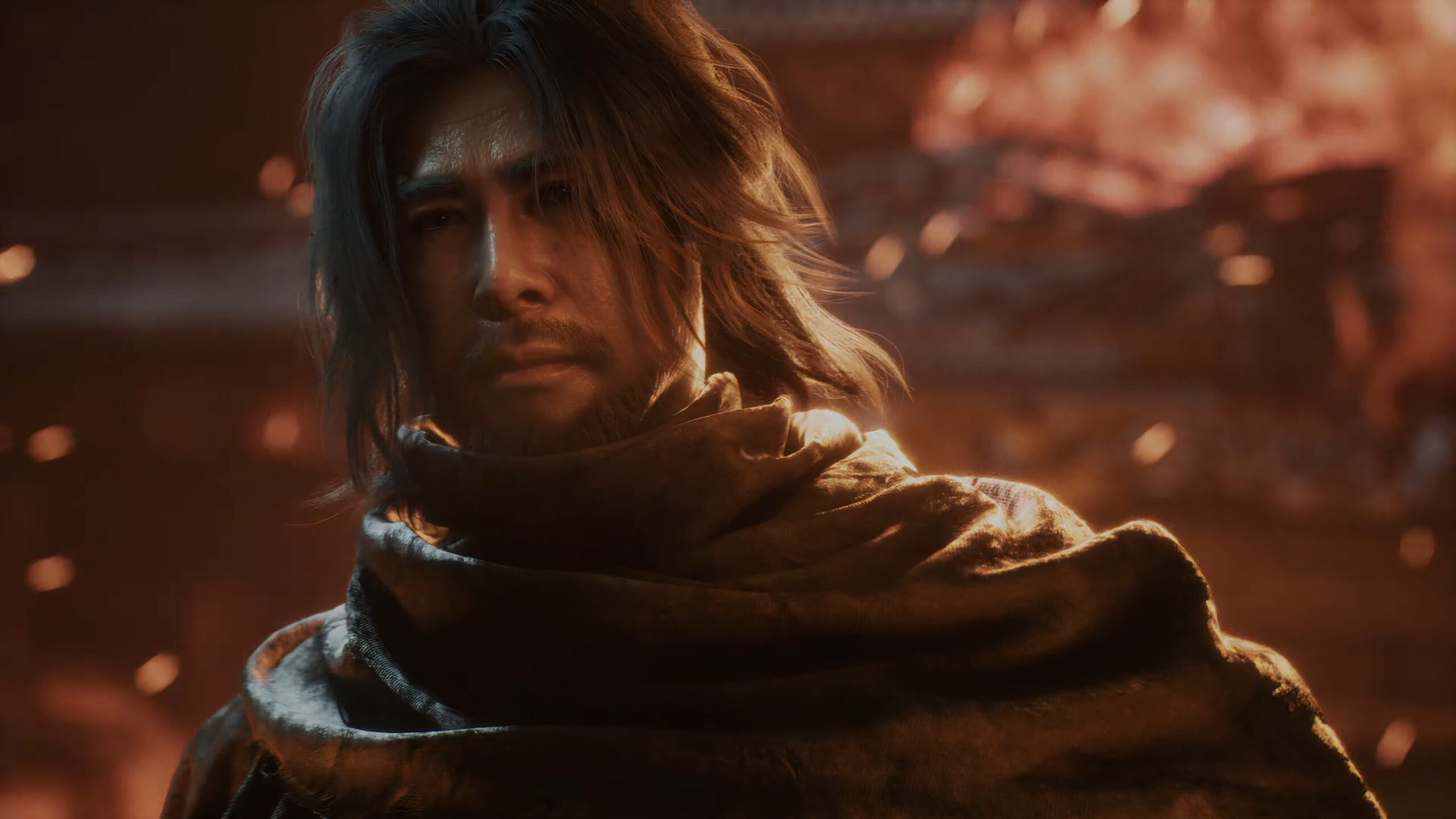
Celebrating the recent release of Phantom Blade Zero, game director “Soulfang” Liang has published a message to fans. In this message, Liang spoke about the years spent by studio S-Game developing Phantom Blade Zero and what that “extraordinary journey” entailed. It all began when he made an indie game as a hobby project through RPG Maker.
Interestingly, this project, dubbed Rainblood: Town of Death, also had a few similarities with Phantom Blade Zero, like being rooted in traditional Chinese wuxia with some elements of parallel worlds and body modification, among other things. The title would go on to spawn a pair of sequels, with the last one, Rainblood Chronicles: Mirage, coming out in 2013 and serving as a prequel to the entire franchise.
“Back then, I had no idea where my life or career would lead. Making games had simply been a source of comfort while I studied abroad, but before I knew it, it had become one of the most important parts of my life.” This eventually led to Phantom Blade Zero first getting unveiled during a PlayStation showcase, where Liang admitted that “we probably looked like a new studio being a little too bold, putting an unfinished game out for the whole world to judge.”
With the team deciding to put its other projects on hold to focus purely on the development of Phantom Blade Zero, Liang described all of the hard work involved, including thousands of hours spent recording motion capture footage, and several visits to towns and mountain villages across China to scan them in 3D.
Further in the message, Liang spoke about the various discussions he had with players during various events where hands-on demos for Phantom Blade Zero were available. The feedback from this was invaluable for the team, and even resulted in new features being developed, like the option to “adjust the tone of clashing blades, so you can tailor how each clash sounds and feels.” Similarly, on PS5, Phantom Blade Zero even got a variety of controller layouts, while PC got more flexible remapping options.
Taking a longer view of developing Phantom Blade Zero, Liang notes that “technology and experience have become the baseline”, and he himself finds it more important to think about the mindset of those developing games. “Beyond skill and experience, is there also a certain madness, a certain obsession? Somewhere along the way, as we kept making a wuxia game, it started to feel like we ourselves were becoming the kind of people you would find in a wuxia story.”
Ultimately, Liang celebrates the team’s accomplishments in developing Phantom Blade Zero, shouting out various members of the studio like art director Michael Chang, who “single-handedly drew the concept art for every character and most of our environments”, and music director Caisheng Bo.
Phantom Blade Zero’s release has been met with almost immediate success, with analysts estimating that the title has almost hit the 1 million sales mark across PC and PS5. Players also seem to be quite happy with the title, with its user reviews on Steam averaging out at “Very Positive” thanks to 86 percent of the English reviews being positive.
For more details about Phantom Blade Zero, take a look at our review, where we gave it a score of 9 out of 10. We praised its fidelity and art direction, combo-heavy combat, unique weapon mechanics, and memorable boss fights, among other things. Our only complaints revolved around shoddy enemy AI, a slow start, and some performance issues.