





I can’t count the number of awe-inspiring moments I encountered when playing Oblivion for the first time around 2007. Shooting the arrow into the Imperial Sewer bucket and watching it tilt under the weight was jaw dropping to my younger self, and the surprises just mounted up from there. We can all think of games with revolutionary concepts that absolutely amazed and inspired us, but what about the opposite?
Well, we’re still seeing new ideas in games today, but what’s perhaps more common are promising ideas that end up flopping. Whether it’s overpromising, poor execution, or trends chasing monetization, these games prove that a great idea alone isn’t enough.
Here are 15 revolutionary gaming concepts that sounded incredible on paper but then folded like a deck of cards with its execution.
Exploring A Full-Sized Galaxy – Starfield
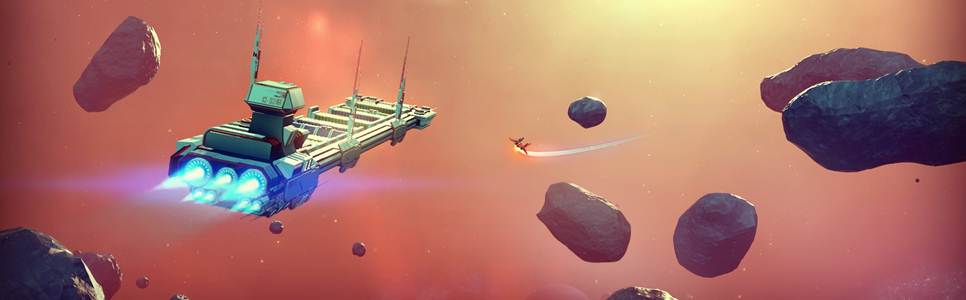
Everything that Todd Howard presented to us about the then-upcoming open-galaxy Bethesda RPG seemed too good to be true. Skyrim in space was enough to get most of us in pre-order lines, but the promises went much further than that. There’s the hundreds of explorable solar systems with thousands of planets, sure, but the customizable space ship and ability to fly your ship and recruit crew members excited me the most. Unfortunately, when the game released, it was apparent that Todd’s promises really were too good to be true. There were practically no memorable characters, nearly every planet was devoid of interesting content, and ship navigation was frustrating and under-utilized. The game sold well enough due to initial hype, but a 97% player drop-off after six months and the broader damage to Bethesda’s reputation paint a clear picture of Starfield’s shortcomings..
Pirate Live Service – Skull and Bones
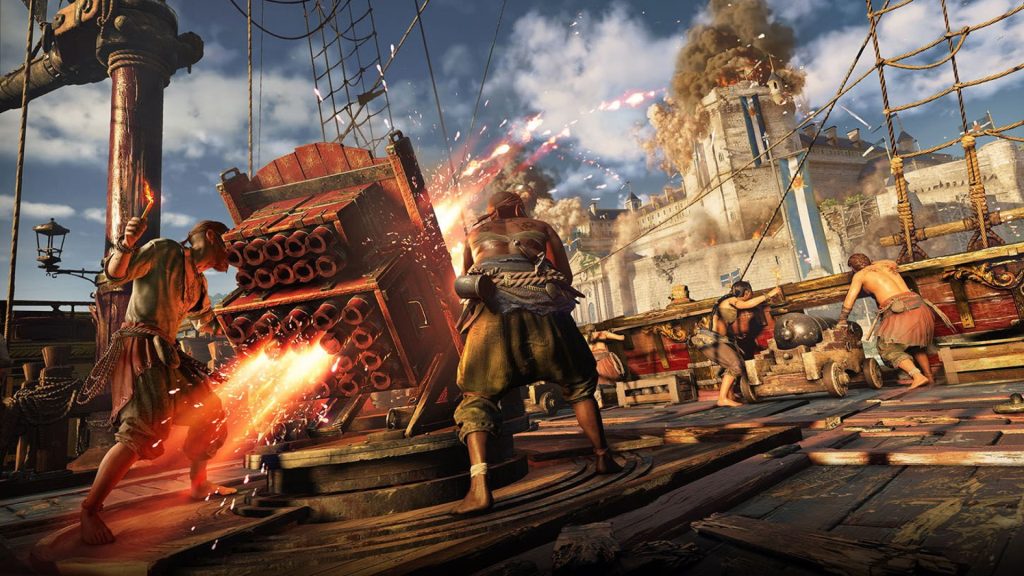
Just about everybody wanted a large open-seas pirate game where filled to the brim with tense ship battles and sea shanties, but the developer somehow managed to screw that up completely. The biggest failing with Skull and Bones was that it was a $70 title with a predatory live service model tacked on top of that. You had to grind for what seemed like hundreds of hours obtaining the ‘pieces of eight’ just to upgrade your hard-sought pirate ship equipment. The whole experience was just so bogged down in incremental monetization that even the few fans that were left had a hard time sticking with it for long. So much for the first ever AAAA game.
Hunters vs Hunted Multiplayer – Evolve
I wasn’t exactly the biggest Left 4 Dead fan in the world and even I was pretty excited about Evolve in the 2010s. Evolve pitted a group of hunters against a horrific Godzilla-like human-controlled opponent, differentiating Valve’s team-based shooter with an asynchronized matchup. The big distinction with Evolve is the colossal prey is just one human-controlled creature, resulting in a lopsided 4 versus 1 scenario. Matches were novel and hilariously fun … for the first couple hours. Running around as a hulking horror monster in search of four helpless little humans makes it hard to frown. But the novelty wore off pretty quick. The balance issues, very thin post-game offerings, and hefty price tag for what was essentially a repetitive game loop contributed to Evolve devolving to the husk it is today.
Open World Parkour – Forspoken
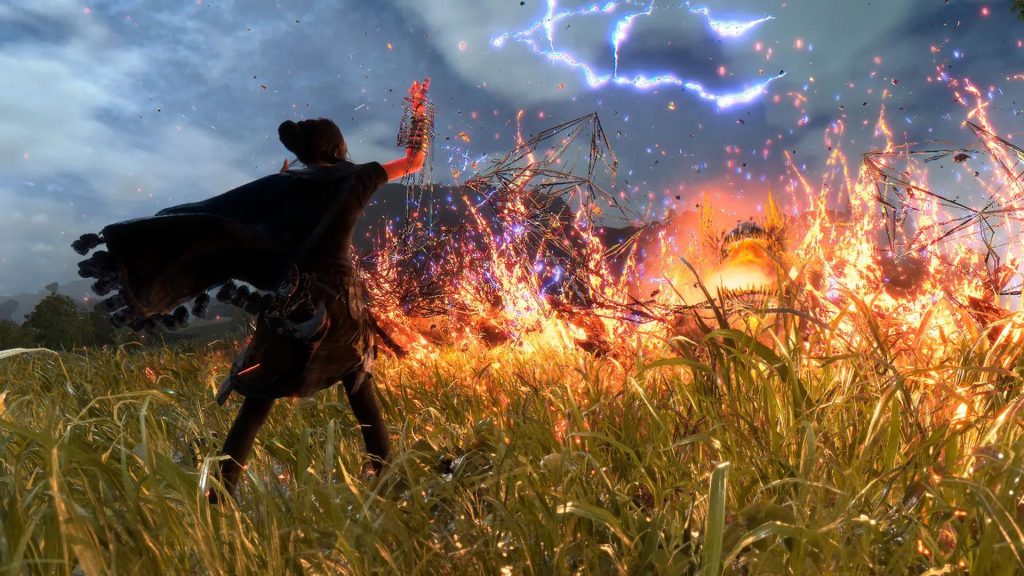
I remember being pretty hyped for Forspoken right before its demo released. It was made by the Final Fantasy XV studio using their in-house engine, all of which I’d been a big fan of. And the open-world parkouring just looked absolutely mesmerizing to top it off. Well, after playing the demo, I found myself frankly appalled. The best thing I can say about Forspoken is that it looks nice and has a serviceable soundtrack. The dialogue is perhaps the biggest culprit behind it’s failure, but the repetitive enemy encounters and throwaway isekai story don’t help sell the game either.
Your Choices (Don’t) Change Everything – Mass Effect 3
A lot of gamers want a good choice-driven narrative and plenty of games have attempted it over the years. Yet, carrying over those choices for a meaningful endgame remains an elusive accomplishment for many titles. Mass Effect 3 is perhaps the best example of this. Mass Effect 2 was noteworthy for carrying over key decisions made from the first game and branching those off into even more scenarios into the third game. Yet, Mass Effect 3 ended on a whimper with originally only three endings. The worst part about the narrow endgame funnel was just how paper-thin the different endings were. It’s like all the player-driven choices throughout the three games came to the same uninspired conclusion, albeit with a different color tacked on.
Mandatory Crafting – Metal Gear Survive, Fallout 4
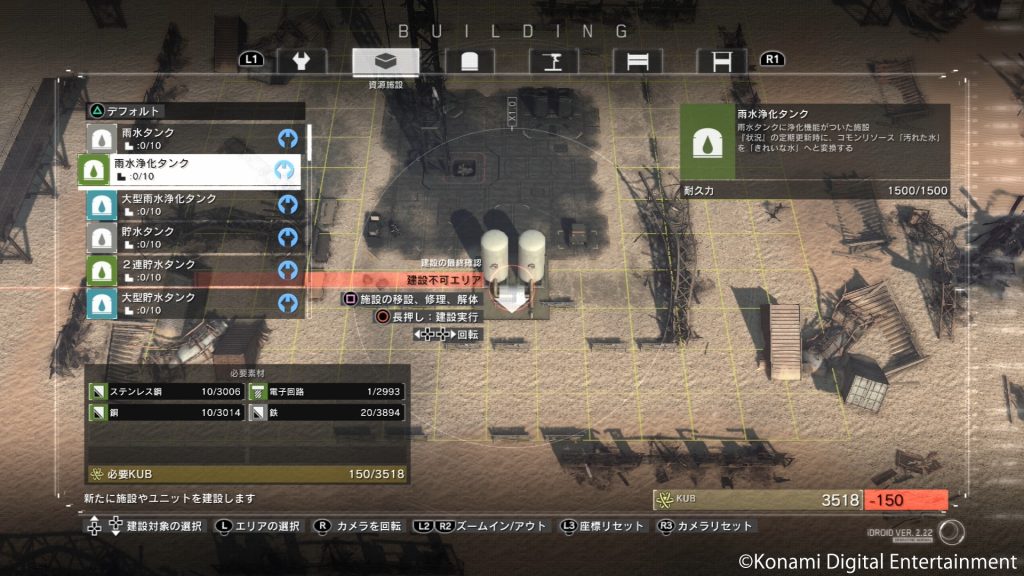
I’m all for looting abandoned houses in open-world games, especially when paired with a robust crafting system. Yet, some games rely a bit too much on crafting to advance the main story. In the case of Fallout 4, crafting is absolutely essential no matter what you plan on doing in the game. The game’s big draw, other than being another Fallout, was its settlement creation system. Yet, to properly build up your settlement, you had to grind for loot and craft like crazy. And then on the extreme spectrum, you have Metal Gear Survive, which made crafting the core gameplay loop, and by extension, the only loop the game had to offer. Crafting is a fun aspect of gameplay, but there’s such a thing as too much of it, as is the case with these two games.
Detective Vision – Batman: Arkham Series, The Last of Us Part 1
Batman: Arkham Asylum made many of us fall in love with detective vision gameplay. Turning on the infrared goggles and snooping the environment for clues just added so much to the setting and gameplay. But then, it seemed like every other game out there started implementing it, and the novelty didn’t quite stick. The Witcher 3 had Geralt investigating hundreds of trails using his witcher sense, but fans generally like it there because of his fun banter. But the later Arkham games and The Last of Us Part 1 tended to overuse detective vision to the point where it slowed down not just the gameplay but story as well.
Procedural “Infinite Story” Generation – No Man’s Sky Launch, Daggerfall

I remember how skeptical a majority of gamers were when Sean Murray talked up his infinite galaxy filled with procedural generation in No Man’s Sky. The game released and, well, a majority of gamers felt correct in their initial skepticism. No Man Sky’s launch lacked the touted multiplayer component that it now enjoys, but it also felt barren and void of meaningful content, something procedural generation often struggles with. An earlier example of empty fields of infinite procedural generated content was Bethesda’s Daggerfall. Daggerfall boasts a staggering 62,000 to 80,000 square miles of traversable land with well over 10,000 towns. It was simply the largest game at the time of release, dwarfing most modern open-worlds today. Yet, the dungeon design was … well, absent. And the actual content within such mammoth maps were repetitive and shallow, even if other systems were novel and fun at the time.
Memory Editing — Remember Me
On paper, Remember Me’s mix of third-person action combat, platforming, and puzzles in the form of Memory Remixing should’ve been the beginning of a new hit franchise. DontNod had the budget and concept for a longlasting series and rewriting people’s past to influence an outcome in the plot was the big selling point. And you don’t just rewrite memories in cutscenes, you actively re-arrange objects called glitches in the subject’s mind like a puzzle. It’s a truly terrifying ability, and one that would’ve rivaled the Animus from Assassin’s Creed if it was used more fully in the game. In the end, Remember Me was known for its subpar combat encounters and underbaked story. If only Remember Me could’ve remembered the Memory Remix mechanic enough for gamers to remember it.
Possess Enemies On-the-Fly — Mindjack
Who remembers the Japanese cover shooter game from the early 2010s, Mindjack? Yeah, probably not many. Besides the generic third-person shooting mechanics and forgettable sci-fi story, it had an innovative mind-hacking mechanic thrown into the mix. Being able to possess enemies and convert them to your side on-the-fly sounds pretty dang fun, until you realize the AI is awful in Mindjack. The repetitive level design and bland missions didn’t help the promising mind-jacking concept either.
Open-World Live Service Campaign — Anthem
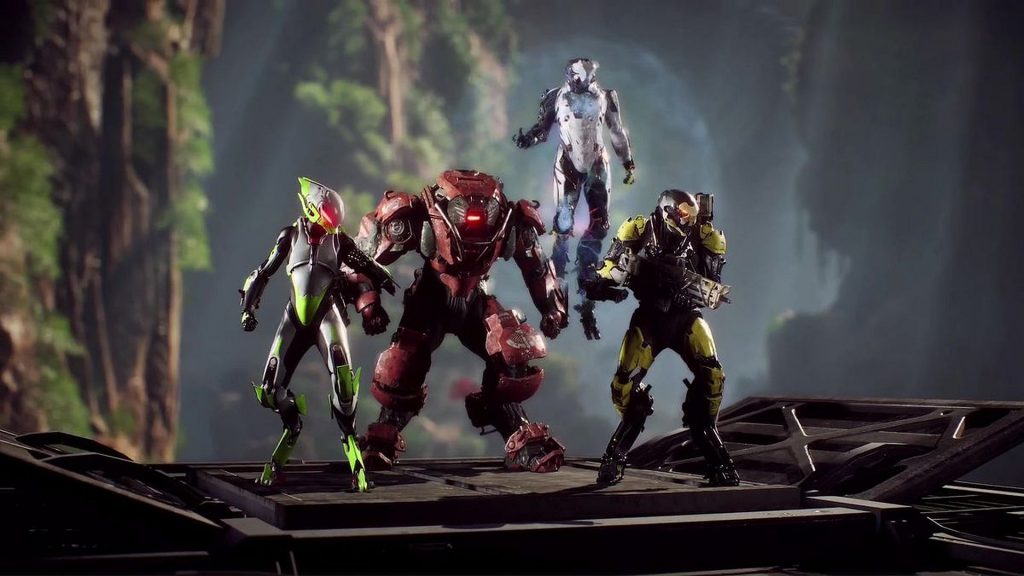
Bioware is still chugging along today even after lukewarm releases like Dragon Age The Veilguard and Mass Effect Andromeda, but Anthem was the signal that the studio just wasn’t the same anymore. Despite building a reputation for rich storytelling and immersive character interactions, EA made Bioware go the live service multiplayer route with Anthem. That decision didn’t go well with longtime fans or newcomers. The launch was plagued by glitches, bugs, and crashes galore. And the long-term looter-shooter loop didn’t do enough to keep players around. This is alll despite a genuinely fun jetpack system that allowed players to fly around with their mechanized soldier through the environment with ease. It’s a fun game to fly around in, but was a chore to actually do anything else.
Superhero Looter-Brawler – Marvel’s Avengers
Marvel’s Avengers was another game that cashed in on the live service looter band-wagon, with the advantage of having the Marvel IP tied to it. There was actually quite a bit of hype building up for Crystal Dynamics’ huge new AAA superhero game. It came out during a time of Avengers high and within a game industry that hadn’t capitalized on it yet. Needless to say, many gamers desperately wanted to pick their favorite Avenger and fight some baddies in a high quality action game. But the aggressive repetition within the mission design and lack of a post-game severely hindered what was supposed to be an ever-evolving game. If you’re going to make a game with the kind of structure of Marvel’s Avengers, at least build it around a compelling story and interesting gameplay.
AAA Episodic Storytelling – Telltale Games
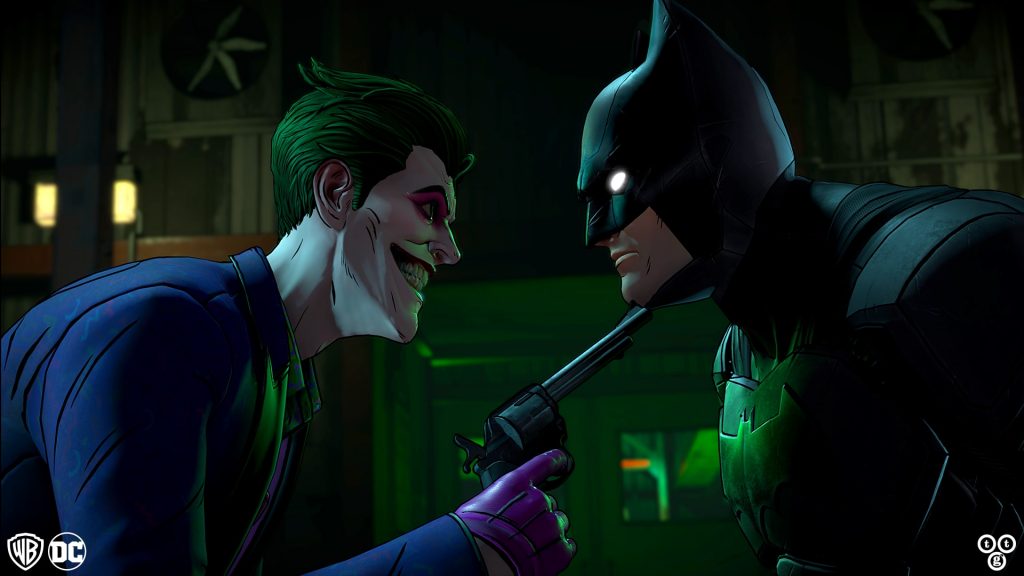
Where’s Telltale Games been, by the way? Episodic interactive game dramas just aren’t the same since Telltale’s reign in the 2010s. Telltale’s The Walking Dead fomented a revolution in the episodic potential for smaller-scale video games. But it seems that ever since Telltale’s Game of Thrones, the formula just hasn’t seen the same kind of success. The stagnant cell-shaded art style contributed to gamers just getting tired of Telltale games, but the realization that choices were largely illusory or at least highly bottlenecked also likely played a role in the genre’s decline.
Time-Manipulation Shooter — TimeShift
Everyone loves a good bullet-time Matrix moment in movies or TV, especially so when we get to control it. TimeShift leaned into the slow-motion cool factor and then cranked it up a notch with full control over time itself. Centering a first-person shooter on time manipulation abilities just seems limitless in its potential. But despite the ability to freeze time in the middle of firefights, the game just felt lackluster to play. Like Anthem, the game had one cool thing going for it: the time-bending abilities, with nothing else to compliment that. The story, while told within a cool dieselpunk setting, was awkwardly paced and surrounded by forgettable characters. And the enemies were bullet-sponges without much thought put into their encounter design. We all love a good time-bending mechanic, but TimeShift just didn’t make a good game around it.
Cloud-Powered, Fully Destructible Cities — Crackdown 3
Gamers were surprisingly delighted by the chaotic sandbox that Crackdown 2 provided and hyped up the next game beyond what it was capable to deliver. The third game executed on the sandbox action hero concept about as well as MindEye did the GTA formula (okay, maybe not quite that bad). Where the second Crackdown delivered on laughs and mindless fun, the third drilled repetitive urban landscapes and bland mission design into our tired hands. Even the advertised cloud-powered destructible environments didn’t make the final cut into the game, except for the now-dead multiplayer mode that nobody played. Crackdown 3 failed to iterate or improve on the chaotic sandbox formula that fans loved about the second one, so much so that even Terry Crews couldn’t save it.