



Too much of something is often bad. Nothing illustrates that notion better than when it became clear that Grand Theft Auto 6 wasn’t getting delayed. Finally launching in November, and anything that landed in the same month – perhaps barring the long-awaited remake of what many argue to be the best game of all time – was in danger of being dragged into its “vortex of attention,” as Twitch CEO Dan Clancy recently put it.
Thus, many publishers and developers enter panic mode, shifting their releases hither and yon, focusing on three months – August, September and October. That didn’t even count those still planning to launch this year but hadn’t officially announced a release date, like Fable and Tomb Raider: Legacy of Atlantis. Of course, we all know what happened next. Delays to next year, further shifts within these months – like Onimusha: Way of the Sword launching earlier in September or Phantom Blade Zero being delayed to late October. Maybe that was always the plan, or perhaps they came to their senses and realized that overloading any of these dates would be a recipe for disaster.
That doesn’t necessarily mean players can afford every single release within a span of weeks. And yet, even with all those warnings about “too much of something,” we still found ourselves looking forward to the deluge. Because if the industry, which is only shipping more and more titles with each passing year, has proven anything, it’s that there can’t be too many video games.
However, the past several weeks have stood out for a different reason: Delivering one of the best stretches of releases in years. While I wouldn’t go as far as calling August or September objectively the best on their own, the quality, depth and variety of these releases have also stood out above all.
In the latter half of August alone, we had The Sinking City 2, a follow-up to Frogwares’ cult-classic investigative horror but dabbling more in survival and shooting than before. Even with mixed opinions on this shift, players and critics found the overall package good and a worthy addition to the admittedly lackluster catalogue of fun games. This was followed by the Souls-like Mortal Shell 2, which also shifted away from its predecessor by introducing an open world, albeit one that eschewed scale for denser environments that rewarded exploration.
Then there was Metal Gear Solid: Master Collection Vol. 2, and quite frankly, what else needs to be said about the availability of Metal Gear Solid 4: Guns of the Patriots on modern consoles? It may not seem like that much of a big deal, but this game remained trapped on the PS3 for almost two decades. That you can now experience the complete story of Big Boss and Solid Snake on modern platforms, that too with visual improvements depending on the title, is nothing short of fantastic.
Resonance: A Plague Tale Legacy was next. A great prequel and one that delivered a compelling narrative with surprisingly competent combat and exploration, so it’s a shame it doesn’t seem to have the sales charts on fire, especially after the previous two games’ momentum.
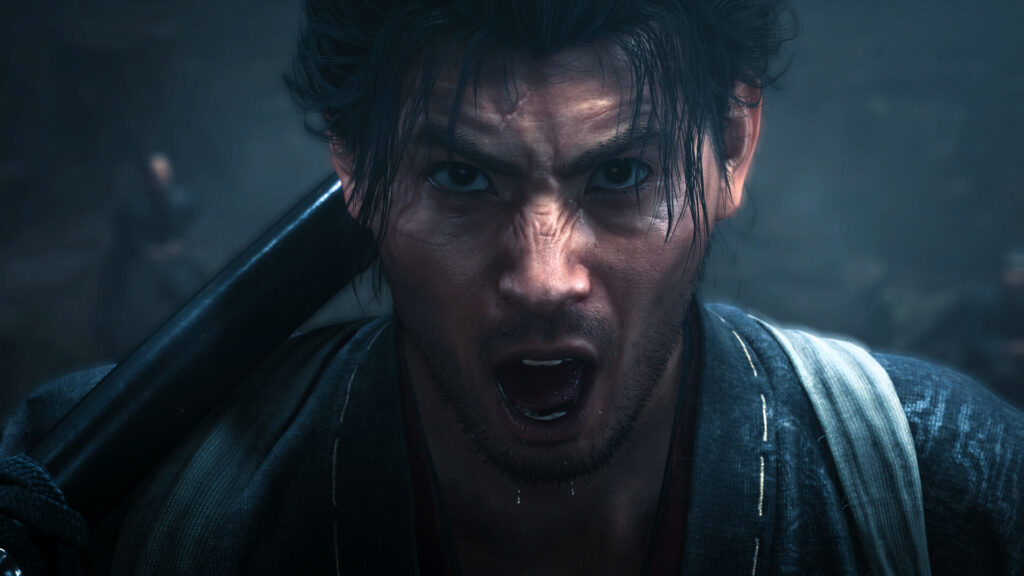
Star Wars: Zero Company fared better, quickly receiving critical praise and standing out with its player numbers on Steam. Even with the XCOM legacy to live up to – not to mention appeasing hardcore fans of The Clone Wars era – Bit Reactor pulled it off, delivering a strong narrative, meaningful characters, and some fun tactical turn-based action that somehow managed to feel fresh.
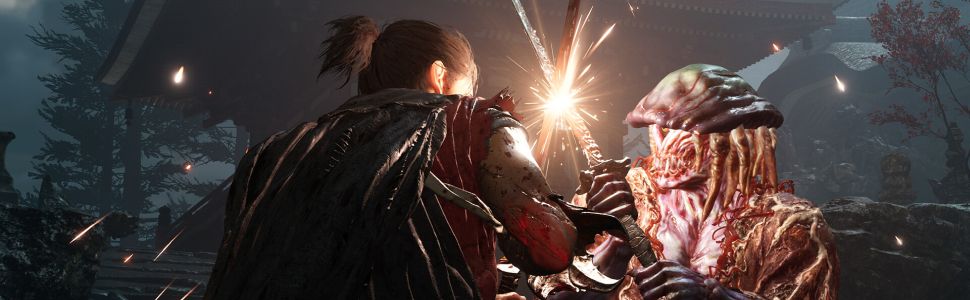
Of course, by this point, it was clear that many players were looking forward to the two heaviest hitters to kick off September – Onimusha: Way of the Sword and The Blood of Dawnwalker. Both were successful in their own right, having sold a million copies each shortly after launch, even if the only thing they really share in common is swords.
You would think the momentum would slow at some point, especially with Marvel’s Wolverine launching mid-September. But then Valheim exited early access and, surprisingly, no one, it’s still one of the best survival crafting experiences out there. Of course, Logan’s extended soliloquy followed less than a week later, and despite some flaws, it seems to have landed pretty well among PS5 players, with a 4.8 out of 5-star score on the PlayStation Store based on around 29,000 ratings.
But even with all these releases out, there was yet another surprise: Trails in the Sky 2nd Chapter. As a remake of my favorite entry in the series, and one of the finest RPGs of all time, it’s currently the highest-rated new title of 2026 on both Opencritic and Metacritic. And if a sweeping fantasy epic like this isn’t enough, there’s also Control Resonant, Remedy’s fantastic action RPG that builds on everything from the original while forging ahead in exciting new directions. Silent Hill: Townfall is the first full-length title in the series to offer a first-person perspective, and has been intriguing enough for horror fans.
And even if we’re not talking about new entries, older titles like S.T.A.L.K.E.R. 2 received a venerable shot in the arm with its 2.0 update and Cost of Hope. Many probably expected it to come and go, but it currently has an 86 OpenCritic score – not bad for an expansion, and even higher than some full games we’ve mentioned.

Now, I’m not saying that there haven’t been some disappointments – Halloween: The Game and Aliens: Fireteam Elite 2 are a few examples that come to mind. But the past several weeks have reinforced a trend that’s really defined the year as a whole: Variety is truly the spice of life, even if the selection is overwhelming. After all, if you go further back into August, there are some fantastic experiences like Big Walk and Marvel Tokon: Fighting Souls to dive into (though maybe not on PC for the latter). Then you had unorthodox efforts like Iron Nest, which simulates operating a massive gun turret all on your lonesome, or ReStory: Chill Electronics Repairs, which, as the name indicates, has you repairing older appliances. Both are rated “Overwhelmingly Positive” on Steam currently.
And this won’t stop any time soon. Nivalis Nights is a cyberpunk restaurant management title, but also lets you seamlessly explore its city and chat up dozens of fully voiced NPCs. The Witcher 3: Wild Hunt Remastered may as well be considered a new release with the sheer number of changes and overhauls, and that’s not even accounting for Ace Combat 8, Gears of War: E-Day, Star Wars: Galactic Racer, Order of the Sinking Star, and Dragon’s Dogma 2: Dark Arisen – all as different as can be.
Maybe some of them are just good rather than overwhelmingly excellent. Maybe we’ll forget about them when Grand Theft Auto 6 lands and the outside world as we know it ceases to exist for however many weeks. Regardless, 2026 is a year where there’s no shortage of tastes accounted for; where the variety of releases has matched the quality surprisingly well; and a reminder that your backlog isn’t getting any smaller anytime soon.
Even if there was sheer trepidation at the number of games to look forward to in such a short space, the past weeks have proven that there too much of a good thing may not be all that bad. And as much as there’s fear about triple-A titles dumbing things down to attract the widest audience, a boatload of other releases prove just how engaging the medium can be, regardless of budget.
Note: The views expressed in this article are those of the author and do not necessarily represent the views of, and should not be attributed to, GamingBolt as an organization.