





Former director of Bungie’s extraction shooter Marathon, Christopher Barrett, had filed a lawsuit back in December 2024, accusing the developer and Sony of wrongful termination. A year after this initial filing, a judge in Delaware dismissed Barrett’s lawsuit. According to a report by The Game Spot, the reason behind the dismissal was that Barrett had filed the lawsuit in the wrong court.
Barrett had been let go from Bungie back in August 2024, and was subsequently replaced with former director on Riot Games’ Valorant, Joe Ziegler. While Sony didn’t go into too many details about Barrett’s removal, the company did accuse him of “gross misconduct”. However, it is worth noting that Bungie itself was also in a tenuous position at the time, with pre-orders for the Destiny 2 expansion coming out back then, The Final Shape, tracking below expectations, and the studio also facing a few lay-offs.
Barrett had subsequently filed the wrongful termination lawsuit against Bungie and Sony, claiming that the companies had let him go to avoid paying him $50 million in equity that he alleges he was owed. As part of the lawsuit, Barrett was demanding $200 million from the two companies in damages, and accused the company of “textbook scapegoating”.
As for the lawsuit itself, the judge explained that the Court of Chancery cannot hear the suit because it involves monetary damages. Since the Court of Chancery is a limited court, it is primarily focused on disputes and lawsuits that revolve around equitable fixes rather than just outright money. “The case is dismissed for lack of jurisdiction,” reads the judge’s order.
“The Court of Chancery is a court of limited jurisdiction. It possesses subject matter jurisdiction only when ‘(1) one or more of the plaintiff’s claims for relief is equitable in character, (2) the plaintiff requests relief that is equitable in nature, or (3) subject matter jurisdiction is conferred by statute.’”
Interestingly, the judge’s most recent dismissal came after an order from back in October where it asked why the court should dismiss the lawsuit for a lack of jurisdiction. In that order, the court noted that only the defendants, which would be Sony and Bungie in this case, were arguing the matter on the basis of jurisdiction. Barrett himself was noted as being “happy to transfer the case to Superior Court”.
“Under Court of Chancery Rule, this court must dismiss a lawsuit when it lacks subject matter jurisdiction. This court has an independent obligation to evaluate whether subject matter jurisdiction exists,” reads the order.
As for Barrett’s next steps, he does have the choice to move his lawsuit to a court of more appropriate jurisdiction, which in this case would be the Delaware Superior Court. However, he hasn’t yet made any statements regarding the matter.
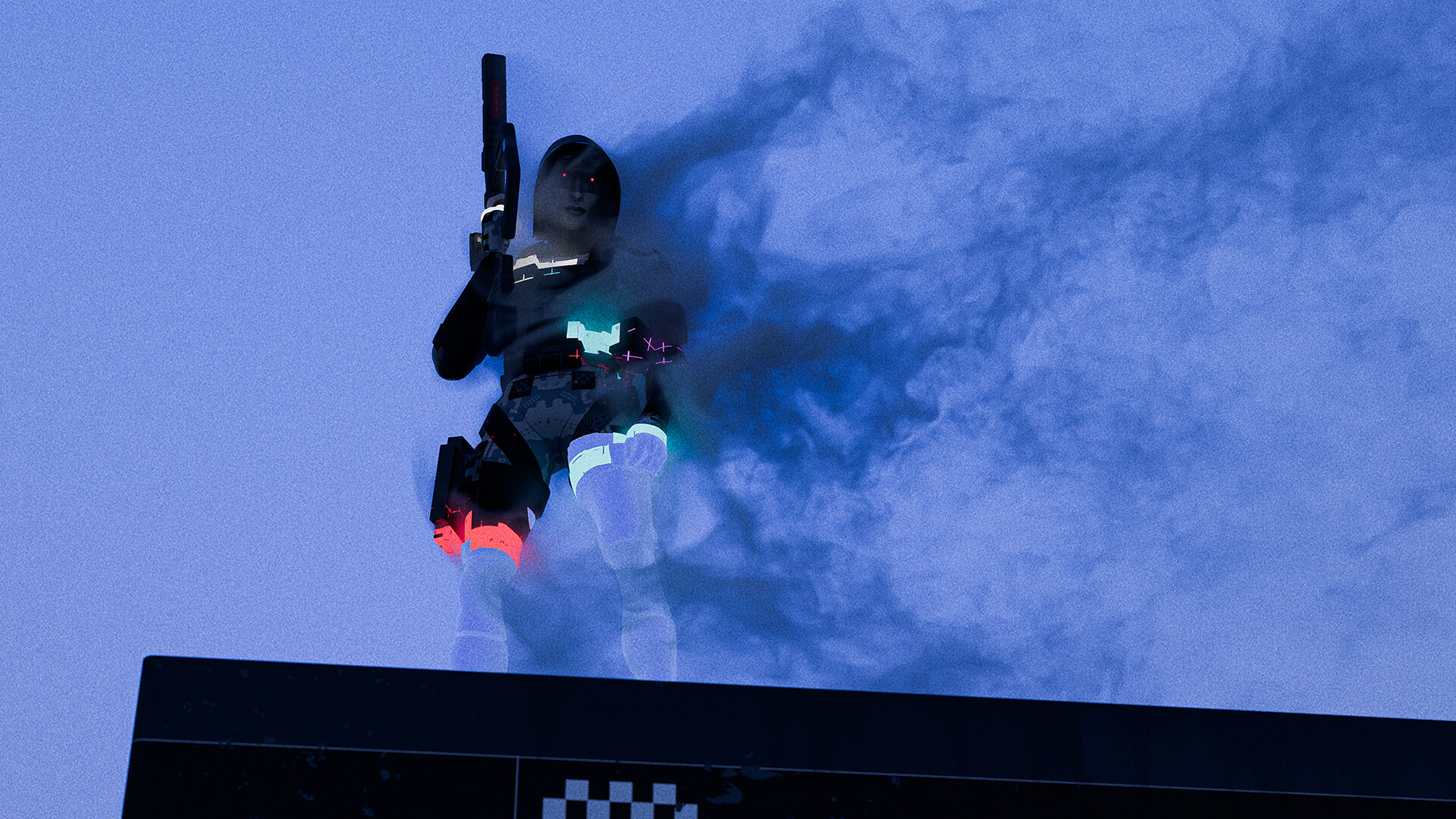
As for Marathon, Bungie has been silently developing the extraction shooter while also ensuring that not too many details are revealed before the studio is ready through the use of strict non-disclosure agreements for its various playtests. The game doesn’t yet have a release date, and is being made for PC, PS5 and Xbox Series X/S. More recently, the developer also resolved the case of some of the in-game assets having been plagiarised from an independent artist.